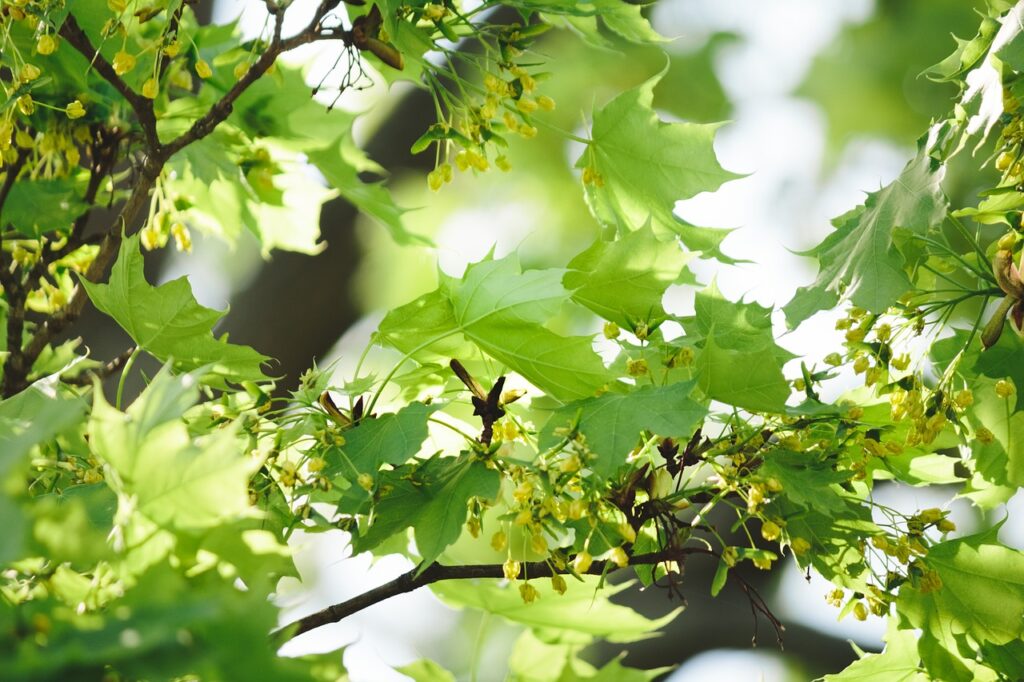
Photosynthesis happens when plants, algae and some bacteria use light energy from the sun to convert carbon dioxide and water into glucose and oxygen. For plants, the light energy is captured by chlorophyll, which gives them their green colour. …
Photosynthesis happens when plants, algae and some bacteria use light energy from the sun to convert carbon dioxide and water into glucose and oxygen. For plants, the light energy is captured by chlorophyll, which gives them their green colour. …

Ecosystem services are the various benefits that humans receive from natural ecosystems. These are provided by the multiple functions and processes performed by ecosystems that directly or indirectly benefit human well-being and the functioning of society. We can divide ecosystem …
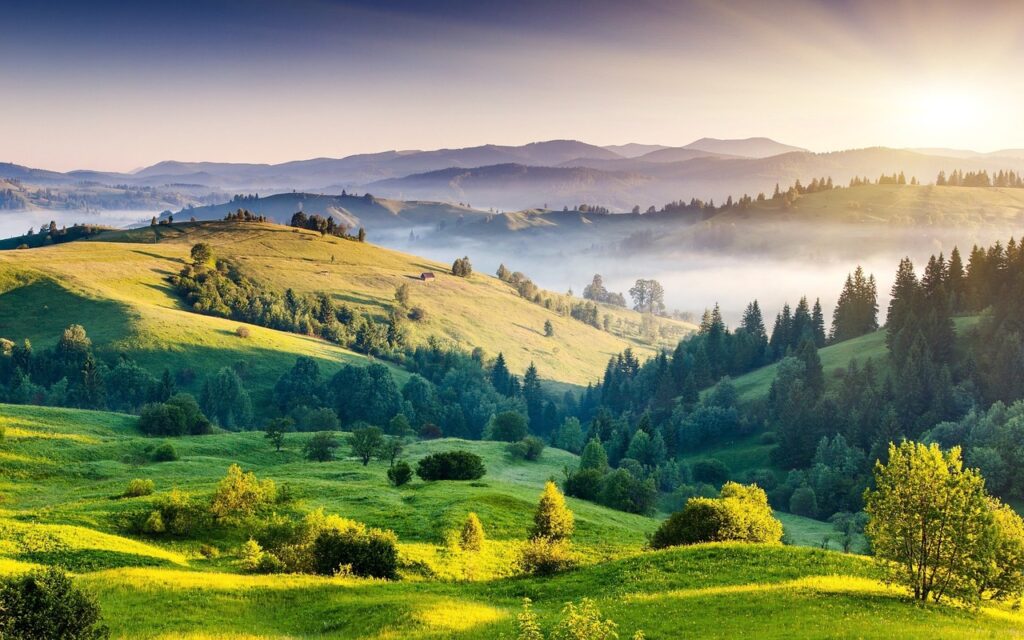
An ecosystem is a complex collection of living organisms and their surrounding physical environment, where these organisms interact with each other and the environment in different ways. It includes a specific area’s biotic (living) and abiotic (non-living) components. Ecosystems can …

Humans and other animals need oxygen to burn food in their bodies. When we eat, carbohydrates and oxygen are converted into carbon dioxide, water and energy that cells can use as fuel. This process is called cellular respiration, like reverse …

The biosphere is all the life on Earth. It includes all ecosystems and living organisms in the atmosphere, lithosphere and hydrosphere. The biosphere is a complex network of biological life that interacts and influences each other. It …
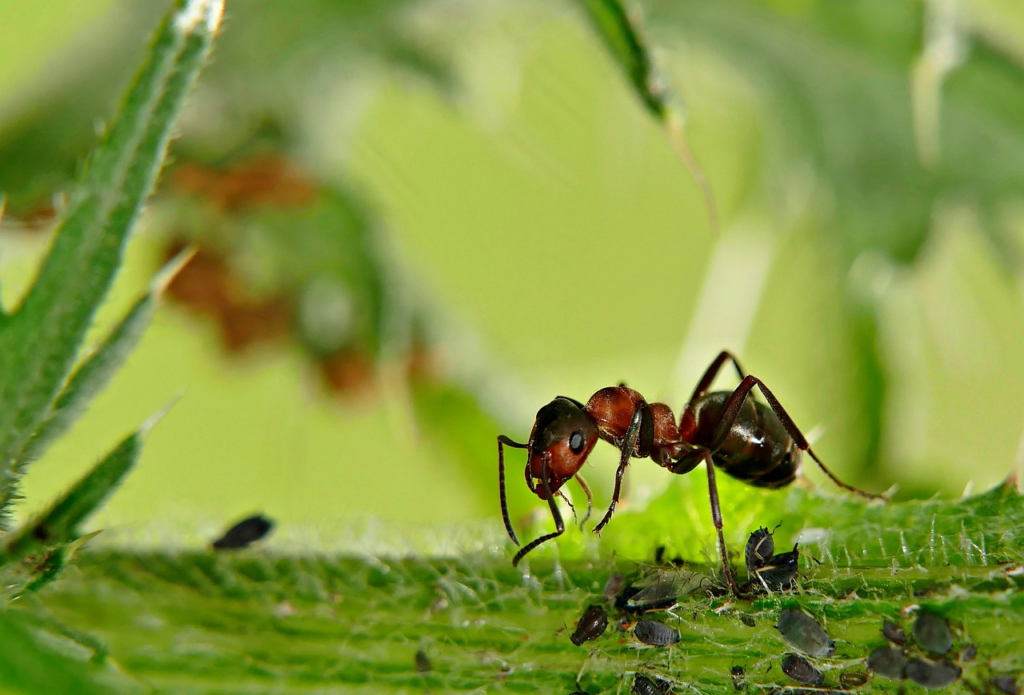
Biomass refers to the total mass of organic matter present in living organisms. This measurement is often conducted regarding dry weight, excluding water content, and may also be expressed as the quantity of carbon within an organism (1).
The amount …


