WHERE LIFE BEGINS – THE PLANT’S ROLE ON EARTH
Plants are living organisms that, with the help of sunlight, convert carbon dioxide and water into glucose (sugar) and oxygen through a process known as photosynthesis. Plants use glucose as a building block that provides energy and nutrients, allowing them to grow, just as animals and humans use food to obtain the energy they need to move, think, and live. Through this vital process, plants become nature’s primary producers of energy. They capture solar energy to fuel all food chains on Earth by nourishing herbivores, predators, and humans alike.
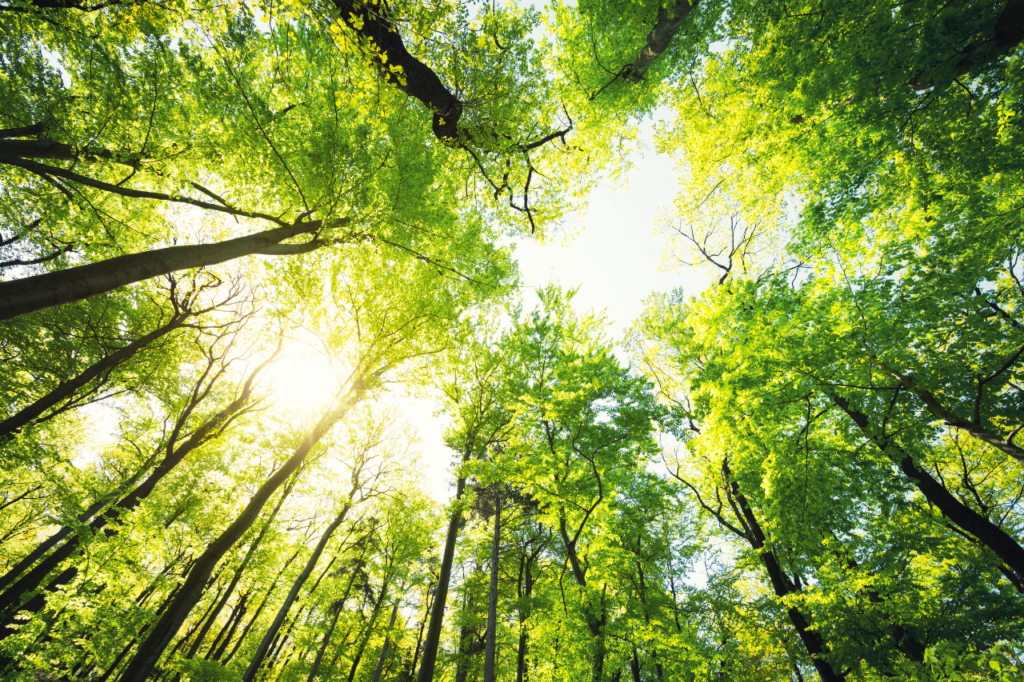
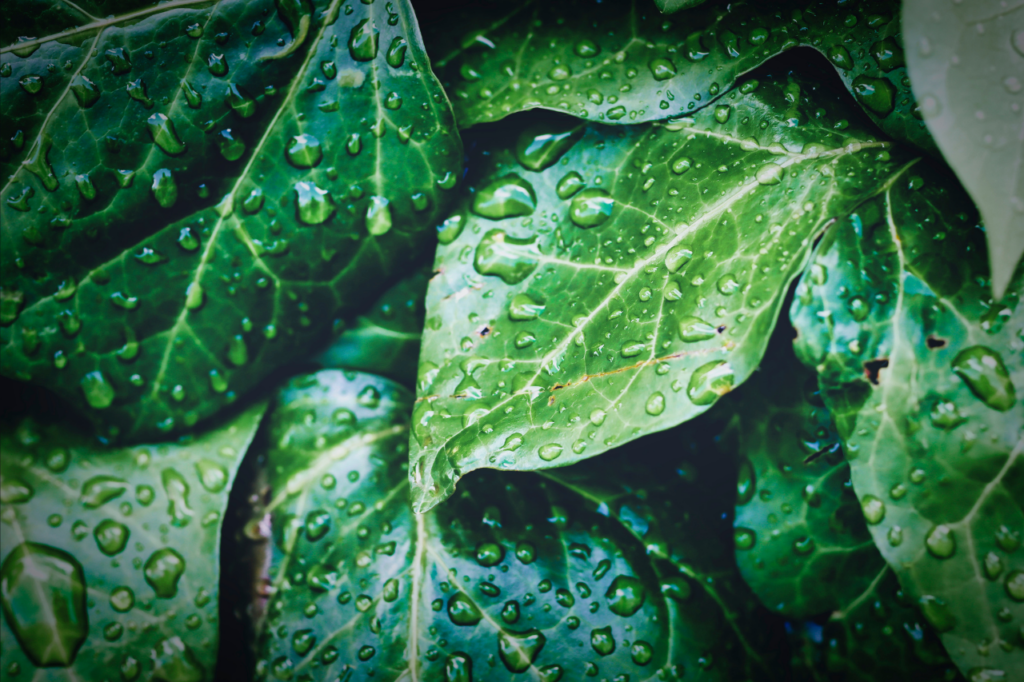
At the same time, plants produce oxygen, regulate the climate and build the biomass on which all life depends. They sequester carbon, stabilise the soil, keep water in motion and provide food and habitats for countless species. In addition, plants and algae play an active role in the water cycle. Through transpiration, in which plants absorb water through their roots and release water vapour through their leaves, they help transport moisture from the ground into the atmosphere, thereby influencing precipitation and humidity.
Through interception, vegetation also captures some rainfall on its foliage and stems before it reaches the ground. This process influences how much water evaporates directly back into the air, how quickly it runs off, and how much seeps into the soil. Together, these processes mean that plants are not merely passive recipients in the water cycle, but active regulators that help control how water moves between the ground, vegetation and the atmosphere.
From microscopic algae in the oceans to large trees on land, plants form the green web that keeps the planet alive.
How plants are grown and how we use them mainly determine how well nature’s systems can continue to function. Conventional farming often uses artificial fertilisers and chemical pesticides, which can leach into the soil and waterways, affecting microorganisms, insects and the natural diversity of plants. Organic farming takes a more natural approach. Instead of using chemical pesticides and artificial fertilisers, it relies on methods that nourish the soil and protect crops by working with the ecosystem and promoting biodiversity.
Likewise, these differences are also evident in textile production. Conventional cotton requires large amounts of water and chemicals during cultivation and processing. In contrast, organic cotton is grown without synthetic pesticides and using methods that are gentler on the soil and water.
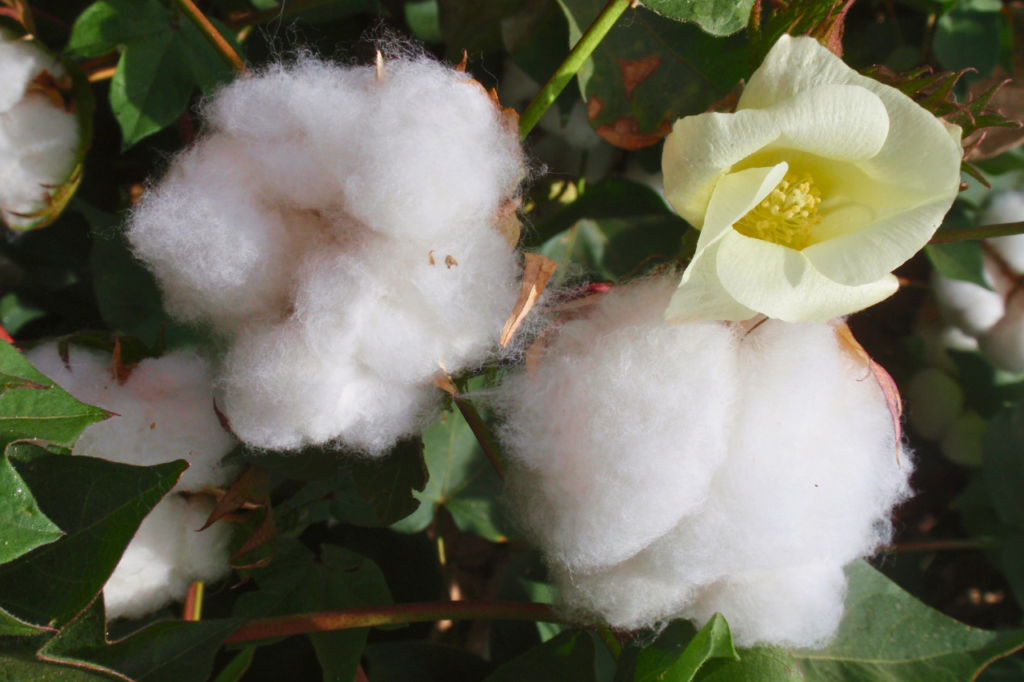
The information above might give the impression that synthetic fibres such as polyester acrylic, and nylon are better for the environment than conventional cotton farming.
However, synthetic fibres have a different environmental impact. They are made from fossil fuels, resources extracted from the earth’s crust, and their production contributes to greenhouse gas emissions and pollution. Synthetic fibres are essentially plastic. Every time we wear or wash these fabrics, they shed microplastics—tiny particles that travel through our wastewater into the oceans. Once in the water, they infiltrate ecosystems and enter the food chain, ultimately being consumed by both wildlife and humans.
In this way, clothing, water, and ecosystems are deeply interconnected, with every stage—from fibre to finished garment—impacting the balance of nature and biodiversity.
PHOTOSYNTHESIS
Plants are mainly photosynthetic organisms, meaning they can produce their own food using sunlight. This process, called photosynthesis, forms the basis of almost all life on Earth.
When the sun’s rays hit the leaves, a chemical reaction is triggered. The plant absorbs carbon dioxide from the air and water from the soil, and with the help of light energy, these molecules are converted into glucose, a sugar that serves as the plant’s energy source.
During this process, plants also produce oxygen, releasing it into the air, which becomes the substance that animals and humans need to breathe and live.
We can write the formula like this:
solar energy + carbon dioxide + water → glucose + oxygen
solar energy + CO2 + H2O → C6H12O6 + O2
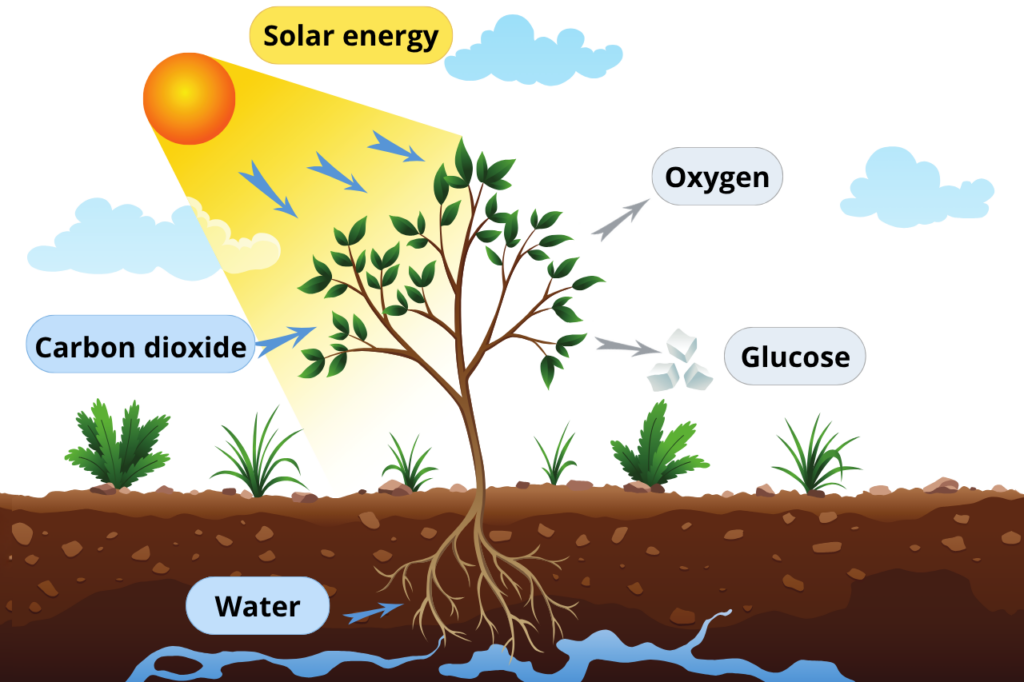
The plant uses the glucose produced during photosynthesis as building blocks to create carbohydrates, fats and proteins. These substances provide energy and are used to build roots, stems, leaves, fruits and seeds. The excess oxygen produced in the process is released into the atmosphere – and it is precisely this oxygen that has made life on Earth possible.
Plants store their energy in the form of starch, fat and protein in various parts of the plant. When humans and animals eat plants or other animals that have eaten plants, we indirectly consume the glucose they contain. In our cells, it serves as fuel in a process called cellular respiration.
During cellular respiration, glucose reacts with oxygen to produce energy, carbon dioxide and water – exactly the substances that plants use in photosynthesis. The difference lies in the direction: photosynthesis stores energy from the sun within the plant, whilst cellular respiration releases energy that animals and humans can use.
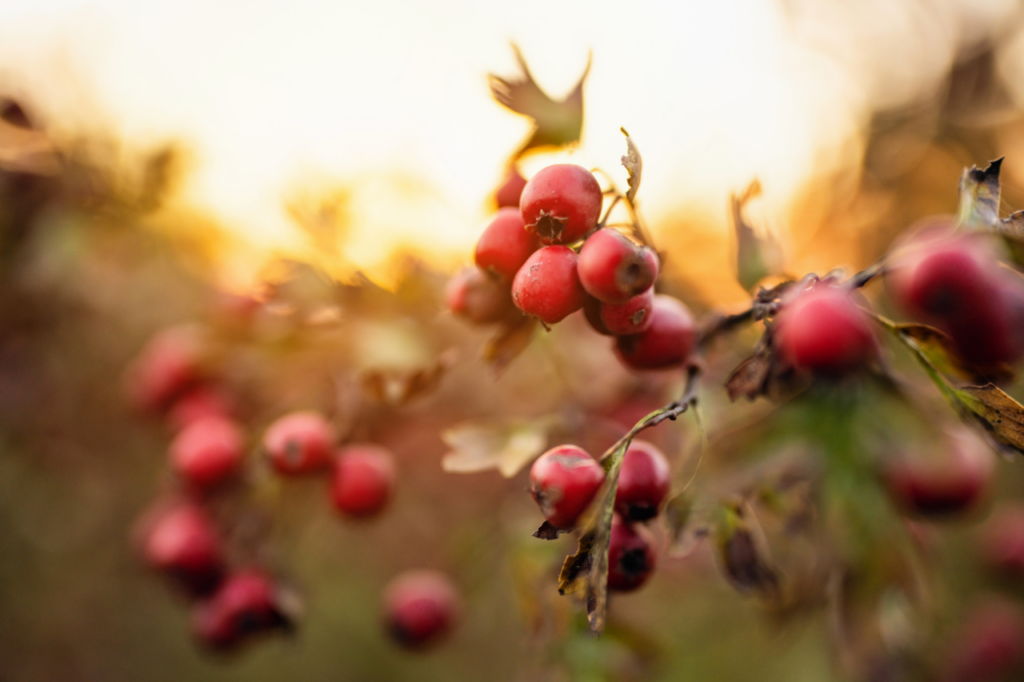
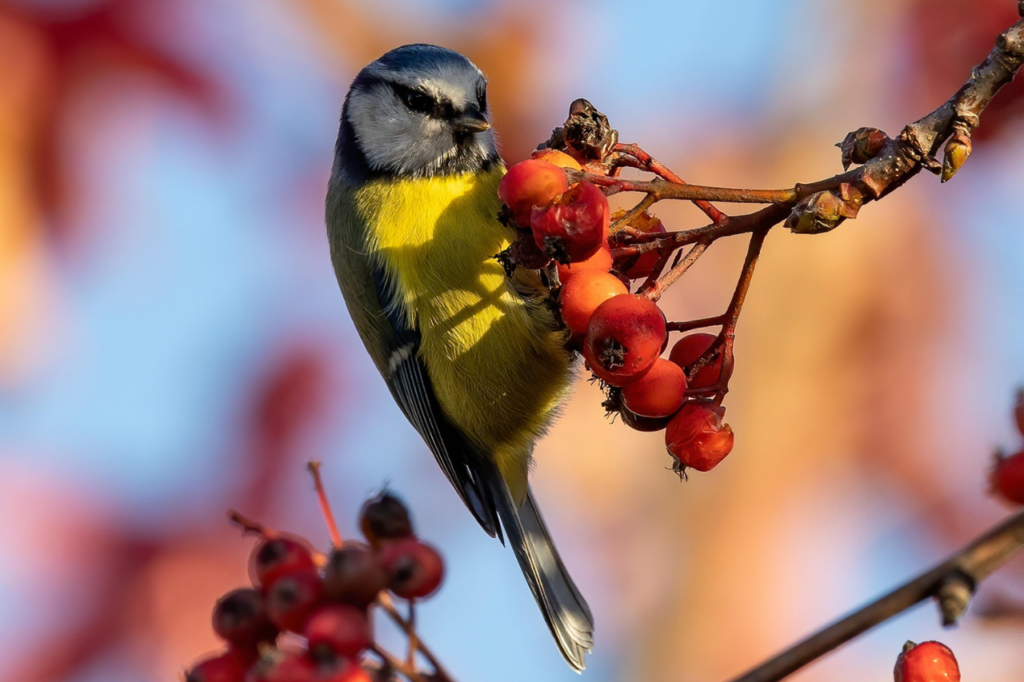
In this way, photosynthesis in plants and cellular respiration in animals link to a continuous cycle of energy and matter. Plants produce the oxygen and nutrients that animals need, and animals release carbon dioxide that plants use. Two sides of the same cycle. Together, they keep life on Earth in balance.
Plants also use cellular respiration to extract energy from their own sugars, particularly at night when the sun is not shining. However, as they produce more oxygen through photosynthesis than they consume, over millions of years, plants have built up the atmosphere’s oxygen content to the level we have today, approximately 21 per cent. The largest part of the atmosphere consists of nitrogen, around 78 per cent, and only about 1 per cent consists of other gases such as argon, carbon dioxide and neon. Although carbon dioxide is present only in very small quantities, it has a decisive effect on the climate. Without it, the Earth would be too cold, but too much leads to a warming planet. Read more under The Earth’s Spheres.
Photosynthesis not only affects the air we breathe, but also the climate and the water cycle. By absorbing carbon dioxide from the atmosphere, plants reduce the greenhouse effect, and through their roots and leaves, they regulate how water moves between the soil, vegetation and the atmosphere. Together, plants and algae create the system that makes the planet habitable. Millions of years of sun, air, water, and life have formed a perfect balance. Exciting and absolutely fantastic!
THE FAMILY TREE OF PLANTS – FROM ALGAE TO FLOWERS
Life on Earth began in the ocean. It was there that the first plants evolved – tiny green algae capable of capturing the sun’s energy and converting it into life. From these, the entire plant kingdom eventually emerged, ranging from mosses to trees.
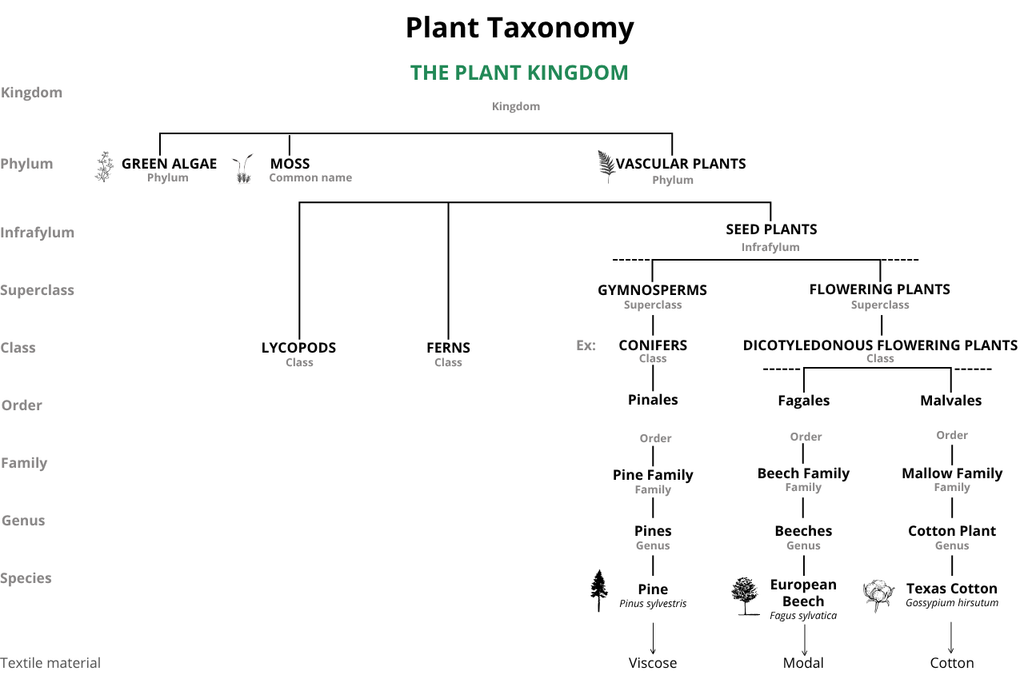
To understand plant diversity, scientists use taxonomy (systematisation), a method for classifying and describing how different organisms are related to one another. We can compare Taxonomy to a family tree, in which all plants share a common point of origin but have subsequently evolved in different directions.
The word comes from the Greek “systema”, which means “a whole made up of parts”. Systematics is therefore about connections and origins, not just about sorting.
The Kinship of Plants
There are around 400,000 known plant species on Earth, ranging from the millimetre-sized aquatic plant duckweed (yes, the name comes precisely from the fact that ducks eat this tiny floating plant, which often covers the surface of ponds and still waterways) to the mighty sequoia, the largest and tallest tree on Earth, which can grow to over a hundred metres in height. They are all part of a vast and interconnected family tree.
In the plant kingdom, we divide species into larger groups known as phyla (or sometimes divisions).
The word “phylum” comes from the Greek word “phylon”, meaning “tribe”, and indicates that a group of organisms shares a common ancestor.


The Plant Kingdom (Plantae) is divided into three main groups:
 1. Green Algaes
The first plants on Earth. They live in water and account for a large proportion of the Earth’s oxygen production.
 2. Moss
The simplest plants on land. They have no roots or vascular system, but it can grow where other plants cannot survive.
 3. Vascular Plants
The largest and most diverse group. They have roots, stems and leaves containing vascular tissue that transports water and nutrients.

Here are three main groups:
- Lycopods; small, spore-bearing plants dating back to prehistoric times.
- Ferns; plants with leaves, roots and a stem that reproduce by spores.
- Seed-bearing plants; plants that reproduce by seed.
Seed-bearing plants are in turn divided into:
- Gymnosperms, e.g. conifers such as pine and spruce.
- Flowering plants; plants that produce flowers, fruits and seeds.

GREEN ALGAE – PLANTS IN THE AQUATIC WORLD
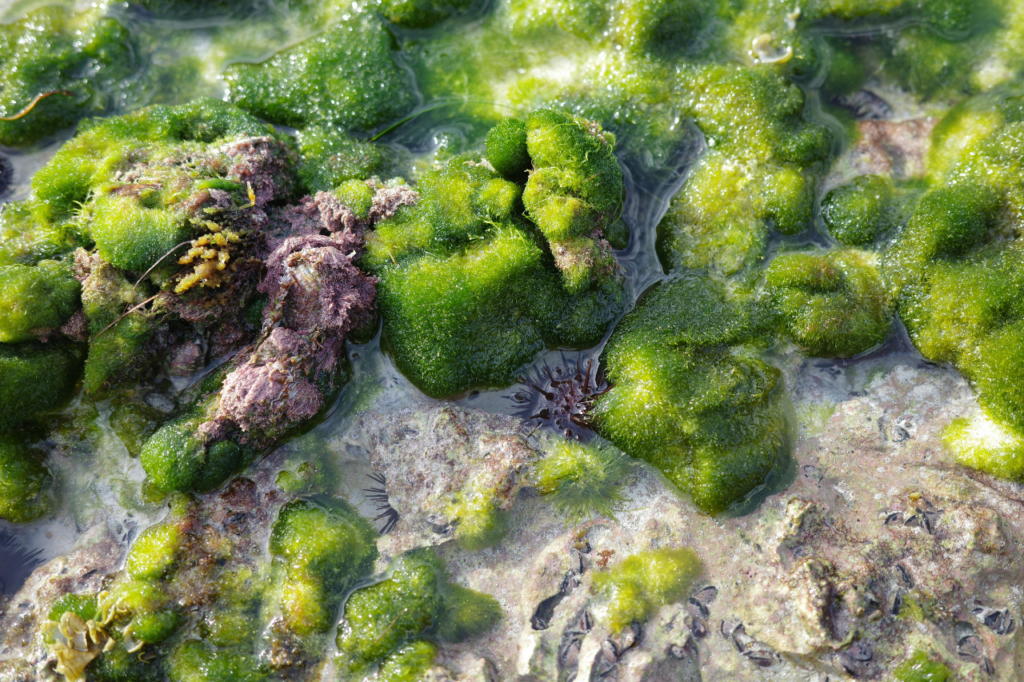
Green algae are the ancestors of plants. They live mainly in water, including lakes, seas and damp environments on land. They are often single-celled or thread-like, but can also form leaf-like colonies. Unlike land plants, they have no roots, stems or leaves. The entire body of the alga, known as the thallus, performs all the functions of a plant. It absorbs water, nutrients and light directly from its surroundings.
Inside the cells are chloroplasts filled with chlorophyll, which gives the algae their green colour and enables them to carry out photosynthesis. Many species also contain other pigments that protect them from strong light or help them capture light in deeper water layers.
Green algae reproduce in several ways:
- Asexual, whereby parts of the cell divide into two and grow into new individuals.
- Sexual, the process where two cells fuse to create a new organism.
They play a vital role in nature, both as producers of oxygen and as the foundation of the food chain in lakes and oceans. A large proportion of the oxygen we breathe comes from microscopic green algae in the oceans.
Green algae are life’s first solar collectors – the organisms that once turned the Earth green.
MOSSES – PLANTS WITHOUT VESSELS
Mosses are among the simplest land plants, but also some of the most adaptable. They lack the internal transport system (vascular tissue) found in vascular plants; therefore, every part of the moss is directly dependent on moisture from its surroundings.
A moss consists of three main parts:
- Rhizoids, thin root-like filaments that anchor the plant to the substrate. They do not function as true roots, but merely absorb a small amount of water.
- Caulids, a stem-like structure that supports the leaf and provides structural rigidity. It does not conduct water; instead, water is transported from cell to cell.
- Phyllids, a leaf-like structures that are really tiny, often just as small as a cell. They absorb water and nutrients directly from rain or atmospheric moisture, which is where photosynthesis takes place.
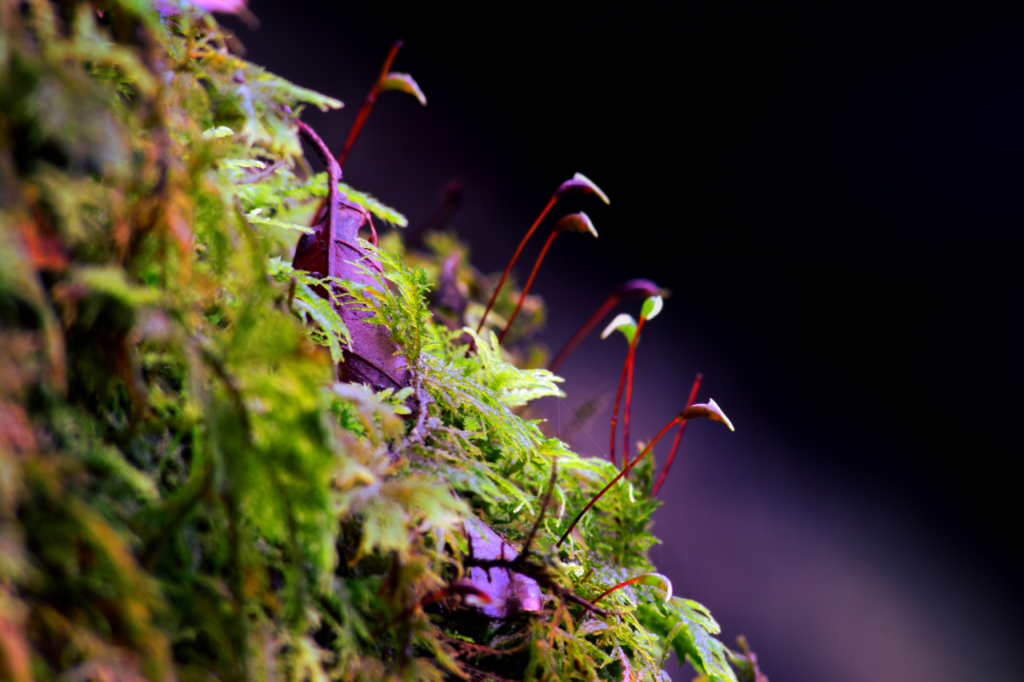
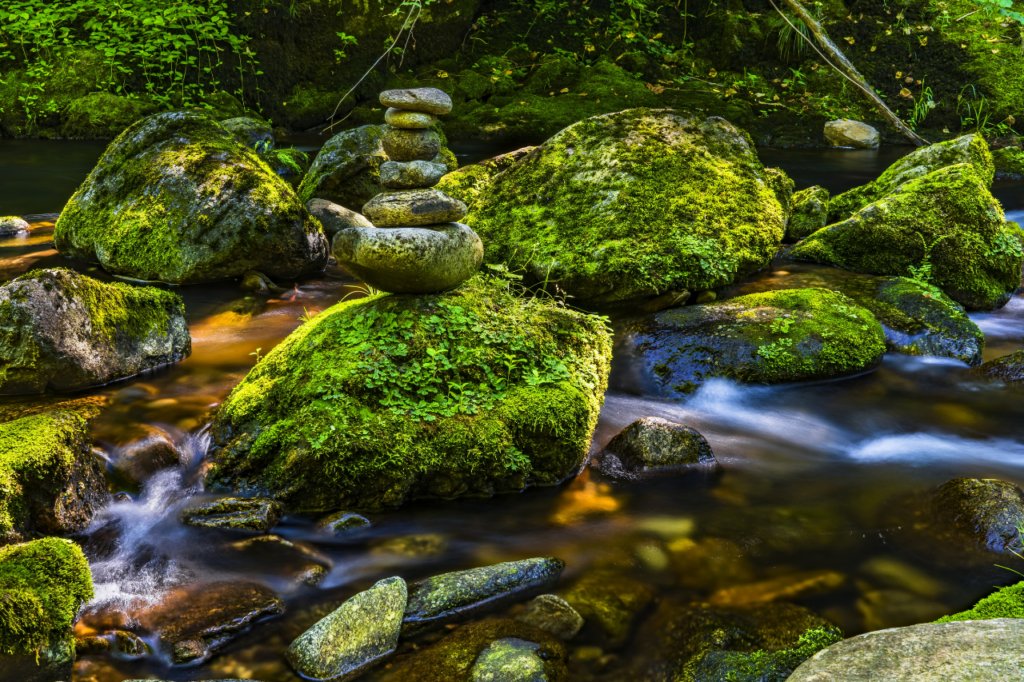
Because mosses lack roots and a vascular system, they depend entirely on moisture to survive and grow. But they are also masters of survival – when conditions become dry, they can go into a state of dormancy and be revived when the rain returns.
Spores carried by the wind reproduce the moss. The spores form in small capsules on slender stalks above the plant. When the capsule opens, millions of spores are released, which can grow into new mosses.
Despite their simple structure, mosses play a vital role in nature. They retain moisture and protect the soil from erosion. In turflands, they also store enormous amounts of carbon, making them silent contributors to the climate balance.
Mosses show that even the smallest things can play a crucial role in life on Earth.
VASCULAR PLANTS – FORM AND FUNCTION
Vascular plants can appear very different, ranging from small herbs to large trees, but they
are structured in much the same way. Despite their differences, they follow a common
pattern – a morphology – which refers precisely to their form and structure.
Most vascular plants have roots, stems or trunks, leaves and seeds, and flowering plants also
have flowers. Each part has its own specific role in the plant’s life cycle.
The Roots anchor the plant in the ground and absorb water and nutrients. They also store
energy in the form of starch, which the plant can use later, for example, during the winter or
in times of drought.
The Stem acts as the plant’s transport system. It carries water and minerals up to the leaves
and transports sugars and energy back down to the rest of the plant. At the same time, it
supports the plant, allowing the leaves to catch the sunlight.
Inside the stem, there are two types of vascular tissue: xylem and phloem.
The xylem consists of dead, hollow cells that form tubes. In the xylem, water and minerals
are transported from the roots to the leaves; it is this tissue that forms the wood in trees and
shrubs.
The phloem consists of living cells and is sometimes called sieve tissue. It’s in the phloem
that sugars, amino acids and other organic substances flow to and from the leaves. In spring,
starch is transported from the roots to the leaves and converted into sugar. In autumn, the
flow of sugar reverses and is stored once again in the roots as starch.
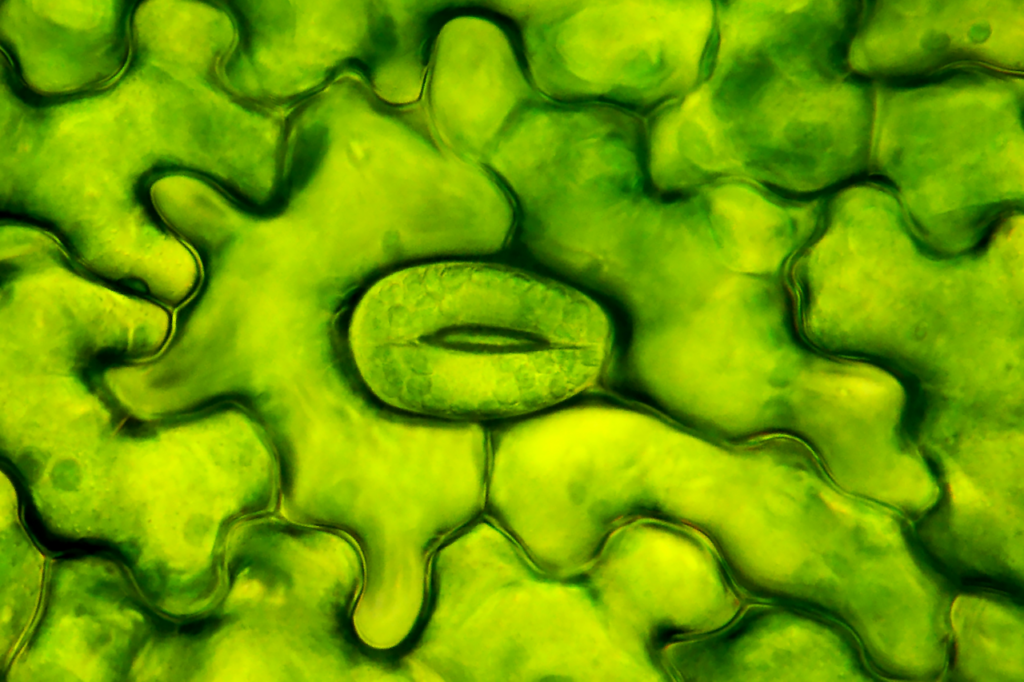
Leaves are the plant’s powerhouse, where photosynthesis takes place: sunlight is captured, and carbon dioxide and water are converted into glucose. On the underside of the leaves are small openings, known as stomatal apertures, which regulate how much carbon dioxide is taken in and how much water vapour is released.
Flowers are the plant’s way of creating new life. They usually consist of petals, stamens, and a pistil. Using bright colours or scents, they attract insects and other pollinators that help to spread pollen.
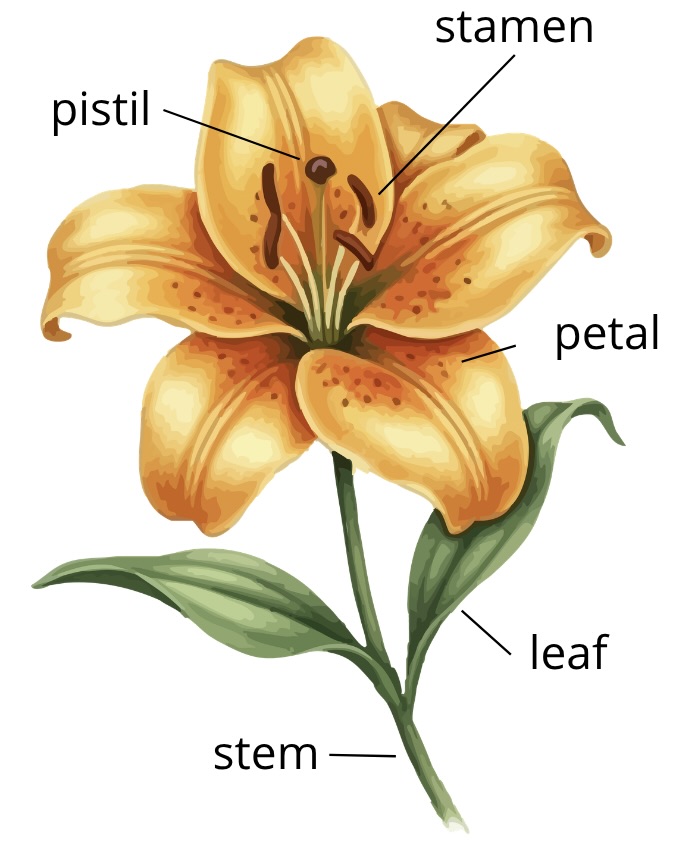
The stamens are the male reproductive organs of the plant and produce pollen, whilst the pistil is the female reproductive organ that contains the ovules. When pollen is transferred from the stamen to the pistil, pollination takes place. Seeds then form, which can germinate and grow into new plants – the next generation in the cycle of life.
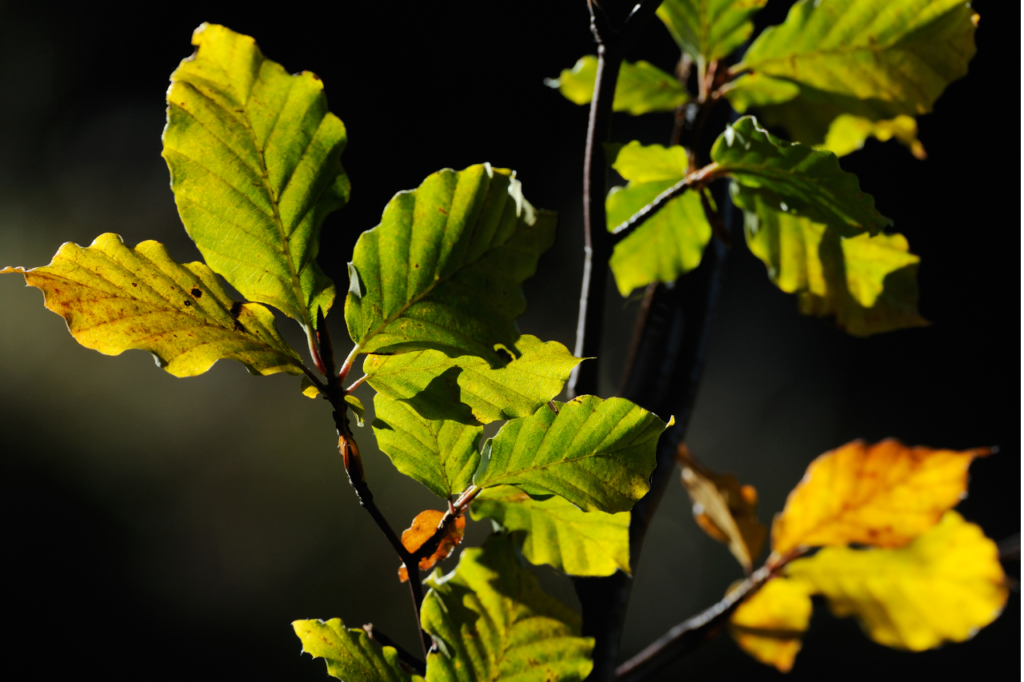
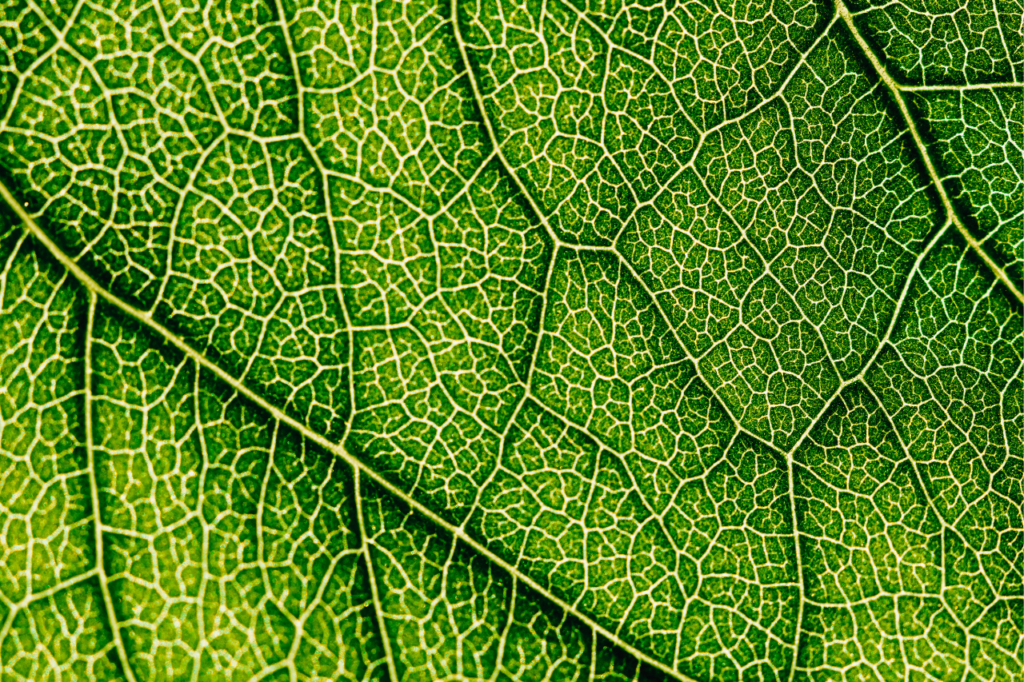
Green leaves – the Earth’s purification plant and thermostat
The structure of leaves is not only crucial to the plant’s survival, but also to the balance of the entire planet. Through its stomata, the plant controls how much carbon dioxide it takes in and how much water vapour it releases. This process, known as transpiration, helps cool the air, regulate temperature, and even contribute to cloud formation and rainfall.
Together with photosynthesis, which enables plants to absorb carbon dioxide and release oxygen, they create a system that purifies the air, stabilises the climate, and makes the Earth habitable. It is through this structure and interaction that plants not only survive – they sustain life itself.
Vascular plants became the backbone of the plant kingdom; they were what enabled life to grow tall, spread far and wide, and nourish all living things.
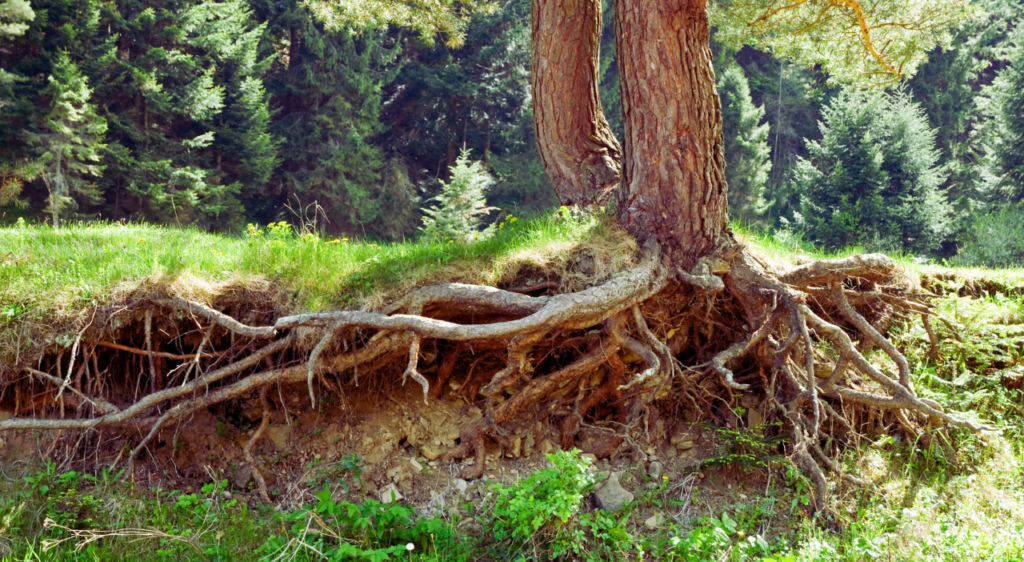
ROOTS – LIFE BELOW THE SURFACE
Beneath the ground, a parallel form of life is at work. Roots anchor the plant, but they do far more than that. They spread out like a fine-meshed network, sometimes covering an area many times the plant’s above-ground area. A single pine tree can have roots stretching 20 metres, and in a meadow, the root systems of thousands of plants can intertwine to form a living web.
At the very tips of the roots are root threads, microscopic outgrowths that increase the surface area and enable the plant to absorb more water and nutrients from the soil. The roots also act as a reservoir, storing energy in the form of starch that can be used when growth resumes, for example, in the spring following the winter dormancy.
The extent of a plant’s root system reveals its living conditions. In a tree around 20 metres tall, the roots can extend several metres outward, often at least as far as the crown’s shadow, and spread beneath the surface like a living network. Vertically, in most trees, the majority of the root system is found within the top metre, but in deeper, looser soils, the roots can extend much deeper.
The depth and spread of a tree’s roots are influenced by soil structure, water supply, and nutrient status—factors that vary by species and by whether the tree grows in a primeval forest, a mixed forest, or a plantation.
Nature’s network – underground cooperation
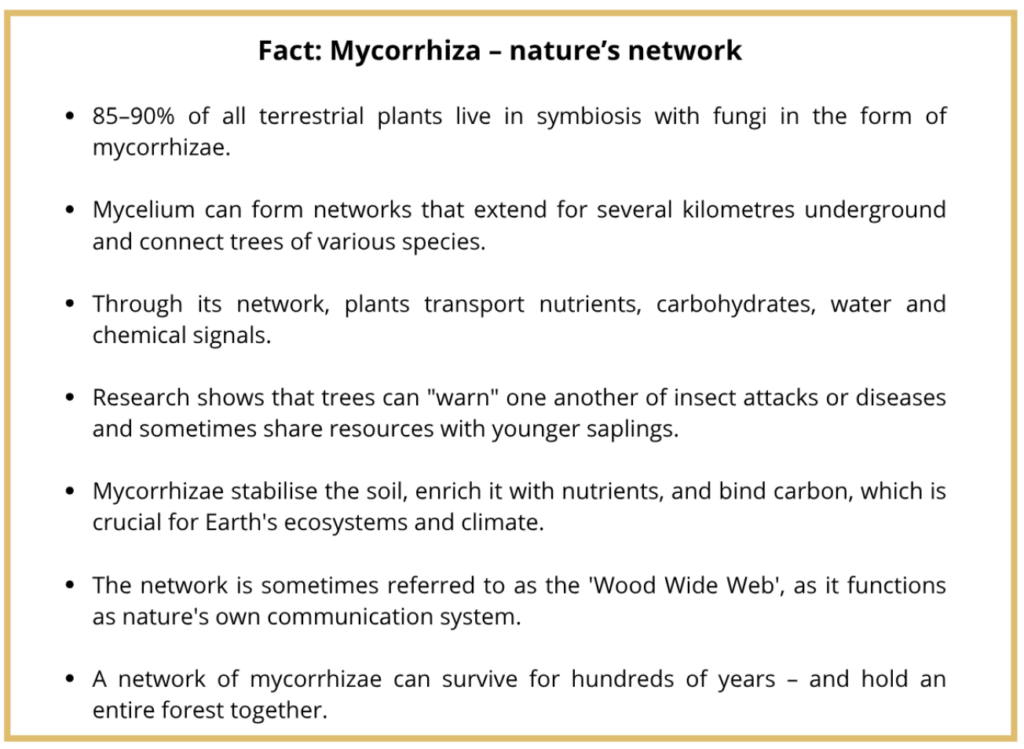
Roots do not work alone. Fungi live in the soil and form mycorrhizae, a symbiotic relationship in which the fungus’s hyphae grow alongside the plant’s roots, enabling a mutually beneficial exchange. For example, the fungus helps the plant access nutrients that would otherwise be out of reach, and in return receives sugars from the plant’s photosynthesis. Almost all land plants live in such symbiotic relationships, a silent yet vital alliance between plant and fungus that has kept the Earth alive for hundreds of millions of years.
This underground interaction forms the basis of all life on land. It is here that nutrients circulate, carbon is stored, and new ecosystems emerge. Mycorrhizae play a crucial role in soil health. They bind the soil, improve soil structure and increase plants’ resistance to drought and disease.
The roots show that nature is not just about what we can see. Most of the work goes on quietly, hidden beneath the surface – in the darkness, the damp, and the soil. Nature has its own way of staying in touch.
Even the invisible exists.
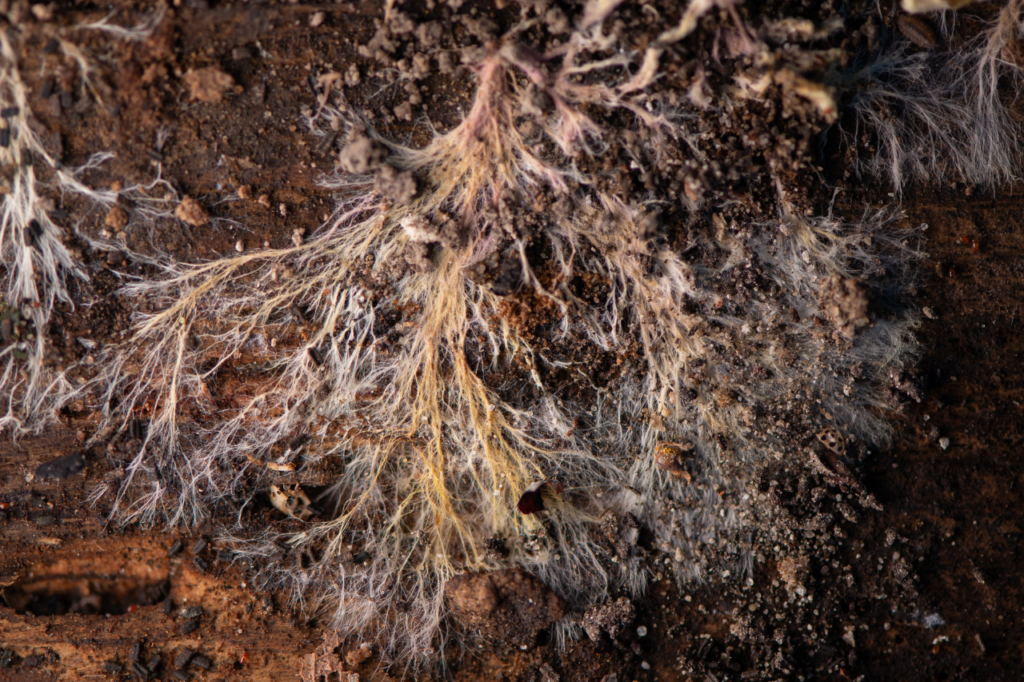
which helps to absorb and distribute nutrients.
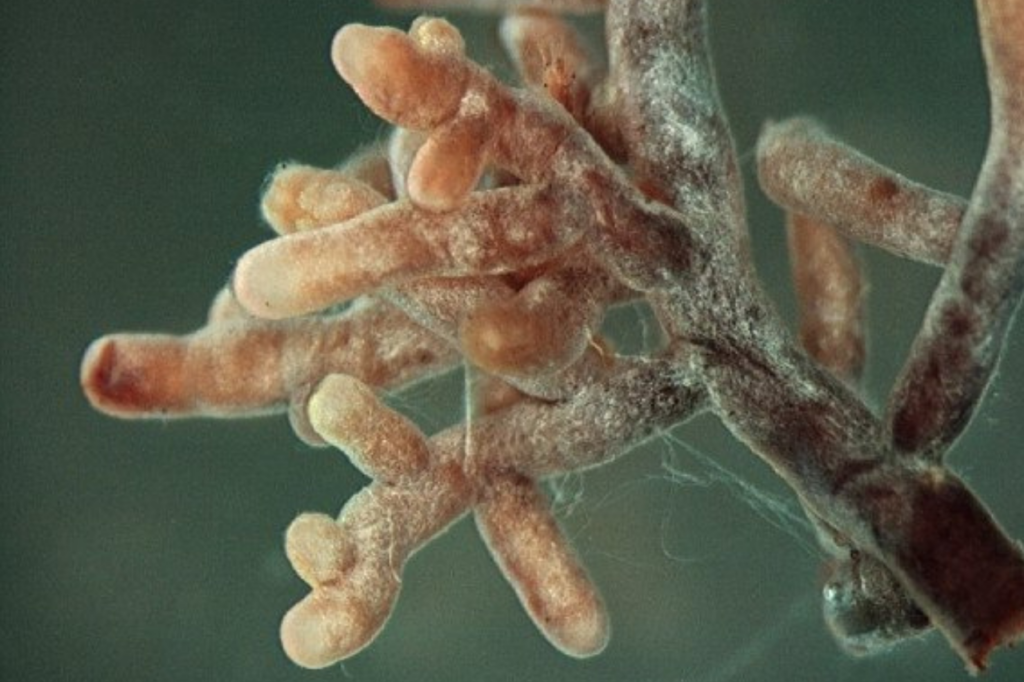
Photo: Ellen Larsson via Wikimedia Common
THE SURVIVAL STRATEGY OF PLANTS – FROM SEED TO SURVIVAL

Seeds – the beginning of all life
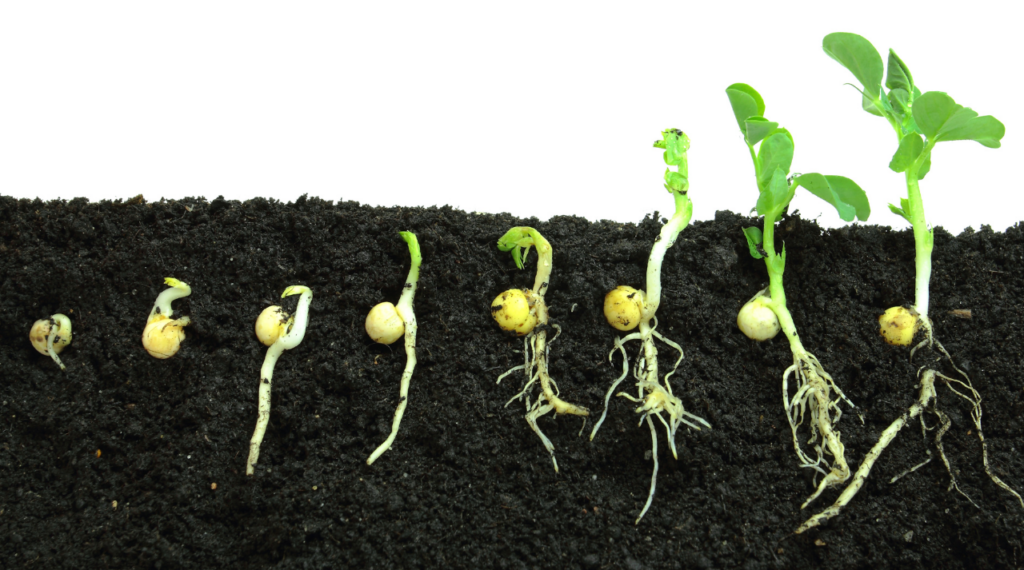
After a flower is pollinated, a seed forms inside the ovary. That tiny seed contains everything life needs: an embryo – the new plant – enough nutrients to sustain it until it has grown out of the soil, and a shell that protects it from drought, cold and the passage of time. You could compare a seed to a bird’s egg.
The embryo is like a hatchling bird, the nutritive tissue like the yolk’s storehouse, and the shell like the protective casing that preserves life until the right moment arrives. The difference is that the seed does not need to be warmed by a parent; it rests in the soil, waiting patiently for the right combination of light, moisture and warmth.
When these conditions are met, it comes to life, takes root, breaks through the soil and seeks out the light. Seed-bearing plants disperse their seeds in various ways. The wind carries the light seeds of dandelions, birches and maples. Animals disperse them by eating fruits and seeds or carrying them in their fur. Some plants burst open when their capsules or pods dry out, flinging the seeds forcefully.
However it happens, the goal remains the same: to find a place where life can begin anew. A seed marks both the end of one plant’s life cycle and the beginning of another. It is nature’s way of remembering and renewing itself at the same time, a tiny vessel of heritage, energy and time.
To live, rest and start over
Plants live in cycles. Some manage to live a full life in a single season, whilst others can remain standing for hundreds of years. Annual plants, known as annuals, germinate, flower and produce seeds in the same year. When they wither, life remains in the seed, ready for the next season. Perennial plants return year after year. They store energy in their roots or stems, and often overwinter underground.
In cold climates, many plants shed their leaves in autumn or winter to conserve energy and protect themselves from the cold. In tropical regions, however, leaves are shed during dry seasons, when water becomes scarce.
Other plants, such as conifers, are evergreen and retain their leaves year-round, having adapted to barren soils where conserving resources benefits them.
Regardless of lifespan, it’s all about survival, rest and starting over. The life cycle of plants does not follow the clock – it follows the soil, the light and the passing of the seasons.
Forms of Life – How Plants Survive
All over the world, plants have found ways to survive in places where life seems impossible. In the desert, plants have developed thick leaves or stems that store water, like in cacti. Many have small leaves or none at all, to minimise water loss through evaporation.
In aquatic environments, plants have instead adapted to float or live below the surface. The water lily’s large leaves capture sunlight on the water’s surface, whilst its roots anchor themselves in the mud at the bottom.
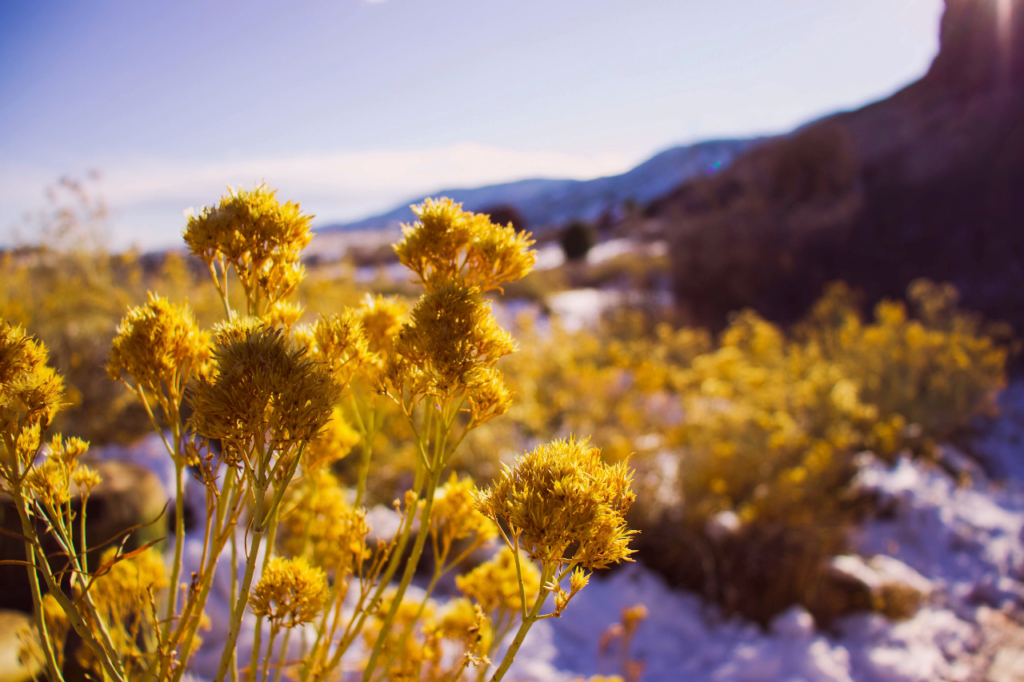
In forests, plants compete for light. Those that grow in the shade often have broad, thin leaves that catch the last rays of sunlight filtering through the tree trunks.
In cold climates, plants protect themselves by developing a waxy coating on their leaves to withstand frost and dehydration. Mountain plants grow close to the ground to retain heat and shelter from the wind.
Every environment has its own approach.
WHY PLANTS ARE SO IMPORTANT
Plants are more than just greenery; they are the very foundation of all life on Earth.
They link the climate, ecosystems, and our well-being, and they provide us with food, oxygen, materials, and a sense of purpose.
Habitat and Biodiversity
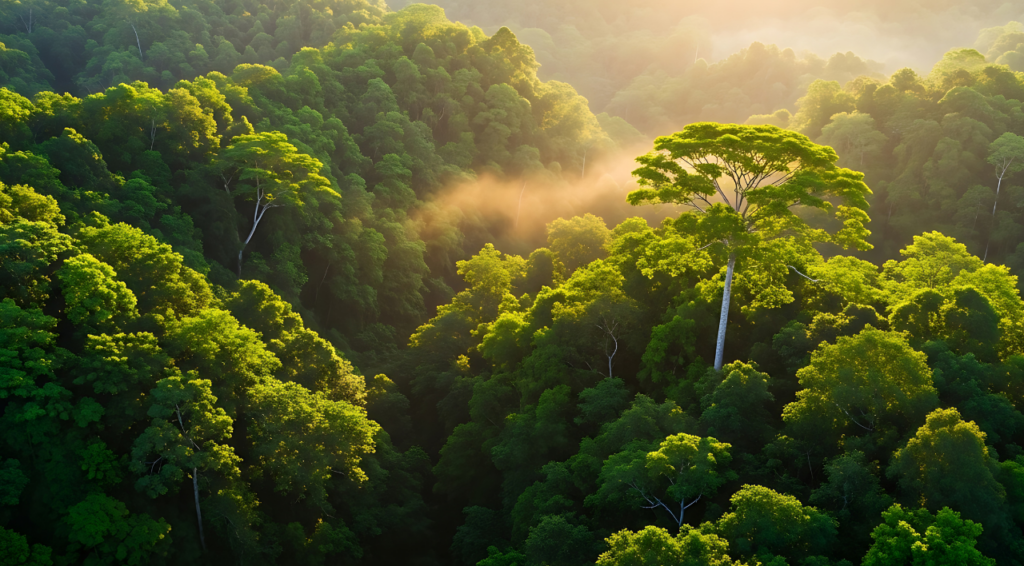
Almost all wildlife depends on plants. Trees, shrubs and ground-level plants create habitats where animals, insects and microorganisms can thrive. From rainforests and meadows to dry grasslands and coastal mangroves – plants shape the habitats that keep the planet alive. Native species such as oak and birch are particularly important because they support a wide variety of flora and fauna and strengthen nature’s resilience. The more plant species there are, the more animals can live there, and the more stable the entire ecosystem becomes.
Climate Regulation and the Carbon Cycle
Through photosynthesis, plants capture carbon dioxide from the atmosphere to release oxygen. The plant’s tissues, in addition to the soil’s mycorrhizal network, store the carbon dioxide – nature’s own carbon reservoir. When plants die, some of the carbon breaks down and returns to the soil, keeping the carbon cycle in motion and regulating the climate over time. Trees and plants also act as natural air purifiers, particularly in cities. They capture particles and gases such as nitrogen and sulphur dioxide whilst producing oxygen, our most fundamental requirement for life.
Pollinators and Food Availability
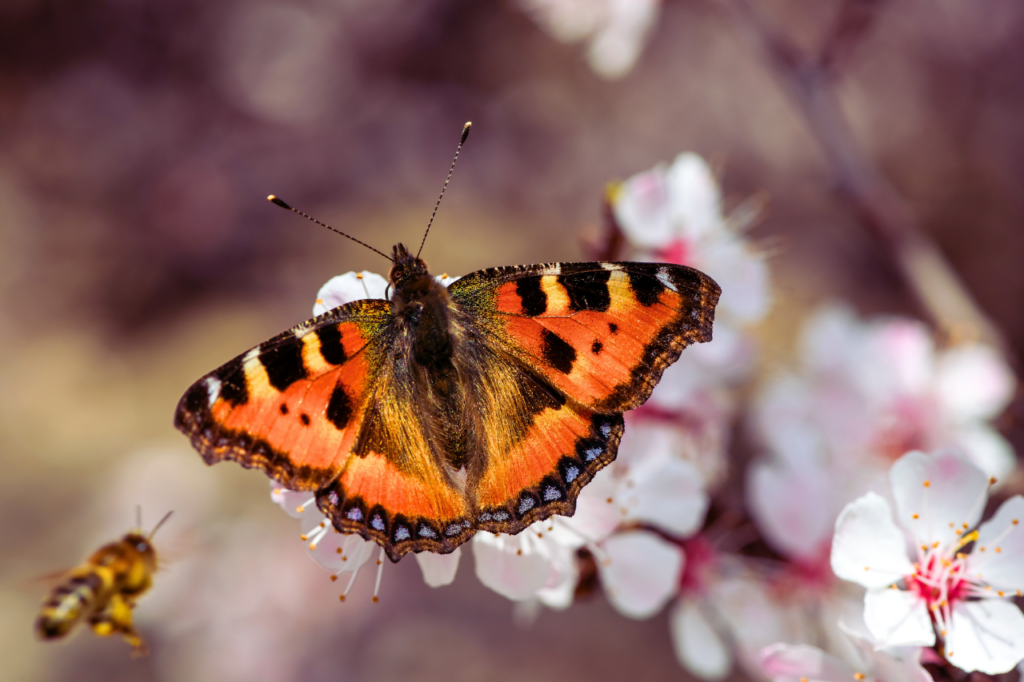
Plants and pollinators, such as bees, butterflies and birds, live in mutual co-dependence. Pollinators carry pollen from flower to flower, enabling new seeds and fruits to form, and in return they receive nectar, food and shelter. As a result of the decline of pollinators, our own food supply is also affected – over 70 per cent of the crops we grow depend on pollination. Planting native flowers and reducing pesticide use is therefore not just about caring for insects, but also about caring for ourselves. Plants provide virtually all food for animals and humans, both directly – through, for example, grass, leaves, vegetables, root vegetables, cereals, fruit, berries, nuts and seeds – and indirectly through meat from animals that have eaten plants, either directly or indirectly.

Soil Health, Water Treatment and Erosion Control
Plant roots hold the soil together and protect against erosion, flooding and landslides. As water flows through the soil, the roots filter out nutrients and pollutants, resulting in cleaner groundwater and healthier ecosystems. In addition, a healthy vegetation cover reduces evaporation, sequesters carbon in the soil and strengthens agriculture’s long-term ability to sustain life.
People’s Well-Being
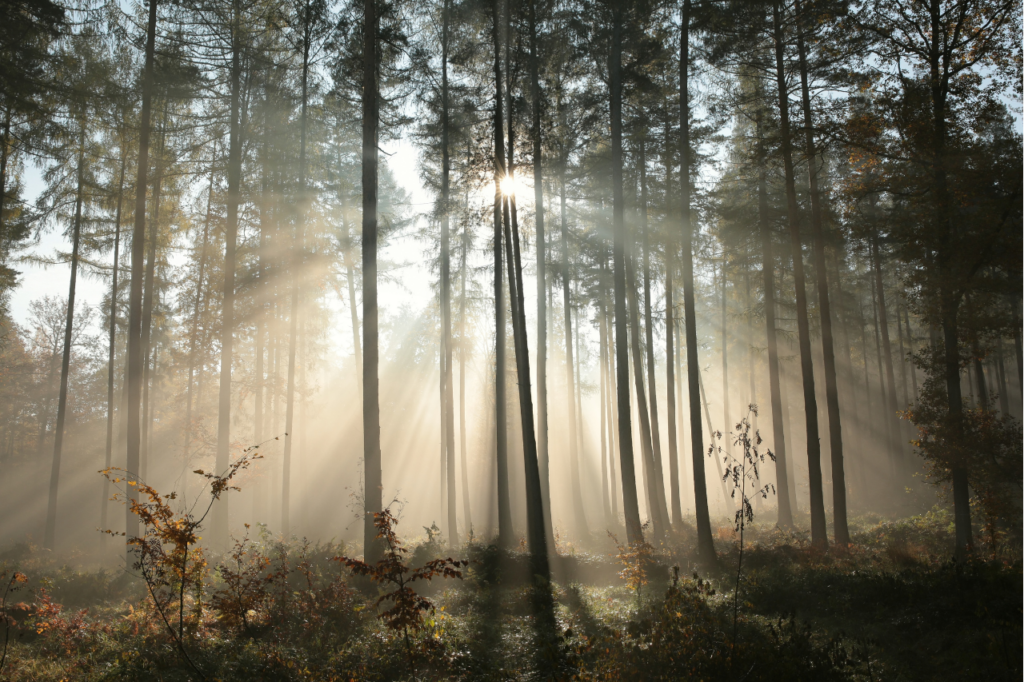
Vegetation has a direct impact on us. Thus, spending time surrounded by plants reduces stress, improves concentration and boosts the immune system. Forests, parks and gardens act as nature’s breathing spaces, places where both body and mind can rest. Plants are therefore not only essential for animals and the climate, but also for our own health and well-being.
Relevance to Textiles
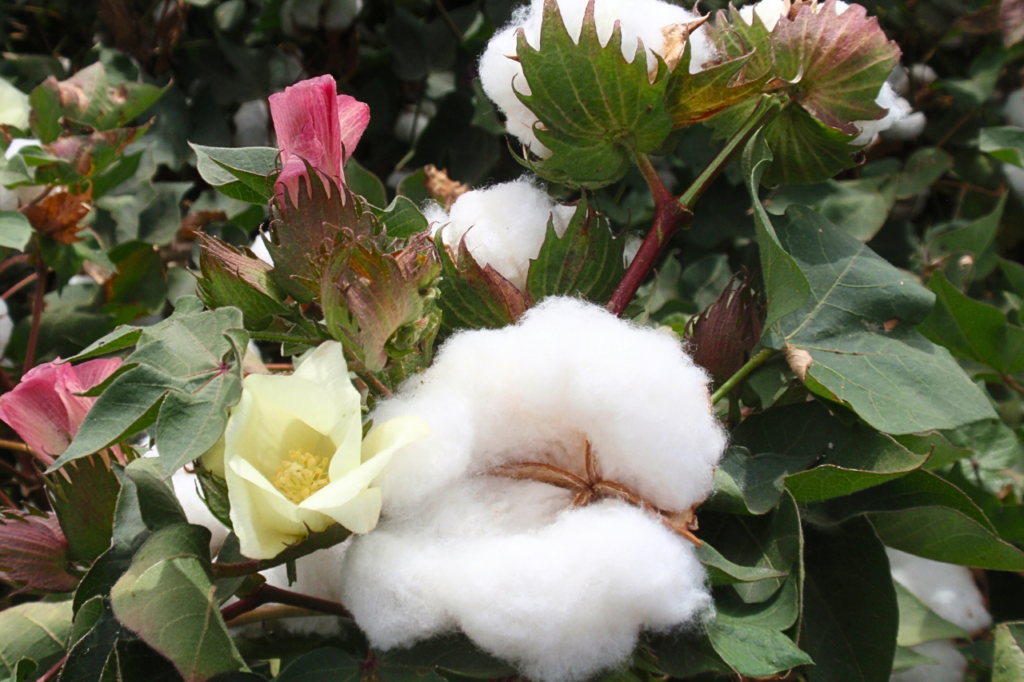
Through history, plants have been a constant companion to humankind, providing food, building materials and textile fibres. Over 400 plant species worldwide produce fibres suitable for fabric, but we use only a few on a large scale, such as cotton, flax, jute, hemp and ramie. All plant fibres consist of cellulose, a natural substance that forms the cell walls of plants. It is one of Earth’s most common organic compounds and serves as the skeleton of plants – strong, flexible, and entirely biological.
We can use cellulose as it is; for example, cotton from the seed pod, flax and jute from the stalk – known as bast fibres – or coconut and sisal from the fruit and leaves. These are natural fibres, the plants’ own structures, which we humans clean, spin and weave into fabric.
However, some fibres do not remain natural, even though they originate from plants. Using human technology, we can chemically break down cellulose and reshape it into new fibres, such as viscose and lyocell. These are known as regenerated fibres, and production occurs through processes that involve adding chemicals, water, and energy to dissolve the plant’s structure and rebuild it in a new form. Read more under Textile Knowledge. We can compare the process to extracting steel from a rock: the raw material comes from nature, but the material produced is entirely new.
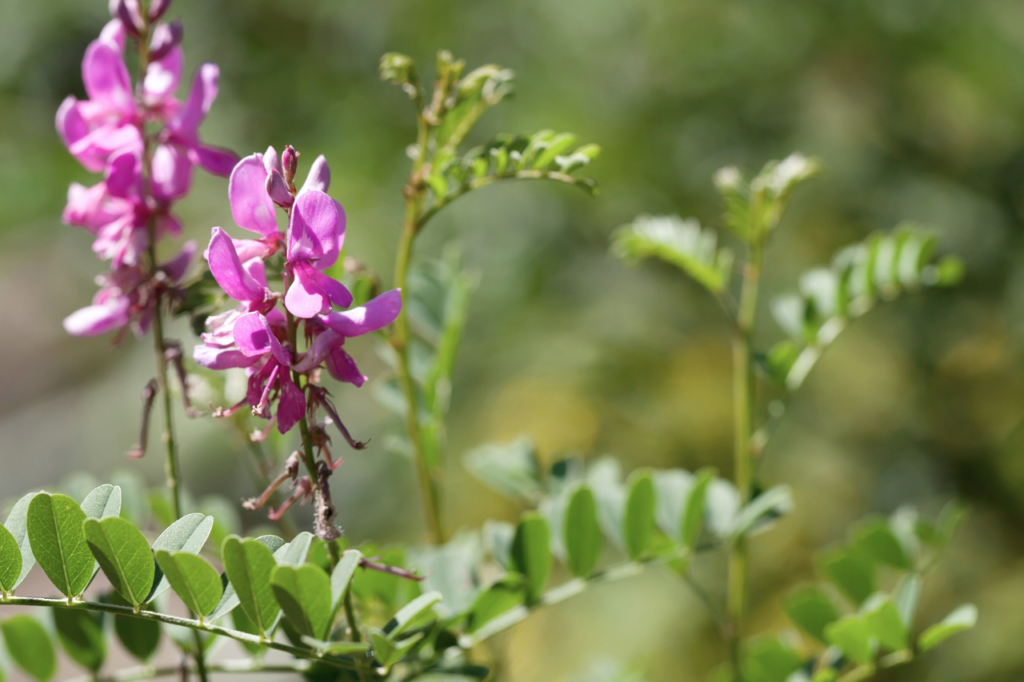
Plants can also be used to dye textiles. Avocado stones, onion skins, birch leaves, turmeric and parts of some trees, as well as nuts, are just a few examples. Indigo is another natural dye extracted mainly from the leaves of the legume Indigofera tinctoria. It is one of the world’s oldest and most widely used dyes, with a characteristic deep blue hue. Indigo is traditionally used for dyeing textiles and is particularly well known as the primary dye for denim, used in the manufacture of jeans. However, 99% of denim today uses synthetic indigo rather than natural plant-based dye.
Understanding the difference between the natural and the modified means understanding our role as creators and our responsibility as caretakers.
Reflection
Plants are the Earth’s quiet workers. They breathe, bond, purify and renew – without us even noticing. They are the source of our food, our clothing, our oxygen and our peace of mind. Every single piece of fabric, every single thread, begins as light captured by a leaf. To understand plants is to understand the essence of life itself.
Sources
Britannica – Plant 
Scienence Sauce – Fertilisation and Seed Formation
NPS – The General Sherman Tree. The Largest Tree in the World
Impecta Fröhandel – Pollination: how a seed is formed
Mr Exham Biology – Transport in plants – Xylem and Phloem
Magnus Ehinger’s Teaching – The Stem and the Transport through it
Binogi – Vascular transport in plants
Tess Waltenburg – Natural dyeing for Beginners
Youtube/Shaunna Rochelle – A Beginners Guide to Natural Dyeing / Plant Dyes
Wikipedia – Phylum
Click on the image to
download as a PDF
April 2026, TÄNKOM | Revised Sepember 2026, RETHINK


