
You open Instagram to look at a friend’s photo. A few minutes later, you’ve watched several ads, received tips on ‘must-haves’, been offered a discount and perhaps even added something to your basket. And this is far from a random …
You open Instagram to look at a friend’s photo. A few minutes later, you’ve watched several ads, received tips on ‘must-haves’, been offered a discount and perhaps even added something to your basket. And this is far from a random …
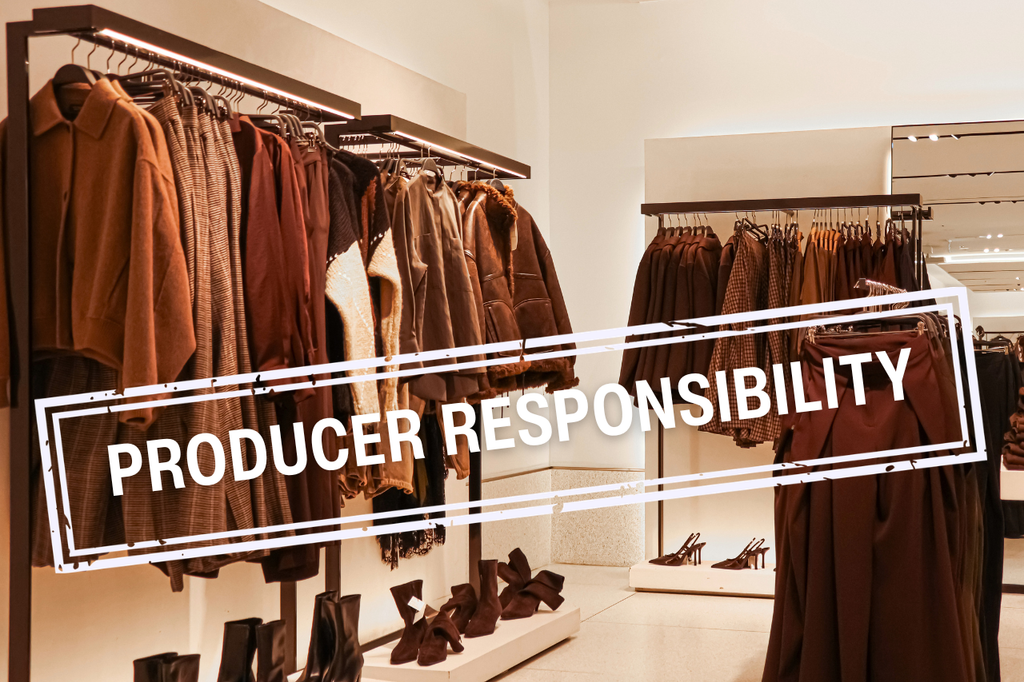
Finally!
In September, the European Parliament adopted a groundbreaking directive introducing mandatory extended producer responsibility (EPR) for textiles and footwear across the EU. And now, in December, the Swedish Environmental Protection Agency received a mandate from the government to propose …
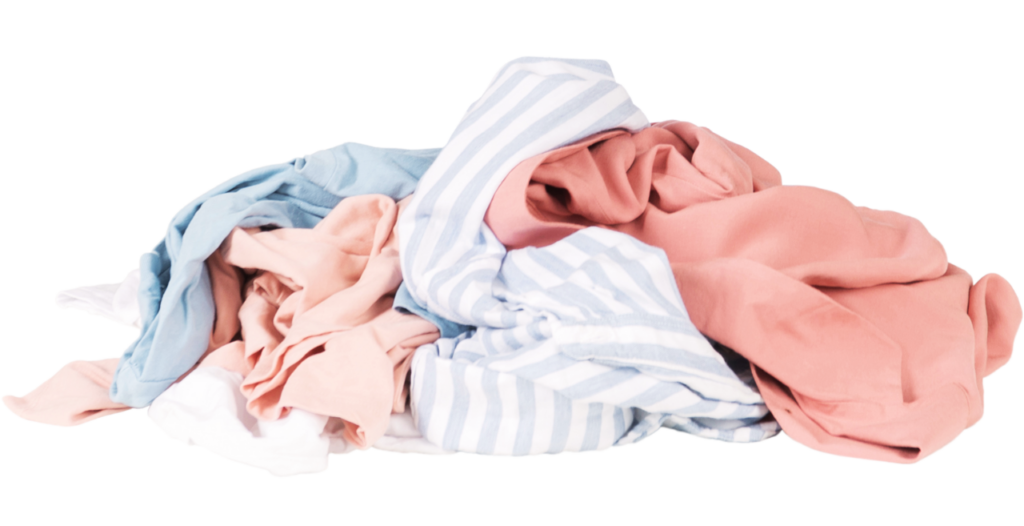
From January 1, 2025, all EU countries must separate the textile waste collection. In Sweden, municipalities will be responsible for collecting and managing the waste. They will also be responsible for informing households and businesses to extend the use of textile products in the first place, …
DO YOU WANT TO BE A CONSCIOUS CONSUMER WHEN PURCHASING NEW CLOTHING BUT ARE UNSURE WHAT ALL THE “GREEN” STAMPS AND LABELS MEAN?
Seeing various ecolabels on items sold in stores is becoming more common. Clothing companies, for example, may …
According to the UN Environment Program UNEP, on average, a garbage truck full of textiles is landfilled or burned every second [1].
Given the large amounts of water, chemicals, and energy used in producing these textiles, many people are starting …
As more people become aware of the detrimental effects of textile production and consumption on the environment, discussions often focus on the chemical and water-intensive processes that lead to significant carbon dioxide emissions. However, it’s essential to understand the broader …


