
When we talk about fungi as food, we usually refer to the fruiting body, the spore-forming body of the fungus, which is typically visible on the surface of the …
When we talk about fungi as food, we usually refer to the fruiting body, the spore-forming body of the fungus, which is typically visible on the surface of the …

Biological indicators, also known as bioindicators or biomarkers, are organisms, species, or biological characteristics that we use to assess the health of an ecosystem, habitat, or the overall environment. These indicators can provide valuable information …

The greenhouse effect is a natural process that causes some of the Earth’s thermal radiation to stay in the atmosphere longer, increasing the temperature of the Earth (1). Although the atmosphere is almost 99 % oxygen and nitrogen, which let …
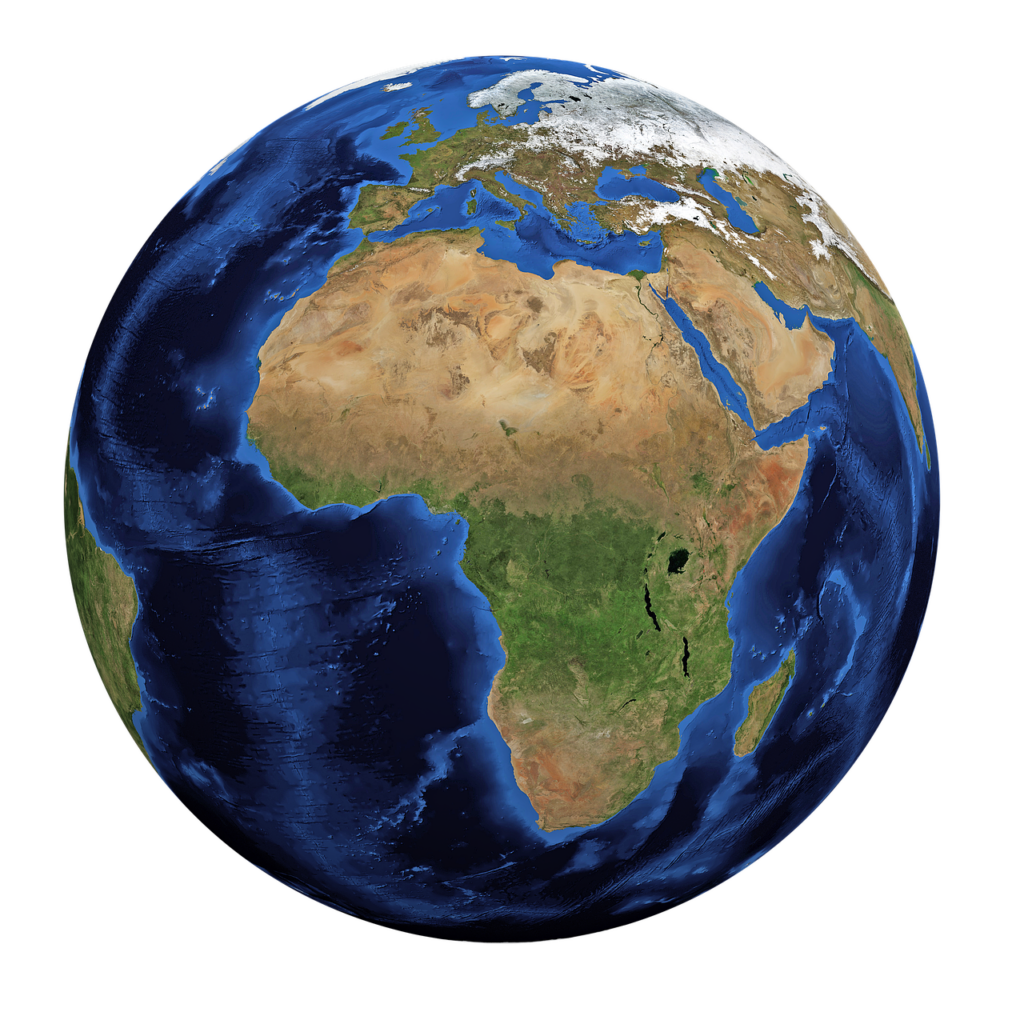
Tellus is the Latin name for the planet Earth. Tellus or terra means Earth; the name comes from the Roman goddess Tellus, Tellus Mater, or Mother Earth.
Tellus is like our home—a beautiful planet with oceans, continents, and air that …
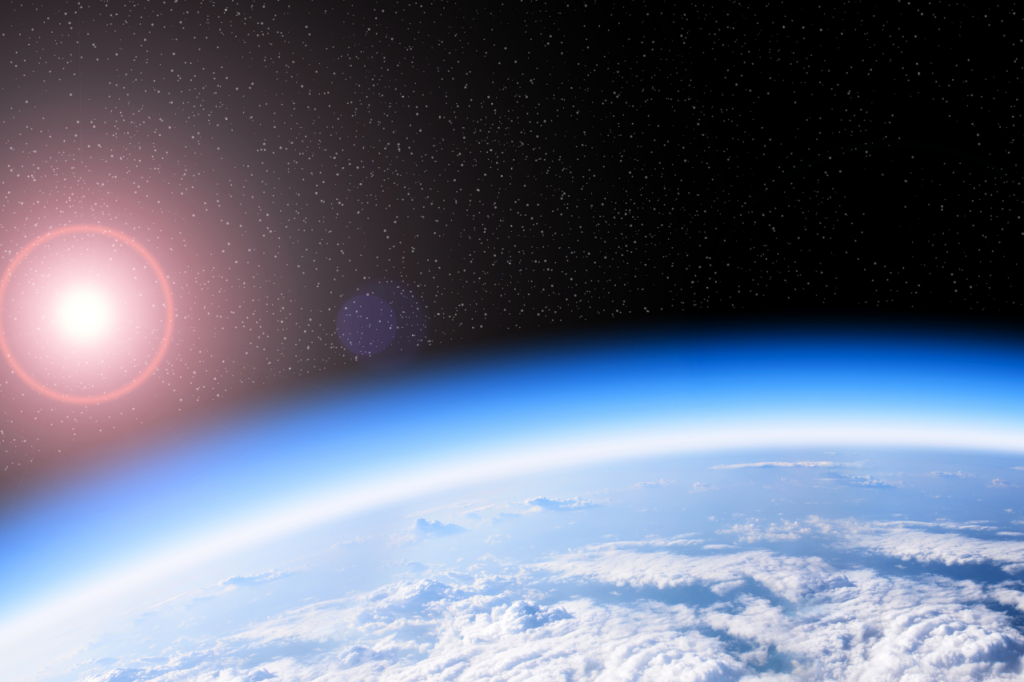
At the centre of the stratosphere, 10-50 kilometres above the Earth, lies the vital ozone layer. It is made by the sun’s light constantly converting some of the oxygen in the air into ozone [1]. Ozone consists of three oxygen …

A food cycle consists of several food chains that intertwine and influence each other in an ecosystem. An organism often has several types of food and is, in turn, eaten by different species, which means that nutrients are spread and …


