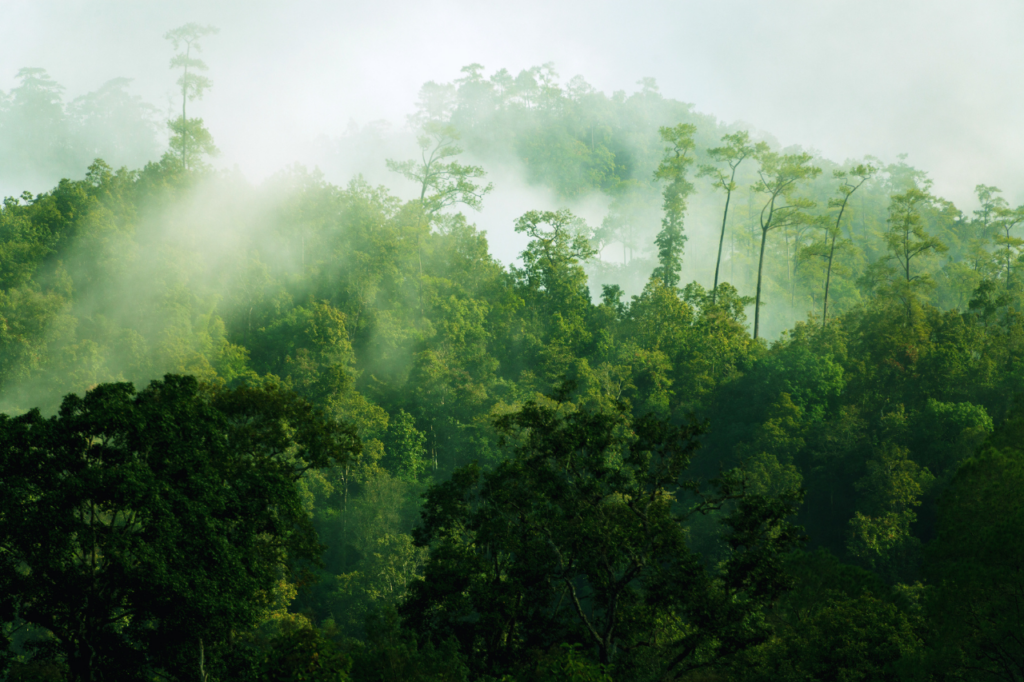
Transpiration is the process by which plants release water vapour through their leaves, mainly via the stomata, but also through the leaf’s outermost waxy layer. The process is a crucial part of the water cycle and the plant’s transport of …
Transpiration is the process by which plants release water vapour through their leaves, mainly via the stomata, but also through the leaf’s outermost waxy layer. The process is a crucial part of the water cycle and the plant’s transport of …
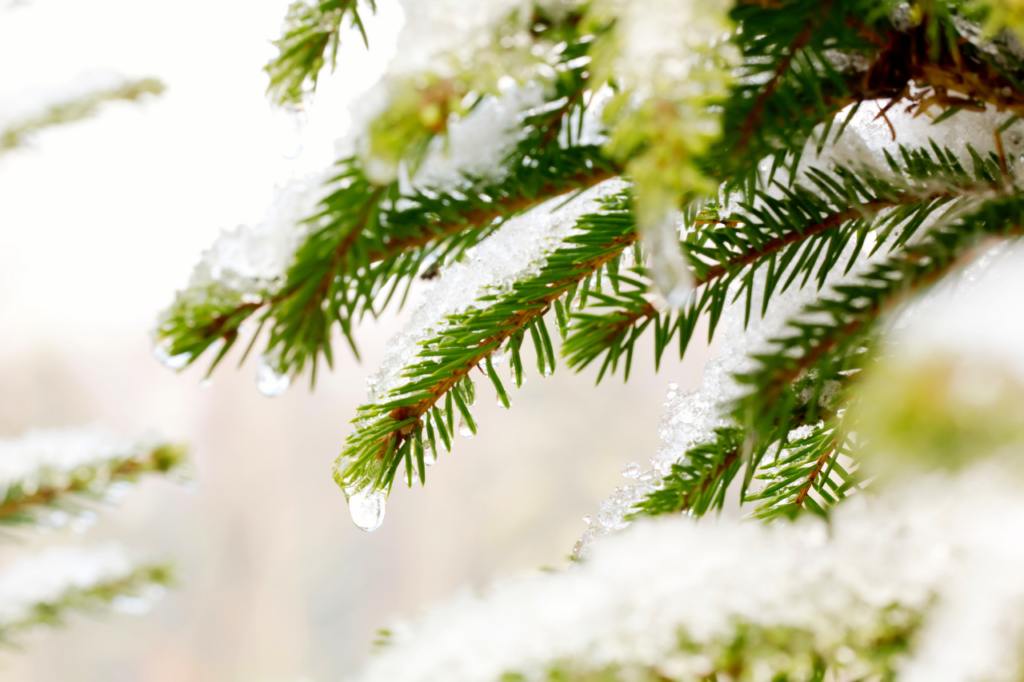
Evergreen means ‘always green’ and refers to plants that retain their leaves or needles all year round. The leaves remain for several years and are replaced gradually. Examples of evergreen plants include spruce and pine.
Evergreen plants are often confused …
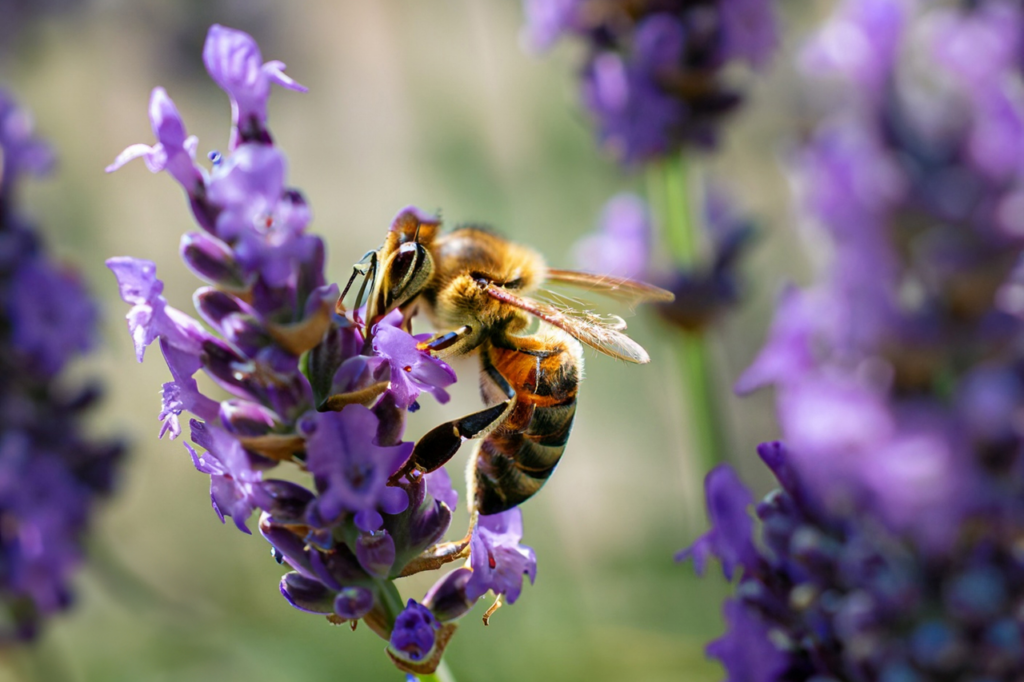
Perennials are plants that return year after year. They usually wither in the autumn, overwinter underground and start growing again in the spring.
Examples of perennials include heather, lavender, rhubarb and chives.
Links
Stomata are microscopic pores found mainly on the underside of plant leaves that facilitate gas exchange for photosynthesis. Stomatal opening is the process by which these pores widen and open.
Carbon dioxide is taken up by the leaf through the …

Interception is the portion of precipitation captured by vegetation, such as leaves and tree canopies. To illustrate, the rain evaporates rather than seeps into the ground. It is an important part of Earth’s and the forest’s water balance. Many short …

Seed-bearing plants are another term for flowering plants and are also known as angiosperms.
Link
Britannica – Seed-bearing plants 
May 2026, TÄNKOM | Revised August 2026, RETHINK…


