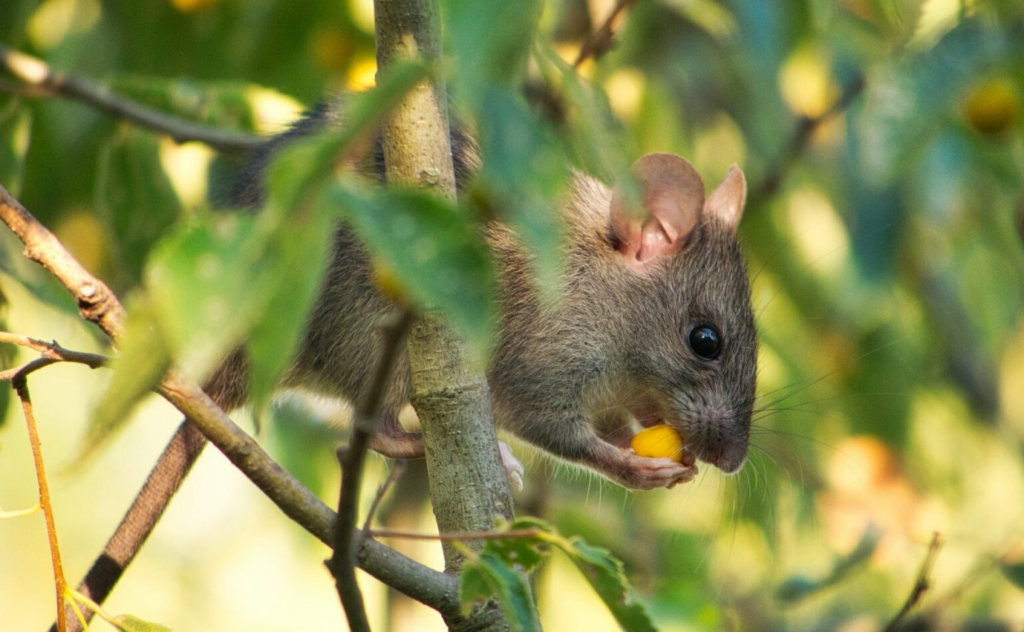
A food chain shows how organisms are interdependent in an ecosystem [1]. In other words, nutrients are dispersed and transformed through a chain of organisms that eat or are eaten by each other [2].
A food chain always starts with …
A food chain shows how organisms are interdependent in an ecosystem [1]. In other words, nutrients are dispersed and transformed through a chain of organisms that eat or are eaten by each other [2].
A food chain always starts with …

The Earth is divided into different layers, with the lithosphere being the solid surface, i.e. the crust and the upper part of the mantle, extending to a depth of about 100-150 kilometres [1].
The Earth’s crust is divided into seven …
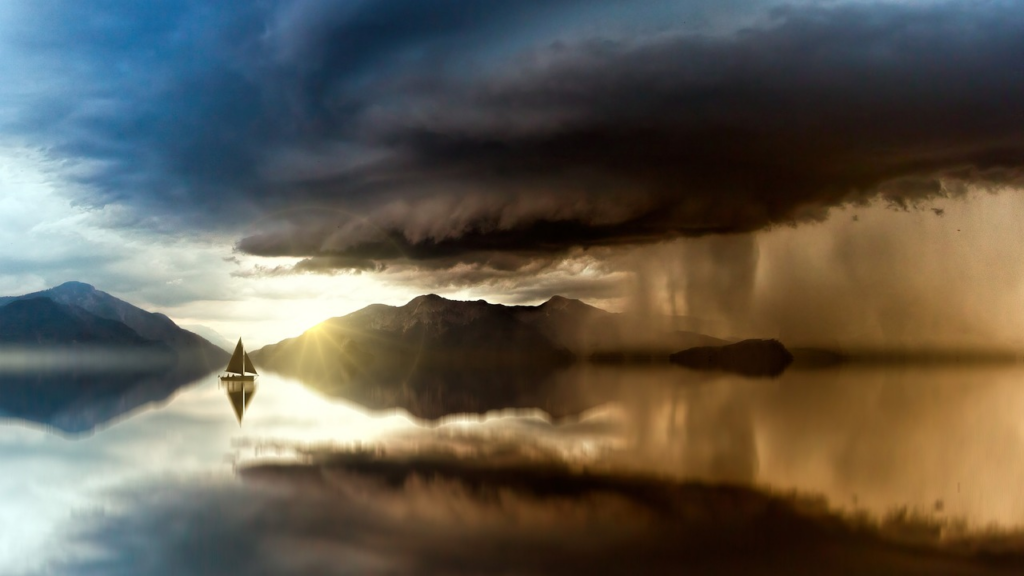
The biogeochemical cycle refers to the circulation of an element (e.g. carbon and nitrogen) or chemical compound (e.g. water) as it travels through different parts of an ecosystem. During its journey through nature, it is affected by living and …

Tellus or terra is Latin for soil or earth. So, the planet has the same name as the soil or earth in which we cultivate our food and all plants, emphasising the importance of healthy soil for the well-being of …

Earth, the third planet from the Sun in our solar system, is a unique and vibrant celestial body that sustains all life as we know it. With a diverse and interconnected ecosystem, it harbours an incredible array …

The hydrosphere includes all water on Earth in all its forms: liquid, frozen or vapour, meaning all water found in oceans, lakes, rivers, groundwater, ice, snow and glaciers. The biosphere also includes water bound up in life, such as the …


