• Skip to main content
  • Skip to footer

re-think.nu

  • About
    • Film
    • About Us
    • We are ReThink
    • Blog
      • Categories
        • Textile production
        • Textile consumption
        • Textile Recycling
        • Biodiversity
        • Earth’s resources
        • The Earth Spheres
        • Water
        • Organic
        • Chemicals
        • ReThink – Think Again
    • Tips
    • Links & Sources
      • Links
      • Textile Sources
      • Small Animals Sources
      • Plant Sources
      • Fungi Sources
  • TEXTILES
    • Textile Knowledge
    • Textile Recycling
    • Textile Dictionary
    • Rethink Fabric – Series
    • Fact Sheets
  • BIODIVERSITY
    • Small Animals
      • Small Animals Knowledge
      • Small Animals Dictionary
      • Small Animals Series
      • Small Animals Films
    • Plants
      • Plant Knowledge
      • Plant Dictionary
      • Think About Plants – The Spruce Tale
      • Films About Plants
    • Fungi
      • Fungi Knowledge
      • Fungi Dictionary
      • Fungi Film
      • ReThink Fungi
    • Microorganisms
  • Earth
    • Earth’s Spheres
    • Ecosystem – Biosphere
    • Resource Extraction – Industry
    • Earth Dictionary
  • DICTIONARY
  • CONTACT
    • Press
    • Support Us
    • Become a Member
    • Privacy policy
    • Donations & sponsorship
    • Collaborations
      • SIDA
      • Nature Conservation Society
      • Fabric to Fabric
      • Keep Sweden Clean
      • University of Linköping
  • Swedish
  • Instagram
  • Facebook
  • Youtube
  • Linkedin

Knowledge

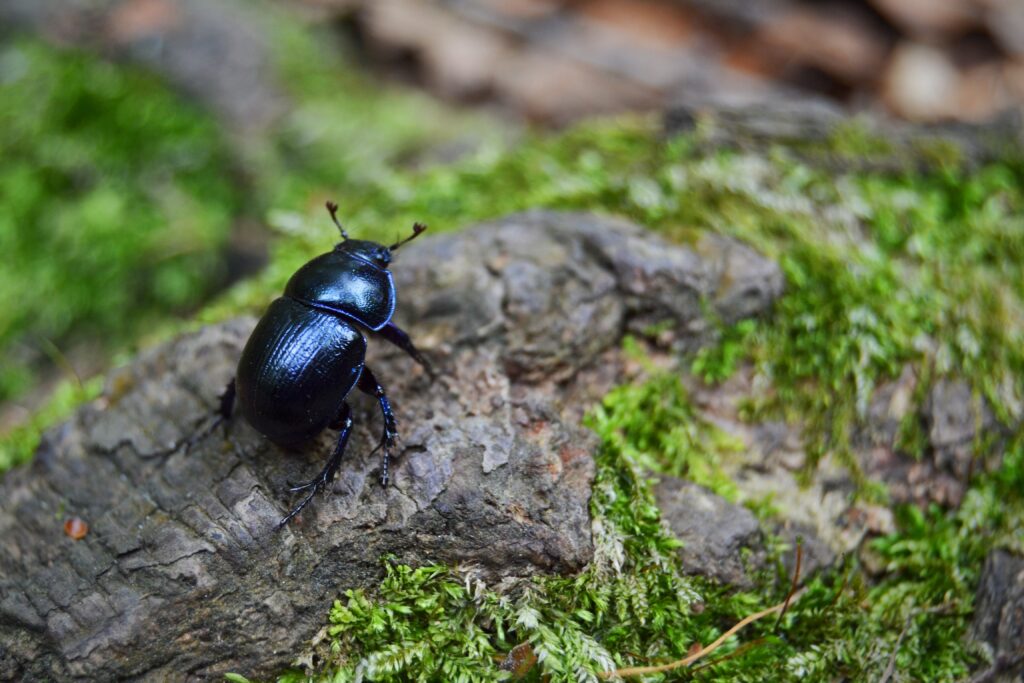
Ground Beetle (Carabidae)

Ground beetles are beetles and include several different species. They are fast and good at running, staying on the ground where they hunt other insects. Some species are predators, mainly the larger ones. They prefer small animals, such as insects …

Bumble Bee (Bombus)

Photo by Kristine Tanne

Bumble bees are a type of bee and belong to the group of insects that are essential pollinators for several types of habitats. They are our best pollinators, visiting all kinds of flowers and pollinating every …

Honey bee (Apis mellifera)

yellow and black honey bee on a pink and white flower, hazy background

Honey bees are essential pollinators that feed on nectar and pollen. This species is primarily responsible for supplying us with honey. One gram of honey takes about five days to produce, and a bee has to visit about 50,000 flowers …

Grasshopper

Grasshopper Green bug on green image
Photo by Elegance Nairobi

Grasshoppers play a key role in food webs as both consumers and prey. Their plant-eating behaviour accelerates the transfer of energy and the recycling of nutrients, helping maintain the balance and health of ecosystems. They live …

Wasps (Vespidae)

Yellow and black wasp with antennas and straight wings sucking pollen from a green and white flower. Blue and brown sunny background

Although many people find wasps unpleasant, they are vital for the balance of our ecosystems. Wasps provide benefits by controlling insect pests. As predators, they catch aphids and insect larvae to feed their larvae, but the adults mainly feed on …

Flies (Brachycera)

Photo by Kim Gorga

Many people find flies annoying as they fly everywhere, indoors and outdoors.

Many fly species serve as pollinators, even those overlooked by other pollinators. For instance, cocoa trees, essential for chocolate production, rely on these often …

  • « Go to Previous Page
  • Go to page 1
  • Interim pages omitted …
  • Go to page 17
  • Go to page 18
  • Go to page 19
  • Go to page 20
  • Go to page 21
  • Interim pages omitted …
  • Go to page 30
  • Go to Next Page »

Footer

  • Blog
  • ABOUT
  • Global Goals
  • Collaborations
  • About Us
  • Press
  • Instagram
  • Facebook
  • Youtube
  • Linkedin

Partly financed by

© re-think.nu | 2026

Copyright © 2026 · Atmosphere Pro on Genesis Framework · WordPress · Log in