• Skip to main content
  • Skip to footer

re-think.nu

  • About
    • Film
    • About Us
    • We are ReThink
    • Blog
      • Categories
        • Textile production
        • Textile consumption
        • Textile Recycling
        • Biodiversity
        • Earth’s resources
        • The Earth Spheres
        • Water
        • Organic
        • Chemicals
        • ReThink – Think Again
    • Tips
    • Links & Sources
      • Links
      • Textile Sources
      • Small Animals Sources
      • Plant Sources
      • Fungi Sources
  • TEXTILES
    • Textile Knowledge
    • Textile Recycling
    • Textile Dictionary
    • Rethink Fabric – Series
    • Fact Sheets
  • BIODIVERSITY
    • Small Animals
      • Small Animals Knowledge
      • Small Animals Dictionary
      • Small Animals Series
      • Small Animals Films
    • Plants
      • Plant Knowledge
      • Plant Dictionary
      • Think About Plants – The Spruce Tale
      • Films About Plants
    • Fungi
      • Fungi Knowledge
      • Fungi Dictionary
      • Fungi Film
      • ReThink Fungi
    • Microorganisms
  • Earth
    • Earth’s Spheres
    • Ecosystem – Biosphere
    • Resource Extraction – Industry
    • Earth Dictionary
  • DICTIONARY
  • CONTACT
    • Press
    • Support Us
    • Become a Member
    • Privacy policy
    • Donations & sponsorship
    • Collaborations
      • SIDA
      • Nature Conservation Society
      • Fabric to Fabric
      • Keep Sweden Clean
      • University of Linköping
  • Swedish
  • Instagram
  • Facebook
  • Youtube
  • Linkedin

Knowledge

Butterflies (Lepidoptera)

Cupido comyntas

Butterflies, with their many different colours and appearances, are beautiful to look at and fulfil several important functions in nature for our ecosystems and the environment. Butterflies are important pollinators that contribute to maintaining a natural balance by …

Dung Beetles

brown dung beetle on dry grass or soil background
Photo by Victor Grabarczyk

Dung beetles are beetles that thrive in pastures, and both live in and eat dung (poo from cows and other animals) and are very important for the environment. Dung beetles break down organic matter, plant cow …

Earthworms (Lumbricidae)

Foto: Franz Bachinger

Earthworms live in soil, mulch, and under rocks, mainly in wetter, more vegetative areas, as they depend on keeping their skin moist. Earthworms are hermaphrodites, which means they are bisexual. Their diet includes plant parts, fungal hyphae …

Aphid (Plant Louse)

Aphids(plant louse) are small insects that feed on plants. They range in size from 1-4 mm long [2]. Aphids cause more plant damage than all other insects. As a pest, aphids are also important as transmitters of viral diseases in …

Biological Diversity

Biological diversity, or biodiversity, is the very foundation of life on Earth. It encompasses a variety of life forms, from plants and animals to fungi and micro-organisms, and all the genetic variations within each species.

This diversity creates …

Bees (Apiformes)

Photo by Krzysztof Niewolny
Photo by Manuel T on Unsplash
Photo by Wolfgang Hasselmann

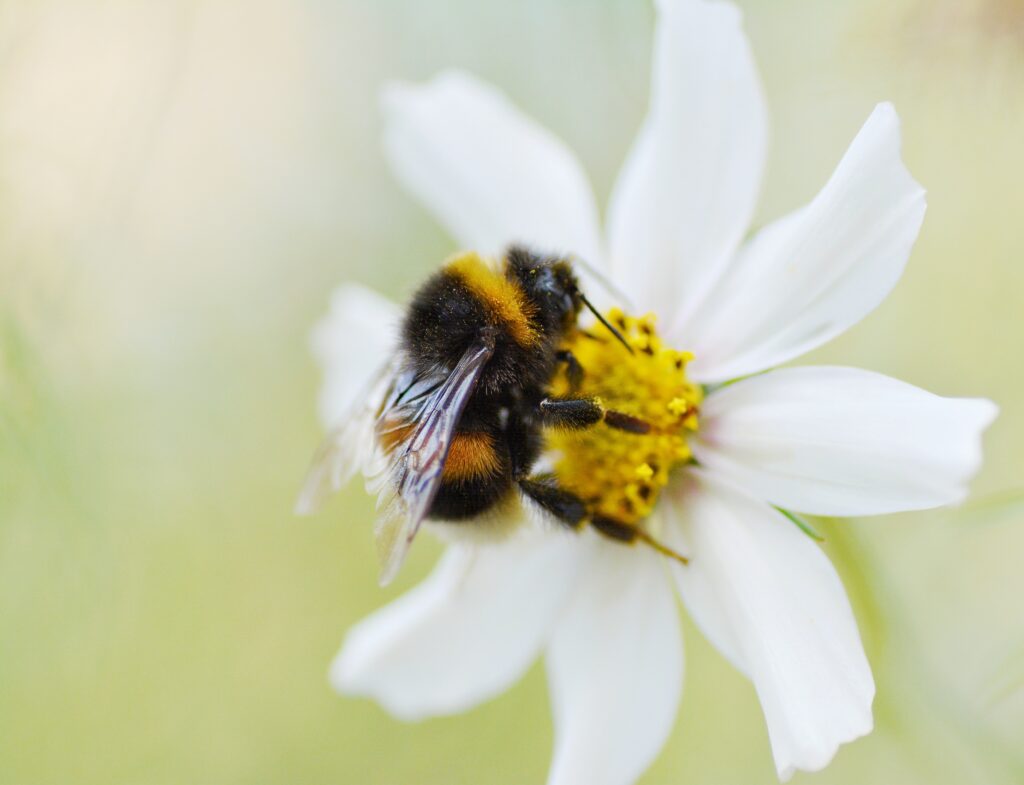
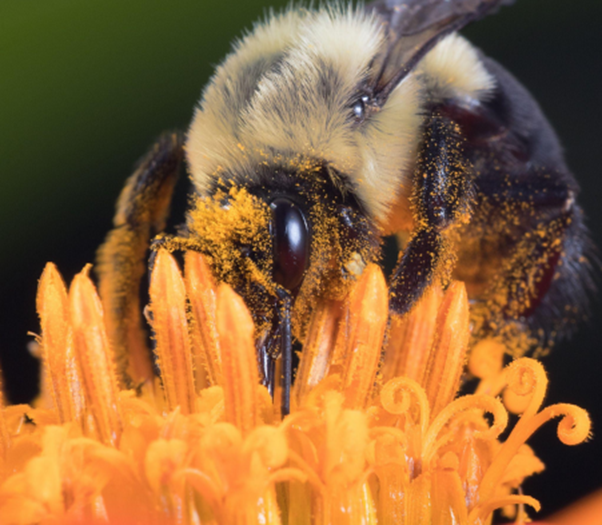
When we think of bees, we usually think of honeybees, but they are just a few of the 20,000 bee species found worldwide. For example, bumblebees …

  • « Go to Previous Page
  • Go to page 1
  • Interim pages omitted …
  • Go to page 18
  • Go to page 19
  • Go to page 20
  • Go to page 21
  • Go to page 22
  • Interim pages omitted …
  • Go to page 30
  • Go to Next Page »

Footer

  • Blog
  • ABOUT
  • Global Goals
  • Collaborations
  • About Us
  • Press
  • Instagram
  • Facebook
  • Youtube
  • Linkedin

Partly financed by

© re-think.nu | 2026

Copyright © 2026 · Atmosphere Pro on Genesis Framework · WordPress · Log in