Two-shaft weaving is the same as a single weave, i.e. the warp and weft cross over and under each other, giving a straight and straightforward structure.
Percale, Seersucker and Canvas are examples of woven fabrics in two-shaft.
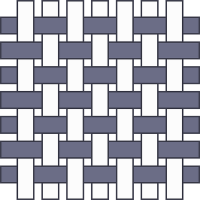
Two-shaft weaving is the same as a single weave, i.e. the warp and weft cross over and under each other, giving a straight and straightforward structure.
Percale, Seersucker and Canvas are examples of woven fabrics in two-shaft.
Plain weave is the simplest and most widely used weave. The warp and weft threads cross in this weave, alternating over and under each other. It is a 1 x 1 weave, which means it is the same on both …
Down is the soft, delicate and insulating layer of feathers that covers the bodies of birds, especially waterfowl such as ducks and geese. We often use down feathers as an insulating material in clothing, such as down jackets, and sleeping …


Nonwoven is an umbrella term for materials that are neither knitted nor woven but held together by mechanical, chemical or thermal (heat-based) methods. The material can then be treated in different ways to obtain desirable properties. For example, it can …
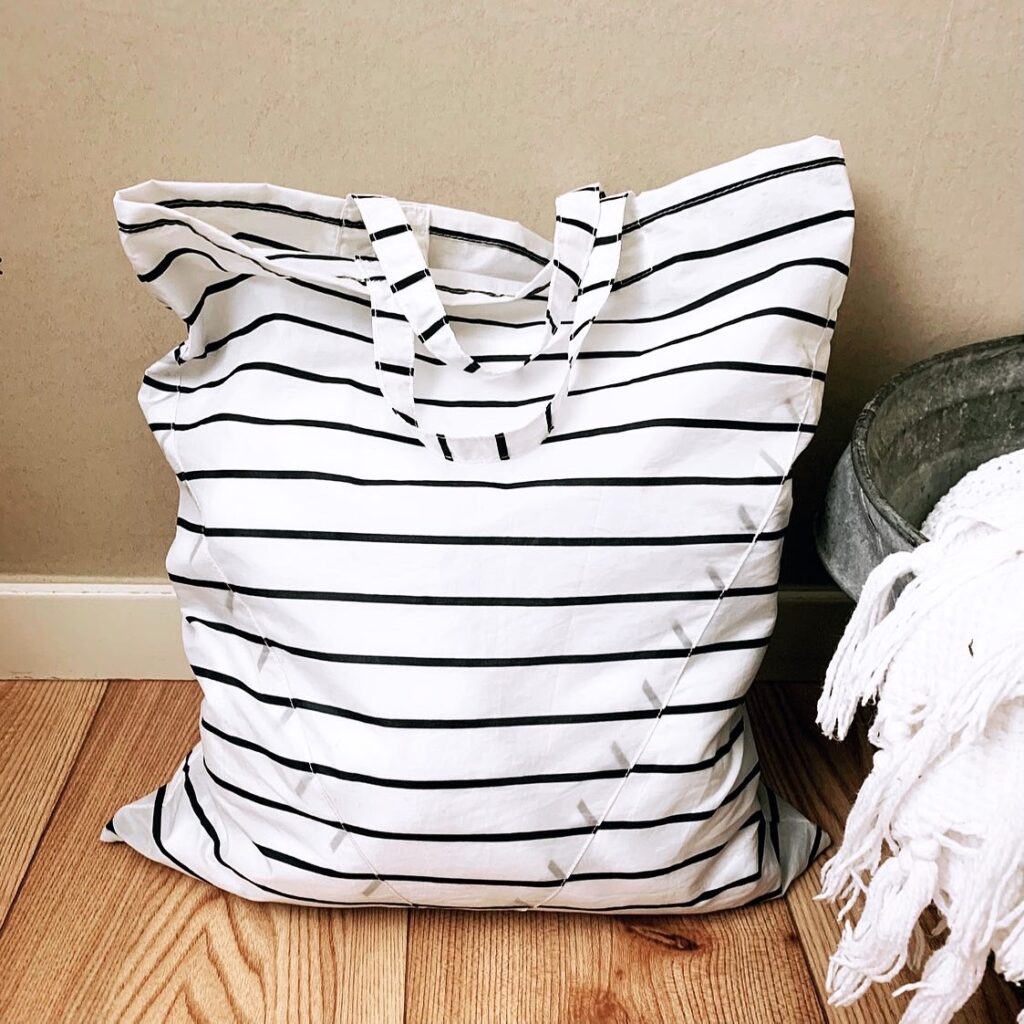
Upcycling means that a product or raw material is recycled into another material or transformed into products of higher or equivalent quality and value as the original material.
November 2023, TÄNKOM | …
Downcycling means we recycle an existing material into a new material or product of lower quality or function than its original use. Often, textile recycling results in lower functionality than its original use, such as fabrics becoming upholstery or nonwoven…


