• Skip to main content
  • Skip to footer

re-think.nu

  • About
    • Film
    • About Us
    • We are ReThink
    • Blog
      • Categories
        • Textile production
        • Textile consumption
        • Textile Recycling
        • Biodiversity & Ecosystem
        • Natural Resources
        • The Earth Spheres
        • Water
        • Organic
        • Chemicals
        • ReThink – Think Again
    • Tips
    • Links & Sources
      • Links
      • Textile Sources
      • Small Animals Sources
      • Plant Sources
      • Fungi Sources
  • TEXTILES
    • Textile Knowledge
    • Textile Recycling
    • Textile Dictionary
    • Rethink Fabric – Series
    • Fact Sheets
  • BIODIVERSITY
    • Small Animals
      • Small Animals Knowledge
      • Small Animals Dictionary
      • Small Animals Series
      • Small Animals Films
    • Plants
      • Plant Knowledge
      • Plant Dictionary
      • Think About Plants – The Spruce Tale
      • Films About Plants
    • Fungi
      • Fungi Knowledge
      • Fungi Dictionary
      • Fungi Film
      • ReThink Fungi
    • Microorganisms
  • Earth
    • Earth’s Spheres
    • Ecosystem – Biosphere
    • Resource Extraction – Industry
    • Earth Dictionary
  • DICTIONARY
  • CONTACT
    • Press
    • Support Us
    • Become a Member
    • Privacy policy
    • Donations & sponsorship
    • Collaborations
      • SIDA
      • Nature Conservation Society
      • Fabric to Fabric
      • Keep Sweden Clean
      • University of Linköping
  • Swedish
  • Instagram
  • Facebook
  • Youtube
  • Linkedin

Nonwoven


Nonwoven is an umbrella term for materials that are neither knitted nor woven but held together by mechanical, chemical or thermal (heat-based) methods. The material can then be treated in different ways to obtain desirable properties. For example, it can resemble textiles, paper or plastic, depending on the choice of fibre, manufacturing method and coatings. Many nonwoven products consist of polyester or plastics but can also include other fibres such as viscose, cellulose, wool, glass fibre or various blends.
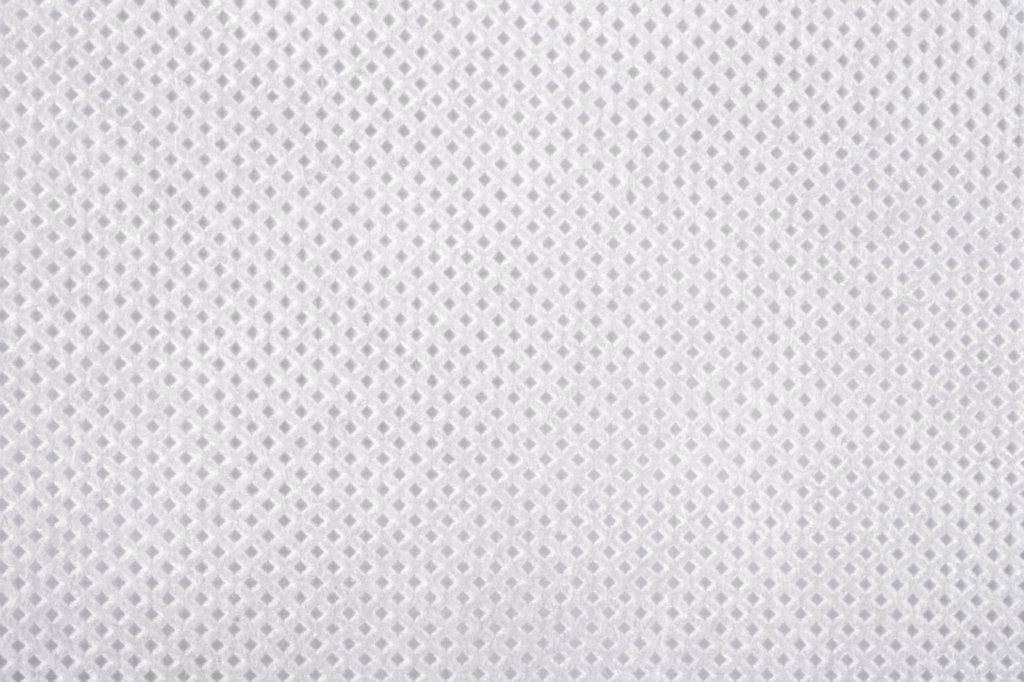
Typical structure of nonwoven
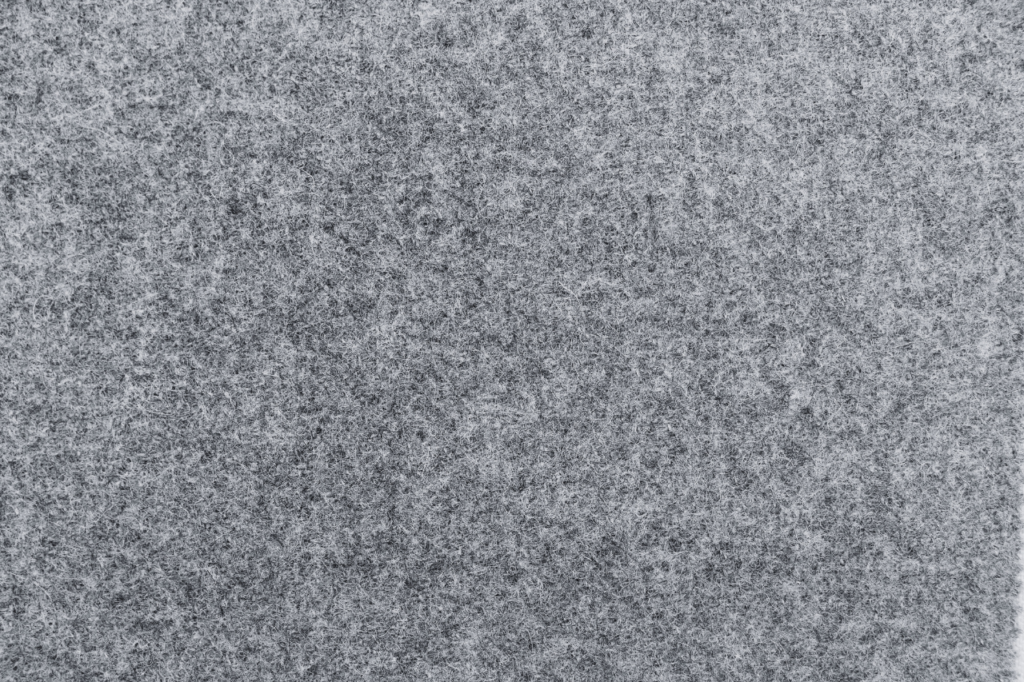
Felted wool

Felt also belongs to nonwoven and is among the oldest textiles in the world. They were initially made from animal hair by felting or tufting, usually wool. Today, needle felt can be made from many materials, including waste. We produce it by needles felting the fibres together, which then can be pressed or fused to make them stiffer.

Nonwoven fabrics are helpful in many industries, such as construction, furniture, automotive, healthcare, and food. Some common products are nonwoven fabrics, screen walls, air filters, wipes, nappies, hygiene products, plasters, tape, face masks, disposable clothing and sheets, coffee filters and tea bags.
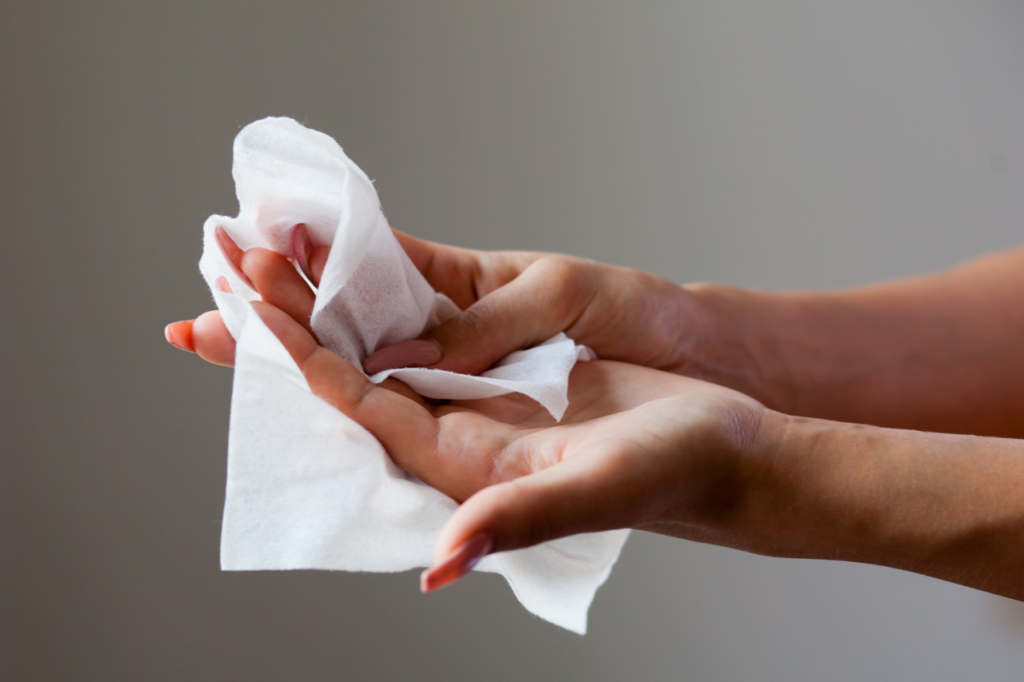

Much of today’s textile recycling results in nonwoven products, as the methods for upcycling textiles are limited. However, it is still an important part of respectfully utilising the Earth’s resources.

Sources

Fashionary – Textilepedia   “”””
Edana – What are nonwovens?   “”””
Eencyclopedia – Nonwoven Textiles “”””

January 2024, TÄNKOM | Revised May 2024 RETHINK

Footer

  • Blog
  • ABOUT
  • Global Goals
  • Collaborations
  • About Us
  • Press
  • Instagram
  • Facebook
  • Youtube
  • Linkedin

Partly financed by

© re-think.nu | 2026

Copyright © 2026 · Atmosphere Pro on Genesis Framework · WordPress · Log in