• Skip to main content
  • Skip to footer

re-think.nu

  • About
    • Film
    • About Us
    • We are ReThink
    • Blog
      • Categories
        • Textile production
        • Textile consumption
        • Textile Recycling
        • Biodiversity
        • Earth’s resources
        • The Earth Spheres
        • Water
        • Organic
        • Chemicals
        • ReThink – Think Again
    • Tips
    • Links & Sources
      • Links
      • Textile Sources
      • Small Animals Sources
      • Plant Sources
      • Fungi Sources
  • TEXTILES
    • Textile Knowledge
    • Textile Recycling
    • Textile Dictionary
    • Rethink Fabric – Series
    • Fact Sheets
  • BIODIVERSITY
    • Small Animals
      • Small Animals Knowledge
      • Small Animals Dictionary
      • Small Animals Series
      • Small Animals Films
    • Plants
      • Plant Knowledge
      • Plant Dictionary
      • Think About Plants – The Spruce Tale
      • Films About Plants
    • Fungi
      • Fungi Knowledge
      • Fungi Dictionary
      • Fungi Film
      • ReThink Fungi
    • Microorganisms
  • Earth
    • Earth’s Spheres
    • Ecosystem – Biosphere
    • Resource Extraction – Industry
    • Earth Dictionary
  • DICTIONARY
  • CONTACT
    • Press
    • Support Us
    • Become a Member
    • Privacy policy
    • Donations & sponsorship
    • Collaborations
      • SIDA
      • Nature Conservation Society
      • Fabric to Fabric
      • Keep Sweden Clean
      • University of Linköping
  • Swedish
  • Instagram
  • Facebook
  • Youtube
  • Linkedin

Knowledge

Filament

A filament is an incredibly or indefinitely long fibre. Silk thread exemplifies a natural filament. Manufactured fibers are transformed into filaments through pressing, and they are subsequently trimmed to achieve the desired length.

Drying silk thread

Source

Fashion Trendsetter – …

Fibre

Fibre is a set of long thread-like molecules that form the essential elements of textiles. We define a fibre as having a length of at least 100 times its width or diameter. To be spun into a yarn, the fibre …

Two-Shaft Weaving

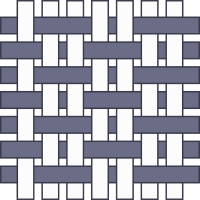
Two-shaft weaving is the same as a single weave, i.e. the warp and weft cross over and under each other, giving a straight and straightforward structure.

Percale, Seersucker and Canvas are examples of woven fabrics in two-shaft.

1 x
…

Plain Weave

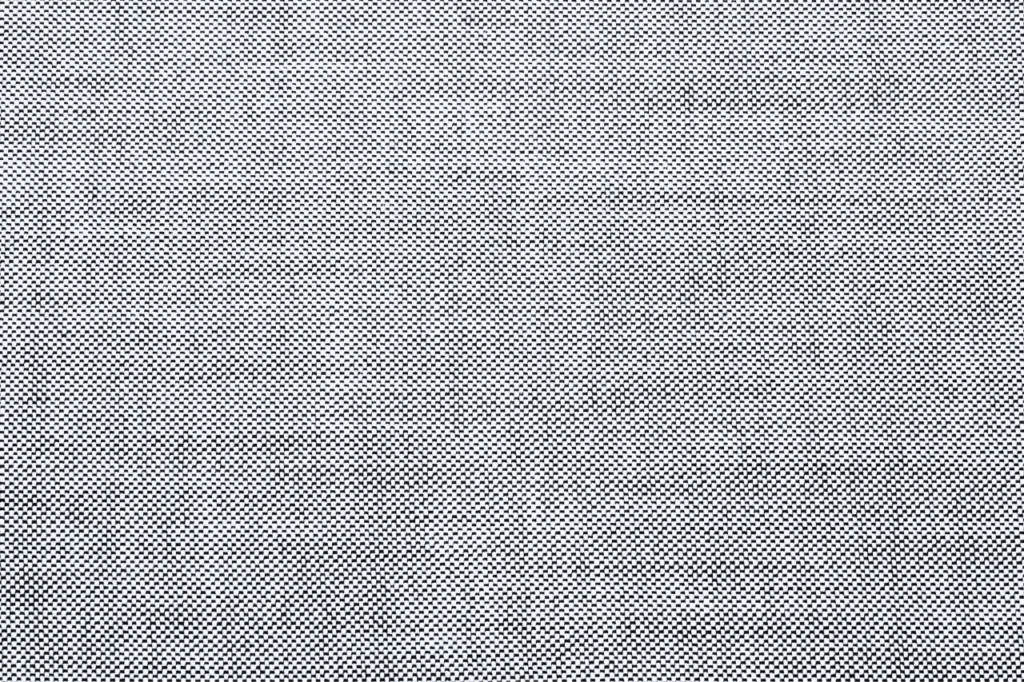
Plain weave is the simplest and most widely used weave. The warp and weft threads cross in this weave, alternating over and under each other. It is a 1 x 1 weave, which means it is the same on both …

Down


Down is the soft, delicate and insulating layer of feathers that covers the bodies of birds, especially waterfowl such as ducks and geese. We often use down feathers as an insulating material in clothing, such as down jackets, and sleeping …

Nonwoven


Nonwoven is an umbrella term for materials that are neither knitted nor woven but held together by mechanical, chemical or thermal (heat-based) methods. The material can then be treated in different ways to obtain desirable properties. For example, it can …

  • « Go to Previous Page
  • Go to page 1
  • Interim pages omitted …
  • Go to page 9
  • Go to page 10
  • Go to page 11
  • Go to page 12
  • Go to page 13
  • Interim pages omitted …
  • Go to page 30
  • Go to Next Page »

Footer

  • Blog
  • ABOUT
  • Global Goals
  • Collaborations
  • About Us
  • Press
  • Instagram
  • Facebook
  • Youtube
  • Linkedin

Partly financed by

© re-think.nu | 2026

Copyright © 2026 · Atmosphere Pro on Genesis Framework · WordPress · Log in