
No, of course not. But… to grow a kilo of cotton requires 1 to 1.5 kilos of chemicals and a pair of cotton pants weighs between 0.5 to 0.8 kilos [1], so…
For over an hour, these chemicals work …
No, of course not. But… to grow a kilo of cotton requires 1 to 1.5 kilos of chemicals and a pair of cotton pants weighs between 0.5 to 0.8 kilos [1], so…
For over an hour, these chemicals work …
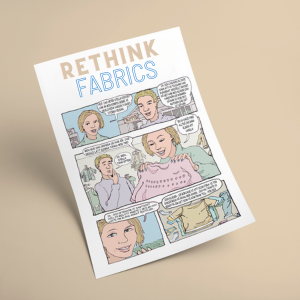
This week, we invite you to Stella and Sebbe in their thoughts on fabrics, how they make them, and how this affects animals, nature and people. Is it true that textiles and clothing affect the environment, and if so, in …

Here in the West, we don’t necessarily have to associate these words with each other. But water and toxins are unfortunately linked in other parts of the world. In Brazil, the world’s fourth most prominent user of agrochemicals, researchers have …
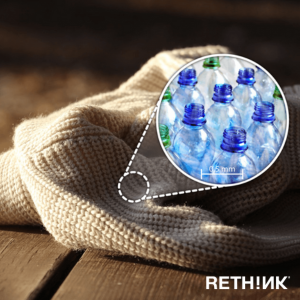
Yes, the fact is that most of your clothes contain “plastic”. Look at the label and what it says: polyester, nylon, lycra, elastane, and acrylic. These are common materials in our clothes and are usually called synthetic fibres. Synthetic fibres …

“100 million people in India do not have access to fresh drinking water, and we could cover 85% of India’s daily water needs with the water used to run the country’s cotton farms.”
– Stephen Leahy, International Environmental Journalist, The …


