Terry is a fabric with loops of yarn on its surface. The loops, which are central to the structure of the fabric, are created by a double weave, i.e., two warp systems. The loops can be uncut, giving the fabric …
Textile
Flannel
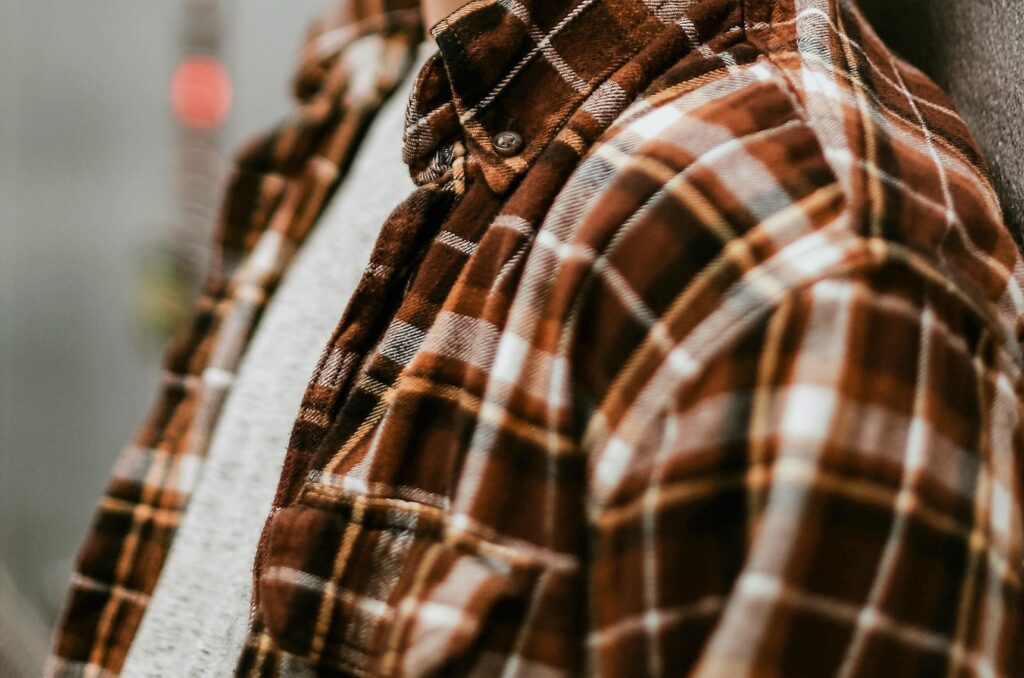
Flannel (fr. flanelle, from a Celtic word for wool) refers to the fabric’s surface rather than the material itself. Thus, flannel can be made from different types of fibres, but its brushed or combed surface gives it its characteristic softness …
Filament
A filament is an incredibly or indefinitely long fibre. Silk thread exemplifies a natural filament. Manufactured fibers are transformed into filaments through pressing, and they are subsequently trimmed to achieve the desired length.

Source
Fibre
Fibre is a set of long thread-like molecules that form the essential elements of textiles. We define a fibre as having a length of at least 100 times its width or diameter. To be spun into a yarn, the fibre …
Two-Shaft Weaving
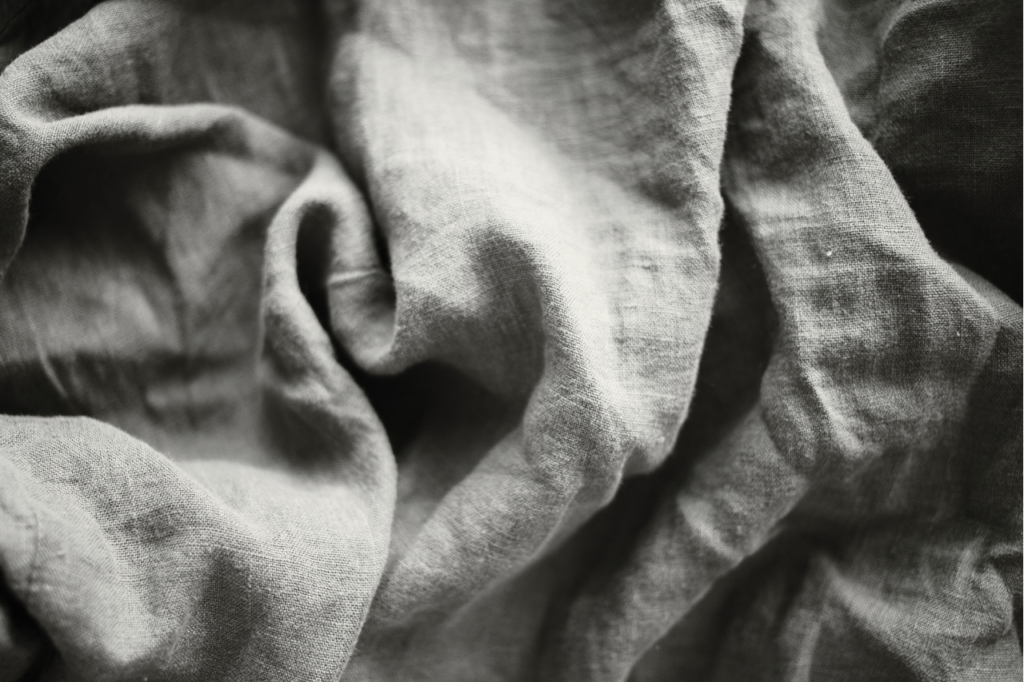
Two-shaft weaving is the same as a single weave, i.e. the warp and weft cross over and under each other, giving a straight and straightforward structure.
Percale, Seersucker and Canvas are examples of woven fabrics in two-shaft.
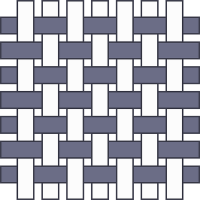
Plain Weave
Plain weave is the simplest and most widely used weave. The warp and weft threads cross in this weave, alternating over and under each other. It is a 1 x 1 weave, which means it is the same on both …


