• Skip to main content
  • Skip to footer

re-think.nu

  • About
    • Film
    • About Us
    • We are ReThink
    • Blog
      • Categories
        • Textile production
        • Textile consumption
        • Textile Recycling
        • Biodiversity
        • Earth’s resources
        • The Earth Spheres
        • Water
        • Organic
        • Chemicals
        • ReThink – Think Again
    • Tips
    • Links & Sources
      • Links
      • Textile Sources
      • Small Animals Sources
      • Plant Sources
      • Fungi Sources
  • TEXTILES
    • Textile Knowledge
    • Textile Recycling
    • Textile Dictionary
    • Rethink Fabric – Series
    • Fact Sheets
  • BIODIVERSITY
    • Small Animals
      • Small Animals Knowledge
      • Small Animals Dictionary
      • Small Animals Series
      • Small Animals Films
    • Plants
      • Plant Knowledge
      • Plant Dictionary
      • Think About Plants – The Spruce Tale
      • Films About Plants
    • Fungi
      • Fungi Knowledge
      • Fungi Dictionary
      • Fungi Film
      • ReThink Fungi
    • Microorganisms
  • Earth
    • Earth’s Spheres
    • Ecosystem – Biosphere
    • Resource Extraction – Industry
    • Earth Dictionary
  • DICTIONARY
  • CONTACT
    • Press
    • Support Us
    • Become a Member
    • Privacy policy
    • Donations & sponsorship
    • Collaborations
      • SIDA
      • Nature Conservation Society
      • Fabric to Fabric
      • Keep Sweden Clean
      • University of Linköping
  • Swedish
  • Instagram
  • Facebook
  • Youtube
  • Linkedin

Knowledge

Triacetate


Triacetate is an artificial fibre made from cellulose, like acetate. It is easier to care for than acetate, so it is more resistant to heat and washing and usually does not need to be ironed. People favour triacetate for its …

Sisal


Sisal is a leaf fibre from the sisal plant, which originates from Mexico and Central America. It is hard, durable, and strong, with a coarse texture and a glossy finish. It is naturally creamy white and about one metre long.…

Satin
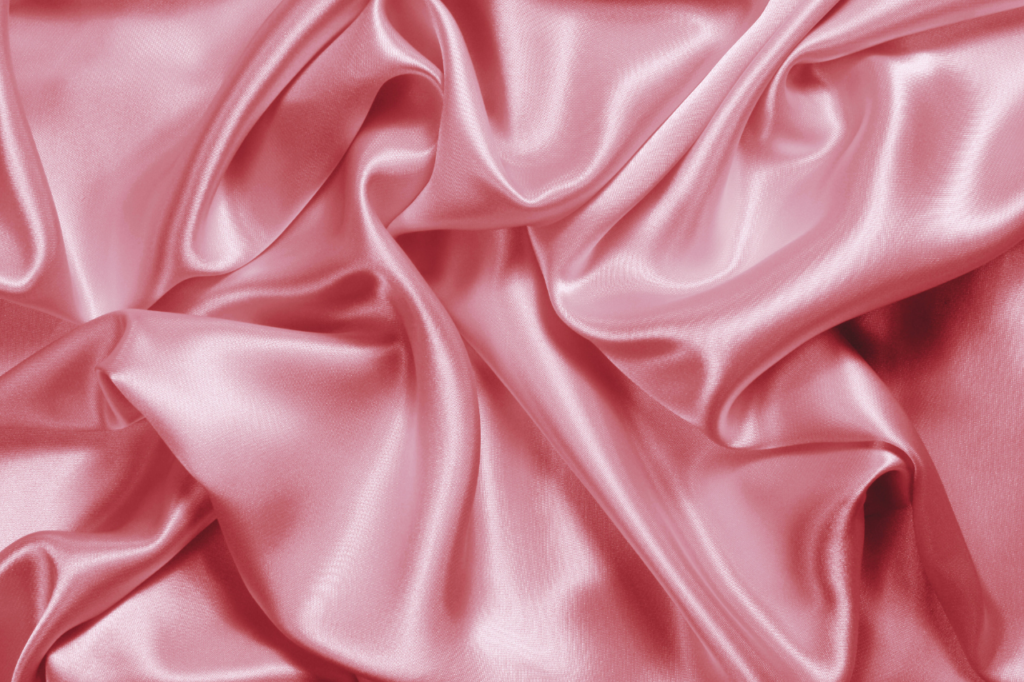
Satin is the third basic weaving technique. It is similar to chenille, but the weaving points are spaced apart so that the diagonal line is not present, and the fabric is dense, smooth, and lustrous. In the most common form …

Polymer

A polymer is a chemical compound with long chains of repeating smaller units. Cellulose, protein, starch and rubber are examples of natural polymers, while plastics such as polyester are artificial polymers.
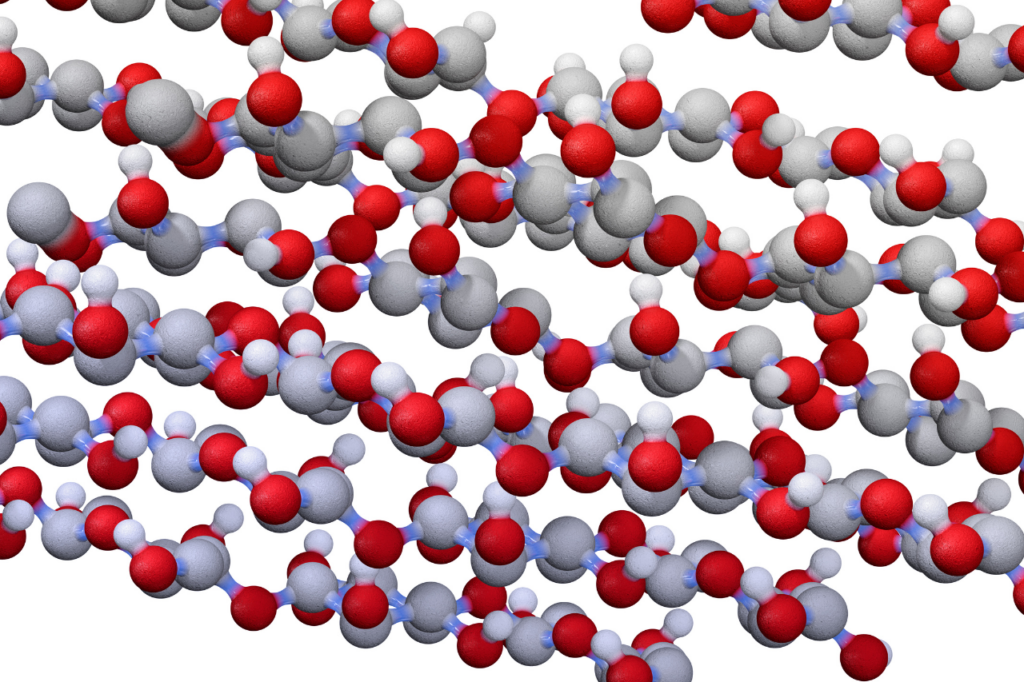
December 2023, TÄNKOM | Revised March 2024 RETHINK…

Percale

Percale is a type of plain weave, or two-shaft weaving, characterised by its dense and even weave structure. It is woven with the same number of threads in the warp as the weft, giving it a smooth and even surface. …
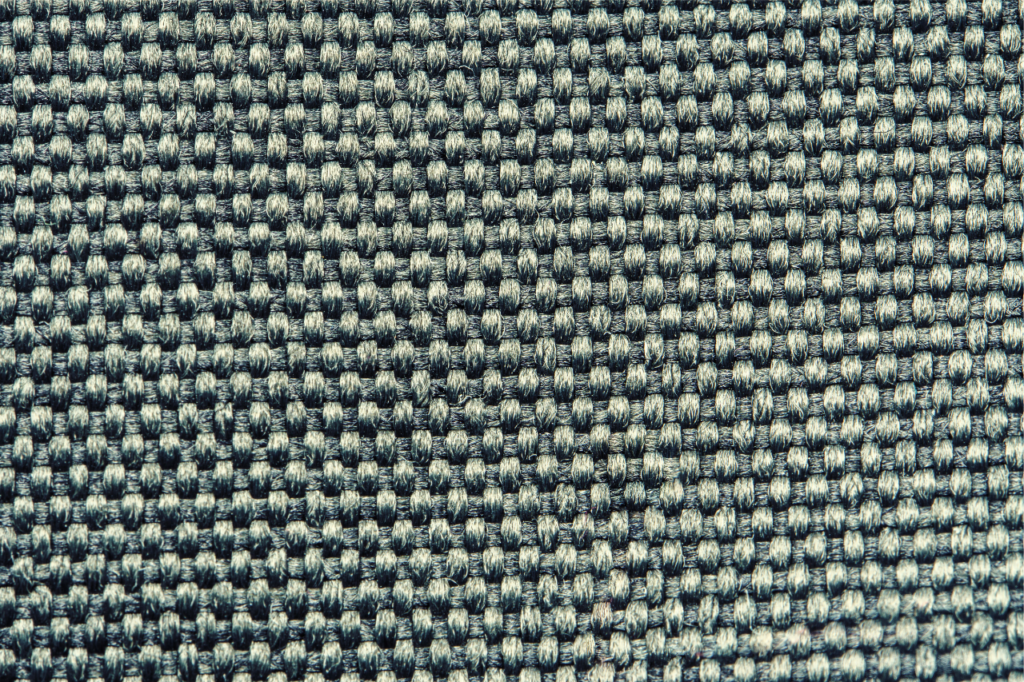
Basket Weave

Basket weaving is a technique that creates a pattern similar to a basket. The technique involves braiding two or more warp threads as a unit with one or more weft threads. The weaving technique produces a regular and repeating pattern …

  • « Go to Previous Page
  • Go to page 1
  • Interim pages omitted …
  • Go to page 8
  • Go to page 9
  • Go to page 10
  • Go to page 11
  • Go to page 12
  • Interim pages omitted …
  • Go to page 32
  • Go to Next Page »

Footer

  • Blog
  • ABOUT
  • Global Goals
  • Collaborations
  • About Us
  • Press
  • Instagram
  • Facebook
  • Youtube
  • Linkedin

Partly financed by

© re-think.nu | 2026

Copyright © 2026 · Atmosphere Pro on Genesis Framework · WordPress · Log in