
Rami, or Chinese grass as we also call it, is a stalked fibre originating from China and East Asia. It belongs to the nettle family and resembles common nettle, but lacks the burning hairs on the leaves. Rami is one …
Rami, or Chinese grass as we also call it, is a stalked fibre originating from China and East Asia. It belongs to the nettle family and resembles common nettle, but lacks the burning hairs on the leaves. Rami is one …

Mohair comes from the fur of the angora goat and is considered one of the oldest textile fibres originating in the mountains of Tibet, where the angora goats originate. The goats were introduced to Turkey in the 17th century and …
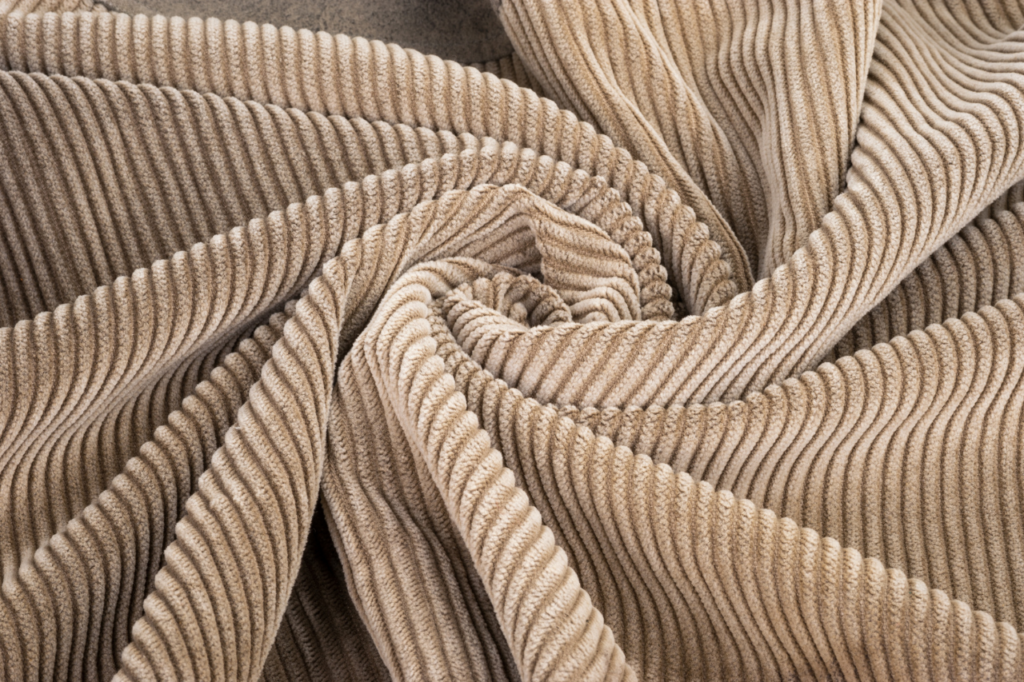
Corduroy, also called Manchester in some parts of Europe, is a soft, velvety fabric with a characteristic ribbed pile that can vary in width. Corduroy is shaped by weaving into parallel rows of raised ridges called wales, which run vertically …
Leather or hide comes from animal skins. It is a natural material that is durable and long-lasting if properly cared for. It is breathable, soft and pliable, making it suitable for footwear, for example, as it adjusts to the shape …
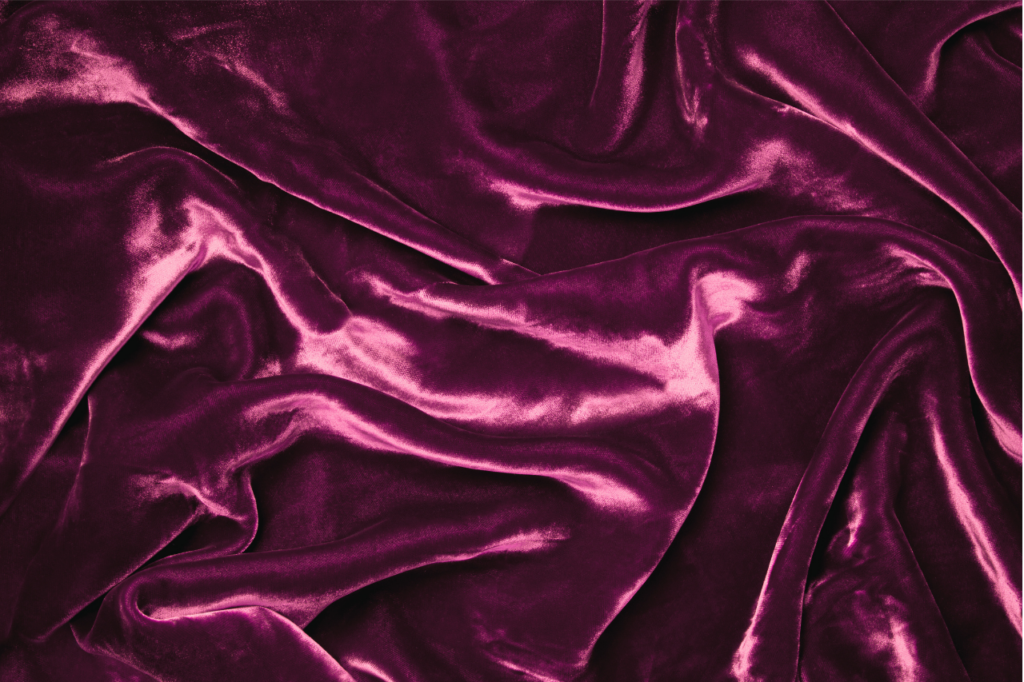
Velvet has a luxurious feel both in appearance and texture. Thanks to the dense and short pile, the fabric has a nice lustre that gives it a soft feel.
Velvet was originally made from silk, making it very expensive …


Latex is a natural substance extracted from the sap of rubber trees. As the demand for latex increased during the 20th century and especially during the Second World War, researchers conducted intensive research to develop synthetic latex successfully. Since then, …


