
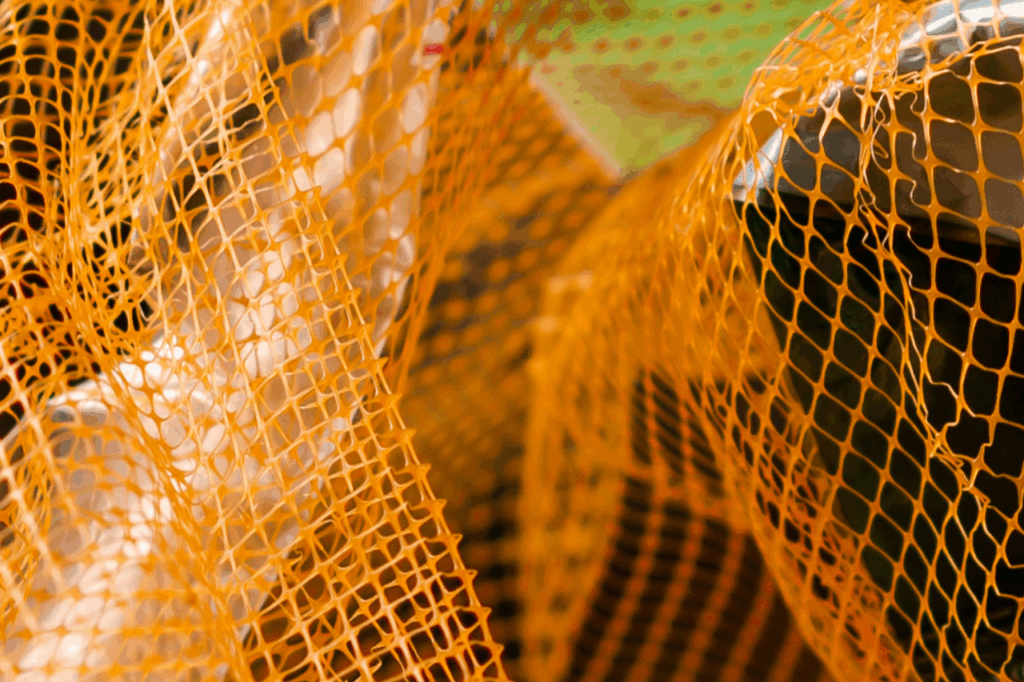
Polyethene, or PE, is a type of plastic made from ethylene and extracted from oil or natural gas. PE is one of the most common types of plastic because it is inexpensive to manufacture. Its simple molecular structure, consisting of …
Polyethene, or PE, is a type of plastic made from ethylene and extracted from oil or natural gas. PE is one of the most common types of plastic because it is inexpensive to manufacture. Its simple molecular structure, consisting of …

Plastic is made from polymers, which may be synthetic, semi-synthetic, or biobased. Plastics’ main property is their plasticity, making it easy to mould, extrude, or press into solid objects of various shapes. The versatility of plastic derived from fossil …

Polypropylene (PP), olefin fibre in the textile industry, is a type of thermoplastic polymer resin made by polymerising propylene gas, a byproduct from crude oil refining. The discovery of a stereoselective polymerization in 1954 led to the production of large-scale …

Polyethene terephthalate (PET) is one of the most used plastics in the world due to its known cost-effectiveness, durability, and lightweight properties. PET was first developed in the 1940s by British chemists John Rex Whinfield and James Tennant Dickson. Initially …
Polyamide is a synthetic material invented in the 1930s and patented by the American company DuPont. As one of the first fully synthetic fibres, it revolutionised textiles with its strength, elasticity, and versatility, becoming widely used in clothing, ropes, nets, …

Tencel is a brand of lyocell, a regenerated fibre made from wood pulp and produced by the company Lenzing.
Sources
ReThink- Lyocell
Tencel – The Tencel fabric 
Good on You – How ethical is Tencel?
November 2024, TÄNKOM | …


