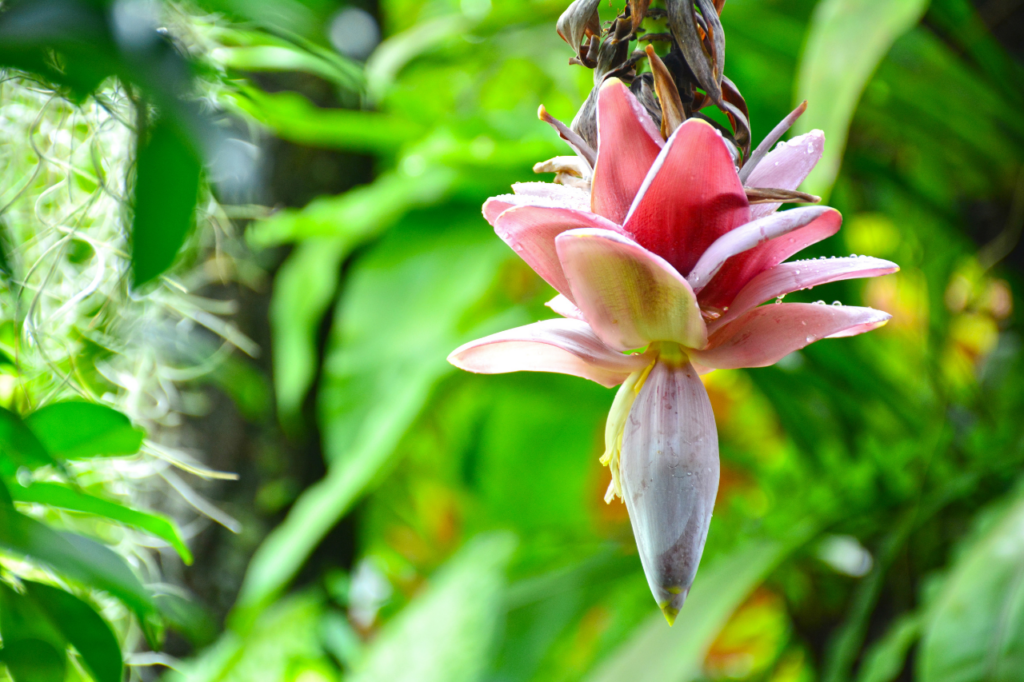
Most of the plants we see around us are flowering plants, also known as angiosperms. They differ from so-called gymnosperms, such as conifers, in that their seeds are formed inside a flower, rather than on the outside as in cones.
Flowering plants are the largest and most dominant group of all vascular plants. They are by far the most important source of food from the plant kingdom for both humans and animals, and include almost all crops, fruits, vegetables, legumes, cereals and nuts.
All textile plant fibres – that is, fibres that come directly from nature and can be spun into thread from their original form – are also flowering plants. Cotton, jute, hemp, sisal, ramie and flax are some examples.
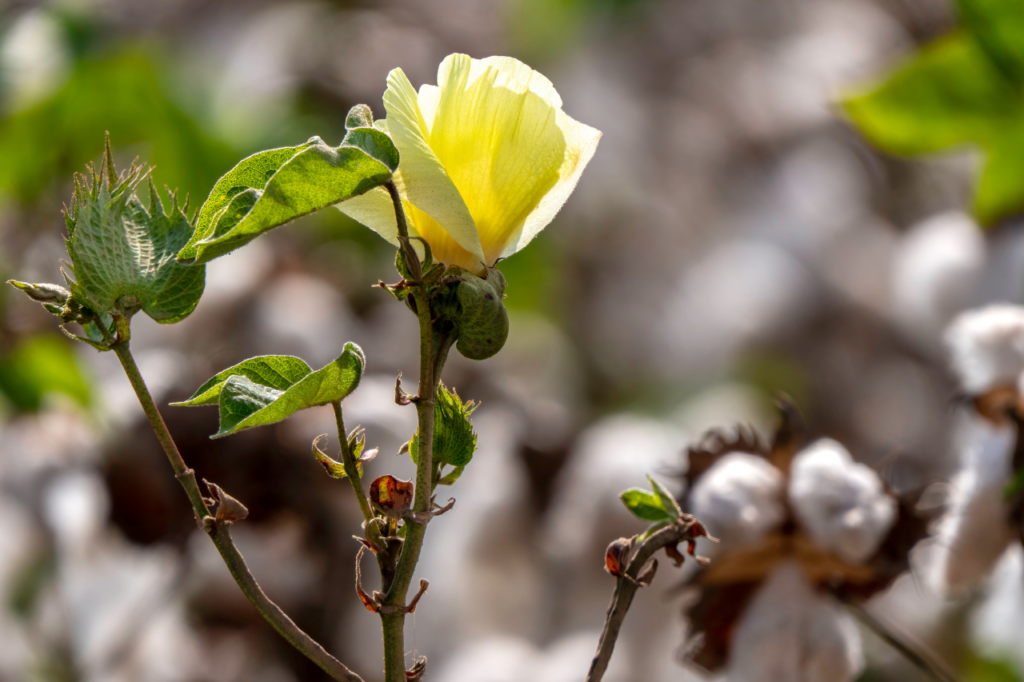
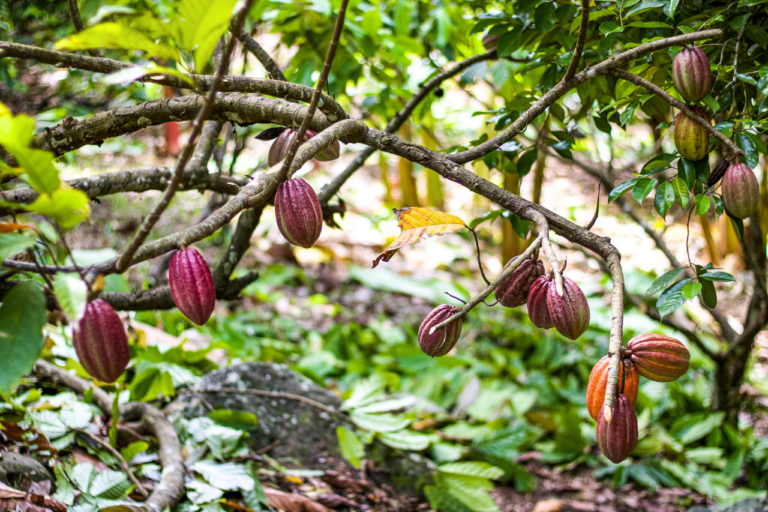
Broadleaf trees such as beech, birch, aspen, and eucalyptus, which are used to produce regenerated fibres such as viscose, lyocell, and modal, also belong to this group of plants. The rubber tree is a flowering plant known for producing natural latex. Similarly, the Indigofera tinctoria legume, used to make indigo dye, is also a flowering plant.
The diversity of shapes and species found among flowering plants is greater than in any other group of plants, with over 300,000 species divided into more than 400 families. But what they all have in common is that, just like other vascular plants, they have roots, stems and leaves containing vascular tissue that transports water and nutrients. As the name suggests, they also have flowers, which is how these plants reproduce. They usually consist of petals, stamens and a pistil.
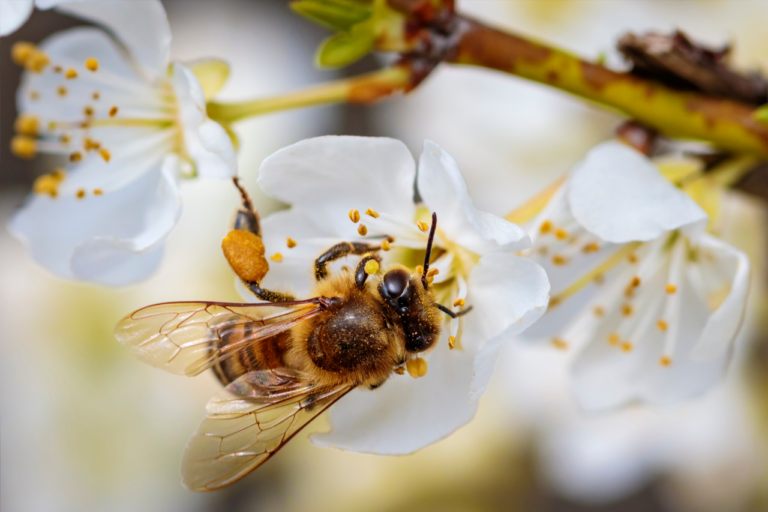
For flowering plants to produce fruit and berries or form seeds and nuts, they need to flower. If an apple tree does not flower, it cannot produce any apples. In many cases, these flowers are also directly dependent on, or at least benefit from, pollinators such as bumblebees, bees, butterflies and other insects, as well as birds, in order to be fertilised and spread their pollen.
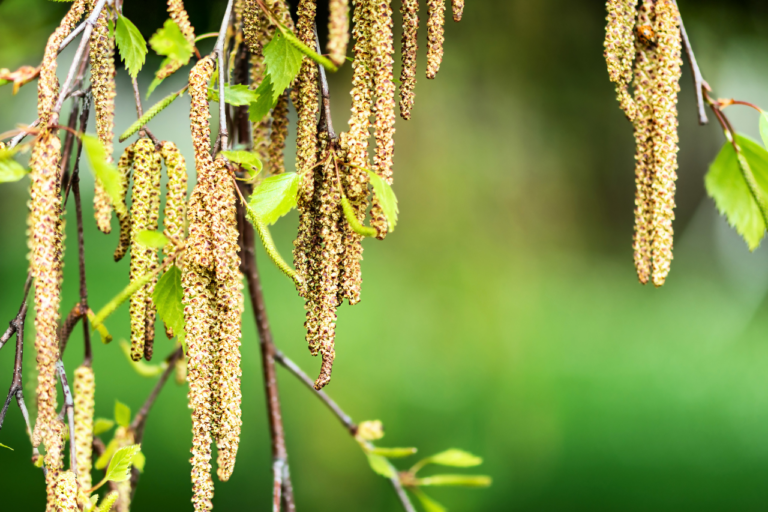
Flowers often use bright colours or strong scents to attract these pollinators. Other species, such as grasses, birch trees and many other trees, rely on the wind to disperse their pollen. Once the flower has been pollinated, a seed forms, and usually a fruit develops to protect the seed. As the fruit ripens, the seeds can be carried by the wind, water, or animals – and a new plant can begin to grow.
Common types of plant fibres and crops, classified by family
- The Mallow family (Malvaceae): cotton, jute, kapok, cocoa
- The Hemp family (Cannabaceae): hemp, hops
- The Palm tree family (Arecaceae): coco
- The Flax family (Linaceae): linen
- The Agave family (Asparagaceae): sisal, agave
- The Banana plant family (Musaceae): manila hemp, banana
- The Grass family (Poaceae): bamboo, wheat, oats, barley, rye, rice, maize, sugar cane
- The Beech family (Fagaceae): beech, oak, chestnut
- The Myrtle family (Myrtaceae): eucalyptus, cloves
- The Spurge family (Euphorbiaceae): rubber tree
- The Legume family (Fabaceae): indigo, peas, beans, lentils, chickpeas, peanuts, soya beans, clover
Sources
Species Data Bank – Vascular plants
Britannica – Angiosperm
Skogsaktuellt – Wood-based textiles are on the rise
Wikipedia – Flowering Plants
Science Learning Hub – Pollination and fertilisation
ReThink – Plant Knowledge
April 2026, TÄNKOM | Revised June 2026 ReThink


