By 2050, we expect a 150 percent growth in the demand for new fibers, which is constantly increasing globally [1]. We have reached the limit for the amount of cotton produced, mainly because more water and land areas are needed to increase production further. And synthetic fibers from fossil raw materials, such as polyester, acrylic, and elastane, can also not be described as the textiles of the future. We anticipate a significant increase in the use of forest-derived fibers as industries beyond textiles shift towards a more bio-based economy. In this future, where fossil fuels are no longer a significant resource, wood and paper products are expected to replace plastic and concrete in various applications.
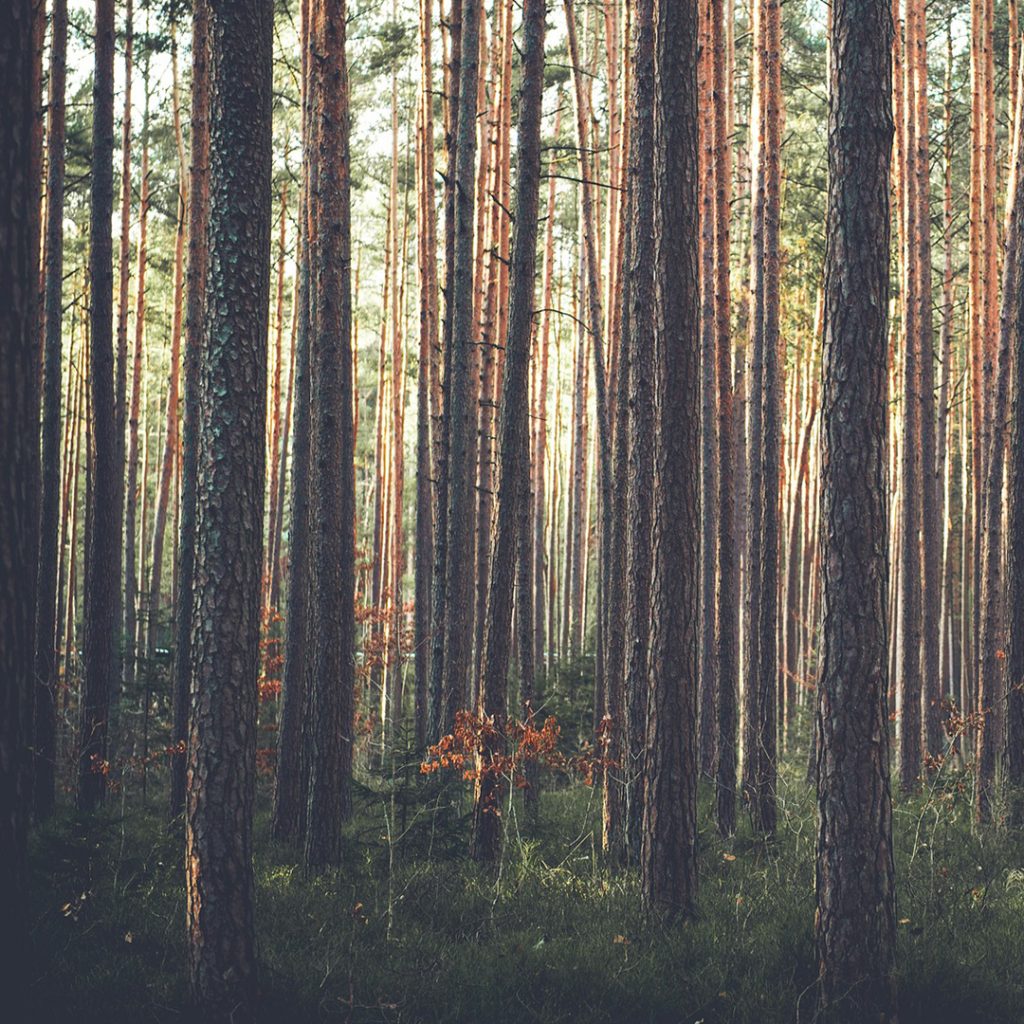
Many regard wood-based textiles as a more sustainable choice due to the renewability of wood as a raw material. Replacing petroleum-based products with wood and paper-based alternatives would be a positive environmental move. However, as we envision a future where forests must meet a growing demand for products, questions arise about the nature of these forests. Some experts have raised concerns about the impact of extracting more and more resources from forests and how it might affect their long-term health and viability.
ALL OVER THE WORLD, SPECIES ARE DISAPPEARING AT AN EVER FASTER RATE
IPBES is the biodiversity equivalent of the IPCC in the climate [2]. Last year, they released a significant report describing the state of the earth’s animals, plants, and ecosystems. The report reveals that nearly one million species are at risk of extinction if we do not decrease the use of forests. It is easy to think that the threats to biodiversity are a distant problem relevant in rainforests in faraway countries.
The UN Convention on Biological Diversity mandates a minimum coverage of 17 percent of the land area for protected areas [3]. Despite being home to a vast array of species, forest ecosystems receive the least proportion of protection. Internationally, our protected forests account for six percent of the productive forest area [4]. Regarding protected nature, countries like Sweden rank lower than deforestation hotspots such as Brazil and Malaysia, despite often being regarded as environmentally friendly [5].
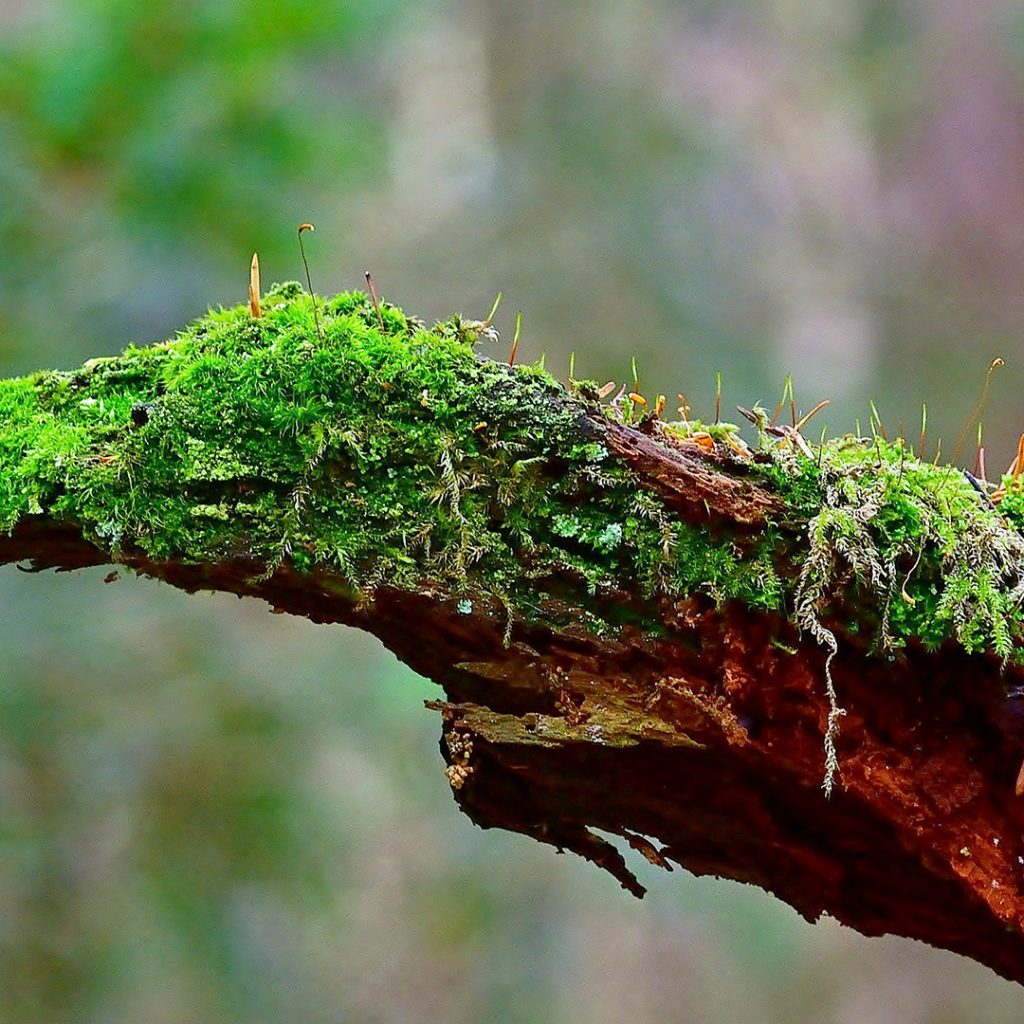
In Sweden, the prevailing excuse revolves around a system where forest owners sell their forests voluntarily, leading to a need for more assurance regarding long-term protection. Furthermore, the documentation of these voluntary provisions needs to be improved, resulting in more information to evaluate the quality and quantity of the protected areas [6].
Many forest-rich countries have used their forests for cultivation for centuries, making the proportion of unaffected natural forests today very small. Since the 1950s, 60 percent of forests have been felled [6]. This means that a large part of the forest is very young and consists primarily of spruce and pine plantations. Many of the woods have yet to reach a fellable age, meaning the forest industry is interested in felling the remaining older forests are finding it increasingly difficult to survive [7]. Species-rich environments (such as older deciduous forests, wetlands & swamp forests) have disappeared in many places and thus also the habitat for many species [3].

Intensive forestry poses a significant threat to biodiversity, with alarming statistics from the Species Data Bank estimating that one in ten species in the Swedish forest is now red-listed. Over 900 species are endangered primarily due to forestry practices [8]. While the forest industry emphasizes the planting of two new trees for every felled one, it remains impossible to replace an old, species-rich forest with a spruce plantation. In this regard, the forest is not genuinely renewable, especially in the short term.
IT DOES NOT JUST LOOK DARK IN SWEDISH FORESTS
Even if it is slow, more and more forests are being formally protected [3]. In the last six years, for example, 23 new Natura 2000 sites have been added [9]. However, according to the Swedish Forest Agency, it has also become more common to leave dead trees, and the trees remain in the forest for environmental reasons, which is essential for biodiversity [10].
Several organizations are working to conserve and restore forests. For instance, ABT – a company founded by WWF-Indonesia, operates an ecosystem restoration concession that aims to conserve and restore forests while supporting local communities. Over time, the accommodation has successfully reduced deforestation rates. However, ongoing challenges persist, necessitating ongoing protection efforts. ABT collaborates with Indigenous peoples and local communities, promoting sustainable agroforestry and forest conservation. These initiatives contribute to the preservation of critical habitats for endangered wildlife [11].
Sources
- Worldwildlife.org – The cotton industry

- IPBS – The Global Assessment
- WWF Panda – IUCN’s Red List
- World Resource Institute – Global Forest Review
- Worldbank – World Development Indicators: Deforestation and Biodiversity
- EEA – How are European Forests
- Cultural Survival – Deforestation, human cost
- WorldBank Data Catalog – Global species database
- EEA Europa Natura 2000 – protected areas network
- Science Direct – Dead Trees
- World Wildlife – Threat – Deforestation


