

Natural fibres are fibres that come directly from nature and can be spun into yarn and made into textiles without first having to be broken down or chemically processed. Humans have used them for thousands of years, and they remain an important part of today’s textiles. Examples of natural fibres include cotton, flax, wool and silk.
Natural fibres have two main groups: plant fibres and animal fibres. Plant fibres, such as cotton and flax, come from various parts of plants, including seed pods and stems. Animal fibres, such as wool and silk, come from animals, such as sheep or silkworms.

Variations and characteristics
Natural fibres vary greatly in both appearance and properties depending on their origin. A cotton fibre is usually between one and six centimetres long, whereas a silk fibre can be several hundred metres long and is known as a filament.
As natural fibres are living materials, they will be impacted by their surroundings. Colour, texture and quality can vary depending on factors such as soil type, climate and how we process the fibre. Flax (linen), for example, can take on different shades depending on soil properties and conditions during cultivation and rotting.
In general, natural fibres are known for being breathable, comfortable and moisture-wicking. At the same time, each type of fibre has its own unique attributes: cotton is soft and absorbent, wool keeps you warm even when damp, and linen is durable and has a cooling effect.
Biodegradability and the circular economy
Untreated natural fibres are biodegradable, meaning they can break down in the environment through the action of microorganisms. Factors such as temperature, humidity, and the availability of oxygen and microorganisms affect the rate of decomposition. In nutrient-rich soil, the process can be relatively rapid, depending on the material, whilst decomposition in cold, oxygen-poor environments, such as the sea, can take considerably longer.
However, chemical treatments or synthetic dyes can hinder decomposition and risk releasing toxins into the environment. When natural fibres are produced and processed in harmony with nature’s own processes, they can become part of a biological cycle. For example, wool can decompose within 6–12 months, and undyed flax can decompose as quickly as 2 weeks under favourable conditions, whilst also providing nutrients to the soil.
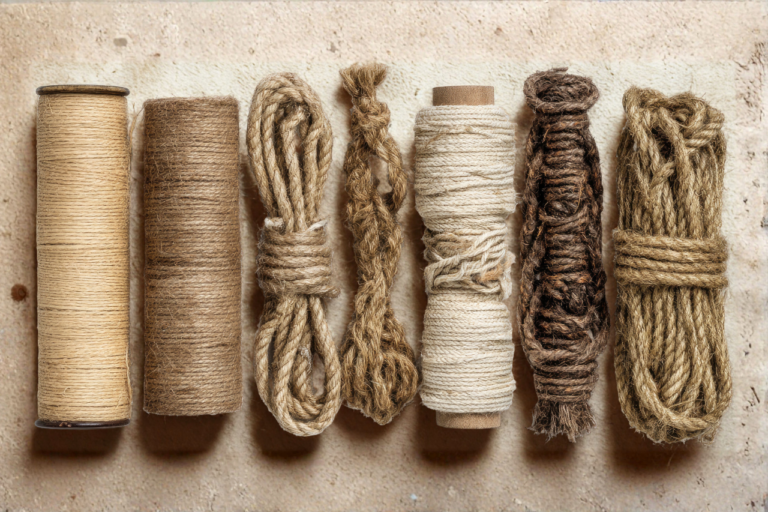
Ropes and twines made from various plant fibres.
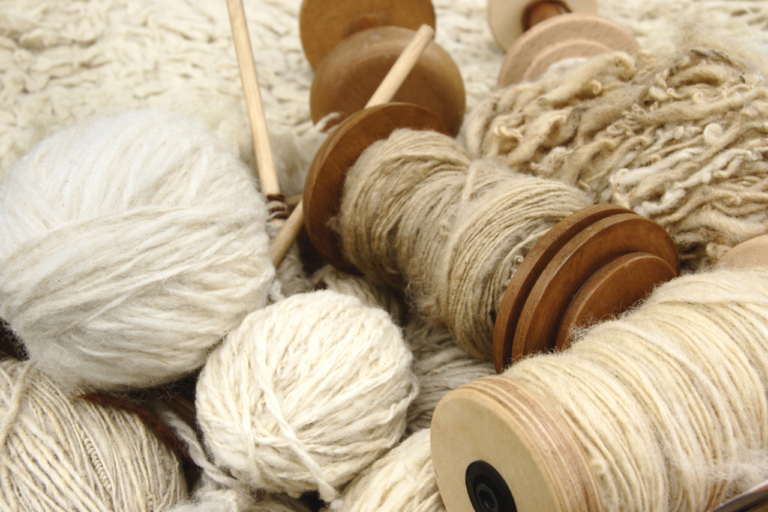
Yarn made from animal-derived wool fibres.
Challenges
Although natural fibres are derived from renewable resources, they are not automatically sustainable. Their environmental impact depends largely on how they are grown, produced and used.
Production can require large amounts of resources and affect the natural environment. The cultivation of cotton, for example, requires a great deal of water, and conventional farming often involves the use of chemicals in the form of pesticides and artificial fertilisers, which have a negative impact on ecosystems. Large-scale cultivation often takes the form of monoculture, which can deplete the soil and reduce biodiversity.
In addition to animal welfare concerns, the production of animal fibres also poses challenges related to land and water use, feed cultivation, and the use of chemicals in washing and processing.
Natural fibres in a sustainable transition
For natural fibres to be part of a more sustainable future for textiles, the entire life cycle must be taken into account, from cultivation and production to use and the end of the product’s life.
By adopting more resource-efficient cultivation methods, harnessing natural and ecological processes, and designing products for longevity and reuse, natural fibres can play a vital role in the transition towards a more circular textile industry.
Understanding where materials come from and how they impact the environment is a key part of making more informed choices.
Researchgate -Biodegradable and Compostable Fibres 
Science Direct – Natural Fibres
Good on you – Fabric Innovations in 2024
Fashion for Good – The Next Generation Materials from Waste
Science Direct – A sustainable approach to develop bio-functional textile
NLM – National Center for Biotechnology Information – Natural fibers in sustainable materials:
April 2026, TÄNKOM | Revised April 2026, RETHINK


