• Skip to main content
  • Skip to footer

re-think.nu

  • About
    • Film
    • About Us
    • We are ReThink
    • Blog
      • Categories
        • Textile production
        • Textile consumption
        • Textile Recycling
        • Biodiversity & Ecosystem
        • Natural Resources
        • The Earth Spheres
        • Water
        • Organic
        • Chemicals
        • ReThink – Think Again
    • Tips
    • Links & Sources
      • Links
      • Textile Sources
      • Small Animals Sources
      • Plant Sources
      • Fungi Sources
  • TEXTILES
    • Textile Knowledge
    • Textile Recycling
    • Textile Dictionary
    • Rethink Fabric – Series
    • Fact Sheets
  • BIODIVERSITY
    • Small Animals
      • Small Animals Knowledge
      • Small Animals Dictionary
      • Small Animals Series
      • Small Animals Films
    • Plants
      • Plant Knowledge
      • Plant Dictionary
      • Think About Plants – The Spruce Tale
      • Films About Plants
    • Fungi
      • Fungi Knowledge
      • Fungi Dictionary
      • Fungi Film
      • ReThink Fungi
    • Microorganisms
  • Earth
    • Earth’s Spheres
    • Ecosystem – Biosphere
    • Resource Extraction – Industry
    • Earth Dictionary
  • DICTIONARY
  • CONTACT
    • Press
    • Support Us
    • Become a Member
    • Privacy policy
    • Donations & sponsorship
    • Collaborations
      • SIDA
      • Nature Conservation Society
      • Fabric to Fabric
      • Keep Sweden Clean
      • University of Linköping
  • Swedish
  • Instagram
  • Facebook
  • Youtube
  • Linkedin

Animal Fibre

Cake piece illustration where one piece is about farming and husbandry. It's illustrating a lamb in front of another lamb

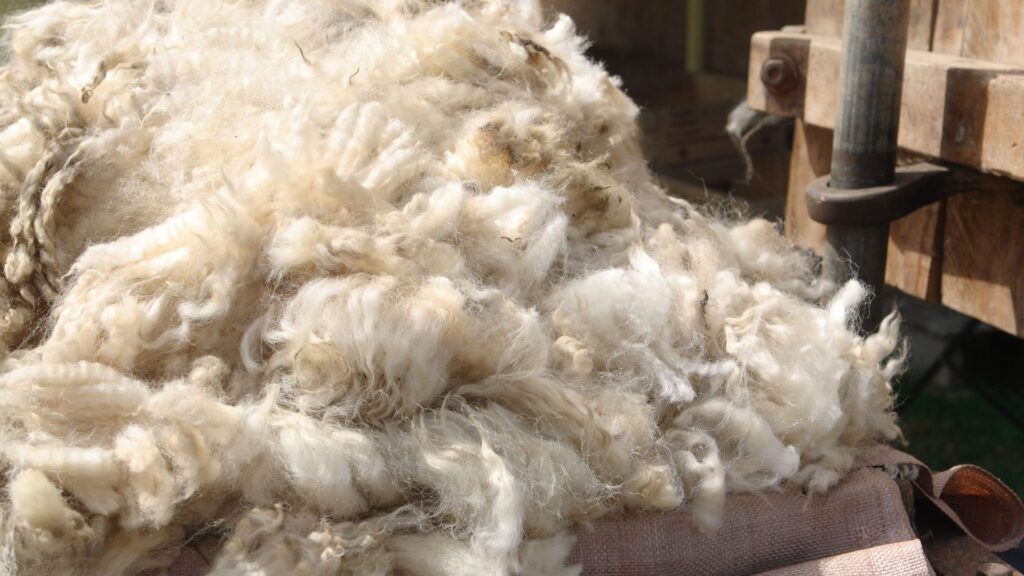
Animal fibers are textile fibers from the animal kingdom and are also called protein fibers due to their composition of amino acids. They are divided into two classes; hair fibers that come from all types of wool from mammal fur, and filament (secreted) fibers, i.e. silk, which silkworms secrete when spinning their cocoons.
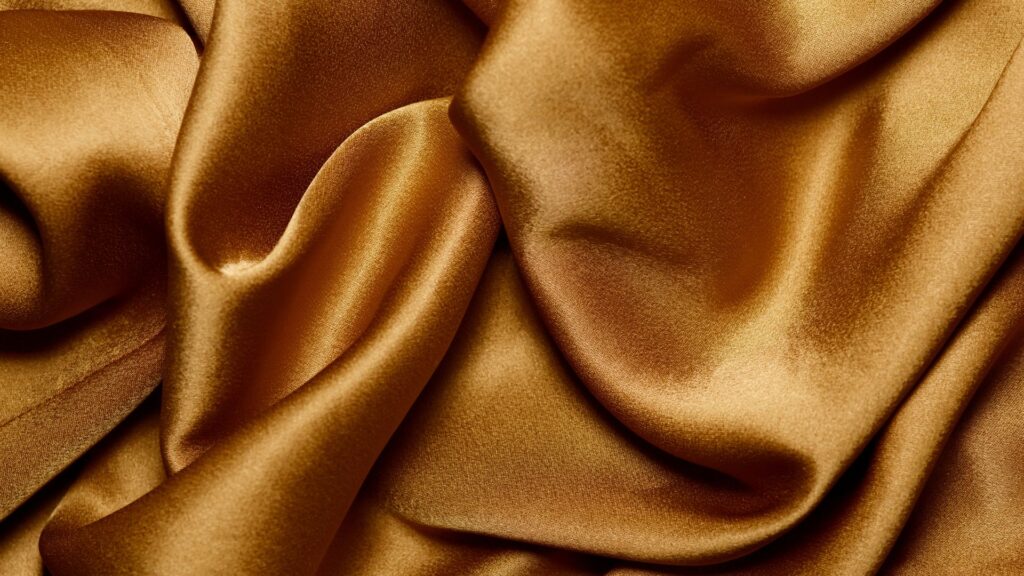
Silk fabric
Wool

Most animal fibres are hygroscopic, which means they easily absorb moisture from their surroundings, without the fibre feeling wet. The textile fibre retains moisture as a result of its amino acids forming hydrogen bonds with water molecules. As a result, this makes animal fibres particularly suitable for clothing for physical activities, as they can absorb sweat and keep the skin dry.

Many animal fibres, especially wool and mohair, are known for their strength and ability to return to their original shape after being wrinkled. They are also less flammable than plant fibres as they have a natural flame retardant. 

Different animal fibres and their origin

  • Wool comes mainly from cheeps, but could olso come from goats, camels and llamas.
  • Silk comes from silk worms.
  • Cashmere comes from the undercoat of the cashmere goat.
  • Alpaca comes from the alpaca animal.
  • Mohair comes from angora goats.
  • Angora comes from angora rabbits.

Sources

Science Direct – Animal Fibres 
Britannica – Specialty Hair Fibre 

June 2025 RETHINK | Updated September 2025

Footer

  • Blog
  • ABOUT
  • Global Goals
  • Collaborations
  • About Us
  • Press
  • Instagram
  • Facebook
  • Youtube
  • Linkedin

Partly financed by

© re-think.nu | 2026

Copyright © 2026 · Atmosphere Pro on Genesis Framework · WordPress · Log in