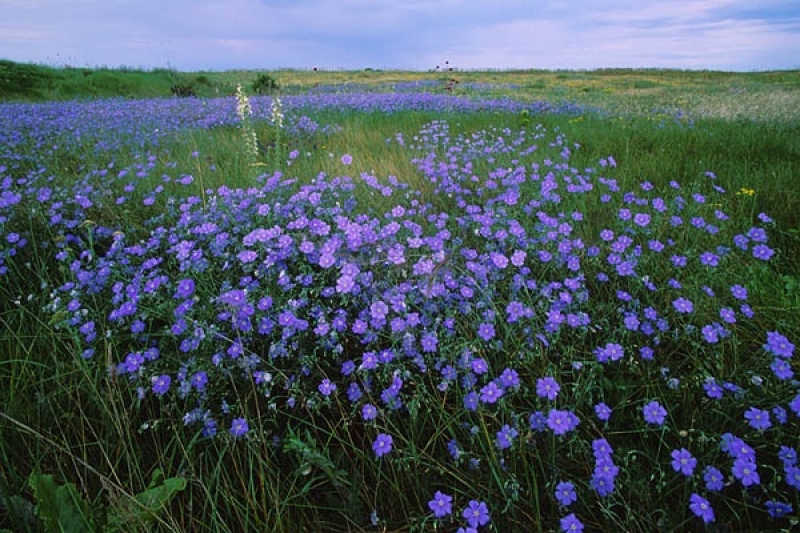
Plant fibres are natural fibres from the plant kingdom. Humans have been using plant fibres for thousands of years. The earliest known fibres include wild flax fibres from 34,000 years ago found in a cave in Georgia. Researchers also found bast fibres in the Czech Republic from around 32,000 years ago
Cotton, linen, hemp, bamboo and jute are some of the most common textiles made from plants.
All plant fibres are made from cellulose, which is one of nature’s most essential and common organic compounds. It is a polymer of long chains of glucose units and is the main component of plant cell walls. We can make textile fibres from different kinds of plants and several parts of the plant. Cotton is a seed fibre and comes from the seed pods of the cotton plant. Other textiles come from stems and stalks, such as jute, hemp and linen, which are called bast fibres, and from leaves such as sisal or fruits like coconut (coir).
All plant fibres are biodegradable in their natural state. But if the textiles are coated with chemicals or dyed with synthetic colours, it can slow down the degradation process and leave toxic residues in the environment. By using natural and organic methods in the making of the textiles, the textiles might function as a part of the organic cycle in nature. For instance, undyed linen can be broken down completely in as little as two weeks, and organic cotton, jute and hemp in a couple of months, depending on climate and soil conditions. Read more about the importance of cellulose and soil health here.
Textiles made from plant fibers all have different properties depending on their origin, but most of them are long, flexible and durable and are breathable by releasing moisture. They are often used for clothing in warm climates, as well as interior fabrics such as tablecloths, curtains, bedding, and pillows, as well as cordage such as ropes and cords.
Sources
Science.org – 30,000-Year-Old Wild Flax Fibers 
Fibershed.org – The Versatility of Plant-Based Fibers
Fibershed.org – Native Plants for Textiles
Britannica – List of Plant Fibres
Sciencedirect.com – Plant Fibres
Manteco – Biodegrabilty in fashion
June 2025 RETHINK


