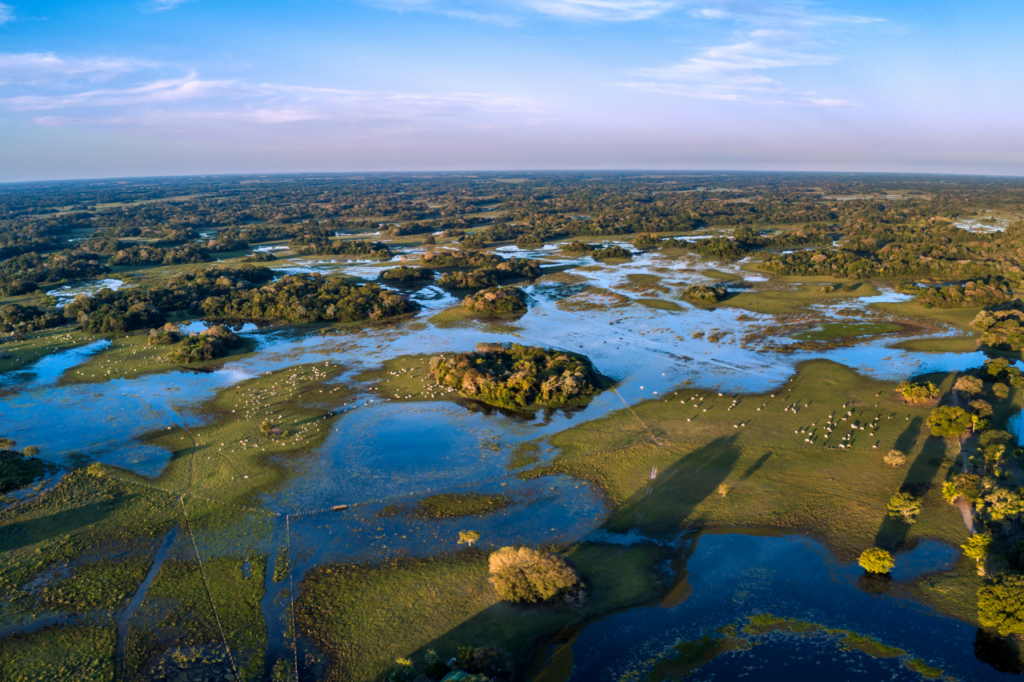
As 2024 is drawing to a close, one thing is clear; nature and biodiversity have taken centre stage in the international environmental debate.
For a long time, the climate issue has dominated the environmental debate. The focus has been on emissions, rising temperatures and the transition away from fossil fuels. Over the course of the year, however, another issue has attracted increasing attention – nature and biodiversity.
A growing number of people have begun to point out that the climate and environmental crises cannot be solved in isolation. Healthy forests, oceans, wetlands, soils and pollinators are not just habitats for plants and animals. They also form the basis of the ecosystems that provide us with food, clean water, raw materials and a more stable climate.
During the autumn, countries from around the world gathered in Colombia for the UN Conference on Biological Diversity (COP16). The aim was to discuss how to halt the loss of nature and how to put previous agreements into practice. At the same time, negotiations continued on a global plastics treaty, with the links between plastic pollution, biodiversity, ecosystems and human health becoming increasingly clear.
For Tänk Om/ReThink, this development feels both important and overdue. Ever since we started, we have wanted to highlight something that is often overlooked: the link between the resources we use and the ecosystems that provide them.
Behind every consumer product there are raw materials sourced from nature. Land is cultivated, water is used and ecosystems are affected. Whether it’s food, wood, plastic or textiles, it all starts with nature’s resources.
Over the course of the year, more people have also started asking questions that were rarely raised in the past.
- How much land does our consumption require?
- Which resources are limited?
- What happens when we use nature’s resources faster than they can be replaced?
- These are questions that seldom have simple answers, but which are becoming increasingly important to ask.
As we enter 2025, Tänk Om/ReThink hopes to continue providing knowledge about how biodiversity, ecosystems, and resource use are interconnected.
Sustainable development is not just about reducing our impact. It is also about understanding and safeguarding the natural systems that make life – and our consumption – possible.
Source
The Guardian – Cop16: Colombia prepares to host ‘decisive’ summit on biodiversity 


