• Skip to main content
  • Skip to footer

re-think.nu

  • About
    • Film
    • About Us
    • We are ReThink
    • Blog
      • Categories
        • Textile production
        • Textile consumption
        • Textile Recycling
        • Biodiversity & Ecosystem
        • Natural Resources
        • The Earth Spheres
        • Water
        • Organic
        • Chemicals
        • ReThink – Think Again
    • Tips
    • Links & Sources
      • Links
      • Textile Sources
      • Small Animals Sources
      • Plant Sources
      • Fungi Sources
  • TEXTILES
    • Textile Knowledge
    • Textile Recycling
    • Textile Dictionary
    • Rethink Fabric – Series
    • Fact Sheets
  • BIODIVERSITY
    • Small Animals
      • Small Animals Knowledge
      • Small Animals Dictionary
      • Small Animals Series
      • Small Animals Films
    • Plants
      • Plant Knowledge
      • Plant Dictionary
      • Think About Plants – The Spruce Tale
      • Films About Plants
    • Fungi
      • Fungi Knowledge
      • Fungi Dictionary
      • Fungi Film
      • ReThink Fungi
    • Microorganisms
  • Earth
    • Earth’s Spheres
    • Ecosystem – Biosphere
    • Resource Extraction – Industry
    • Earth Dictionary
  • DICTIONARY
  • CONTACT
    • Press
    • Support Us
    • Become a Member
    • Privacy policy
    • Donations & sponsorship
    • Collaborations
      • SIDA
      • Nature Conservation Society
      • Fabric to Fabric
      • Keep Sweden Clean
      • University of Linköping
  • Swedish
  • Instagram
  • Facebook
  • Youtube
  • Linkedin

Textile

Fur

Cake piece illustration where one piece is about farming and husbandry. It's illustrating a lamb in front of another lamb

Real fur comes from animals like sheep, reindeer, mink, foxes, and raccoon dogs. For these animals, fur provides protection and insulation, shielding the skin from minor injuries while reducing the risk of infection. In some species, fur also acts as …

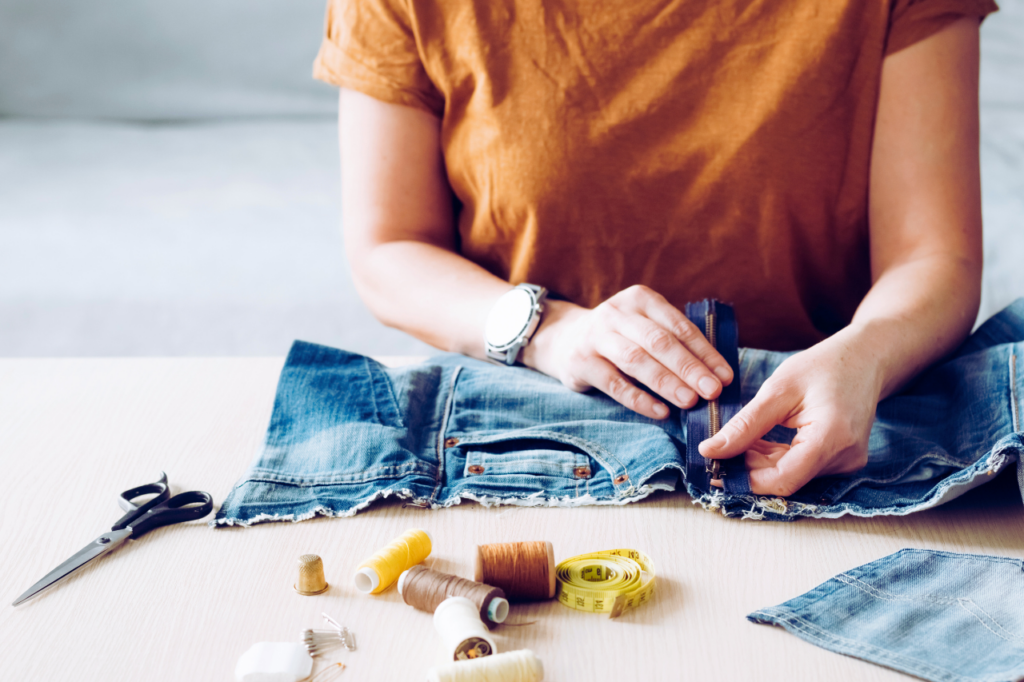
Fake Fur

Fake fur, or faux fur, is designed to resemble real fur from animals such as foxes, mink or rabbits. It is made from various synthetic materials, usually polyester, acrylic or nylon, which are processed and treated to mimic …

Slow Fashion

Slow fashion, also called sustainable fashion, is the opposite of fast fashion and involves reducing consumption. The term emerged as a counter-reaction to the fast fashion industry, inspired by the slow food movement’s focus on quality through good, clean, and …

Natural Fibre

Natural fibres are fibres that come directly from nature and can be spun into yarn and made into textiles without first having to be broken down or chemically processed. Humans have used them for thousands of years, and they remain …

OEKO-TEX

STANDARD 100 by OEKO-TEX—STANDARD 100 is an eco-label that ensures that textile products do not contain substances at levels hazardous to health. For a product to be labelled STANDARD 100, every component and every stage of production, from thread

…

RWS – Responsible Wool Standard

The Textile Exchange organisation owns the Responsible Wool Standard and focuses on sheep welfare and grazing land. RWS certifies all actors in the wool value chain, from wool farmers to yarn and textile producers and clothing brands. The certification for …

  • « Go to Previous Page
  • Go to page 1
  • Go to page 2
  • Go to page 3
  • Go to page 4
  • Go to page 5
  • Go to page 6
  • Interim pages omitted …
  • Go to page 16
  • Go to Next Page »

Footer

  • Blog
  • ABOUT
  • Global Goals
  • Collaborations
  • About Us
  • Press
  • Instagram
  • Facebook
  • Youtube
  • Linkedin

Partly financed by

© re-think.nu | 2026

Copyright © 2026 · Atmosphere Pro on Genesis Framework · WordPress · Log in