• Skip to main content
  • Skip to footer

re-think.nu

  • About
    • Film
    • About Us
    • We are ReThink
    • Blog
      • Categories
        • Textile production
        • Textile consumption
        • Textile Recycling
        • Biodiversity & Ecosystem
        • Natural Resources
        • The Earth Spheres
        • Water
        • Organic
        • Chemicals
        • ReThink – Think Again
    • Tips
    • Links & Sources
      • Links
      • Textile Sources
      • Small Animals Sources
      • Plant Sources
      • Fungi Sources
  • TEXTILES
    • Textile Knowledge
    • Textile Recycling
    • Textile Dictionary
    • Rethink Fabric – Series
    • Fact Sheets
  • BIODIVERSITY
    • Small Animals
      • Small Animals Knowledge
      • Small Animals Dictionary
      • Small Animals Series
      • Small Animals Films
    • Plants
      • Plant Knowledge
      • Plant Dictionary
      • Think About Plants – The Spruce Tale
      • Films About Plants
    • Fungi
      • Fungi Knowledge
      • Fungi Dictionary
      • Fungi Film
      • ReThink Fungi
    • Microorganisms
  • Earth
    • Earth’s Spheres
    • Ecosystem – Biosphere
    • Resource Extraction – Industry
    • Earth Dictionary
  • DICTIONARY
  • CONTACT
    • Press
    • Support Us
    • Become a Member
    • Privacy policy
    • Donations & sponsorship
    • Collaborations
      • SIDA
      • Nature Conservation Society
      • Fabric to Fabric
      • Keep Sweden Clean
      • University of Linköping
  • Swedish
  • Instagram
  • Facebook
  • Youtube
  • Linkedin

Cellulose


Cellulose is one of nature’s most essential and common organic compounds. It is a polymer of long chains of glucose units and is the main component of plant cell walls. Cellulose is found in the stems, leaves, and stalks of plants and trees. We also call textiles like cotton, linen, hemp, bamboo, jute, viscose, modal, and lyocell for cellulose fibres as they include cellulose.
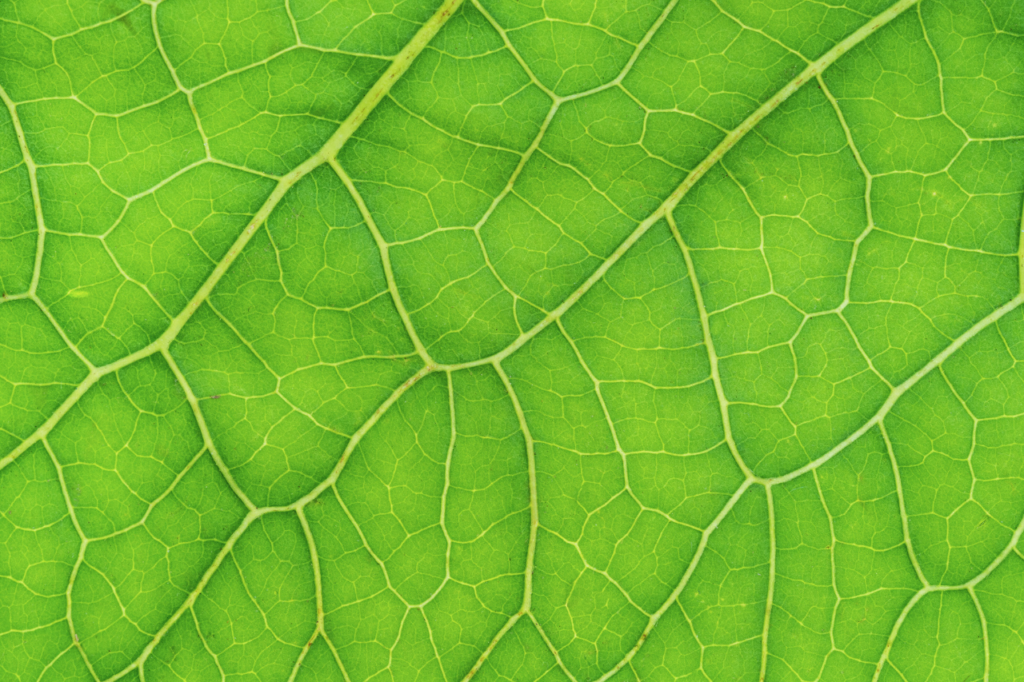
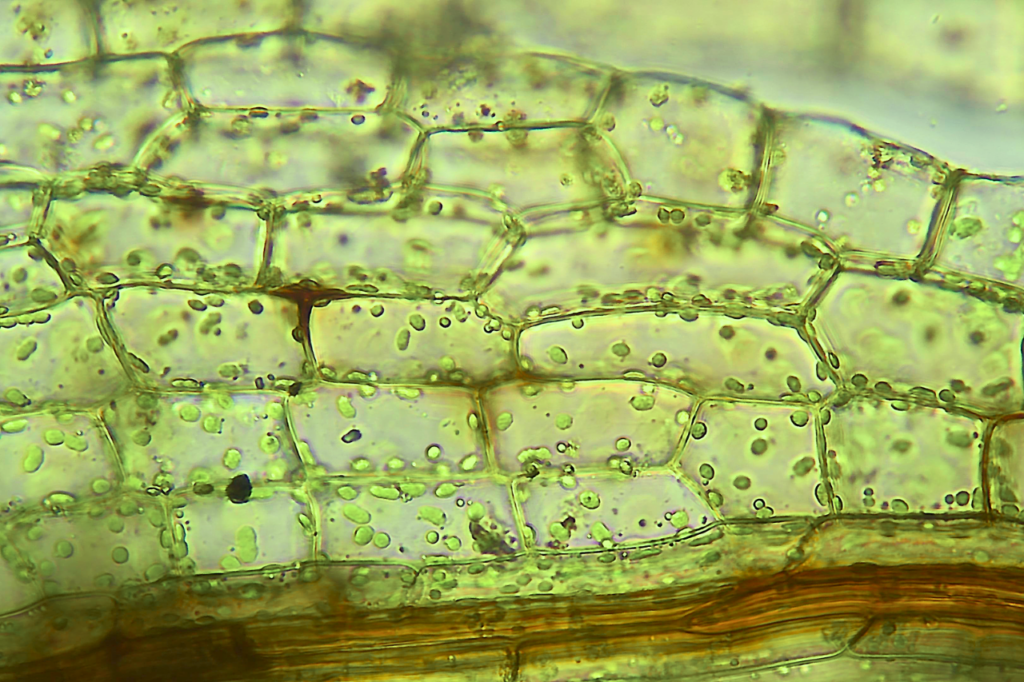
Cellulose is also biodegradable and an essential part of the organic cycle in nature. Cellulose is central to soil formation and is critical for soil health and structure. As plants grow, they absorb carbon dioxide from the atmosphere through photosynthesis and use it to create carbohydrates, including cellulose, in their cell walls. When the plants die and decompose naturally or through composting, cellulose forms organic matter in the soil. When decomposers and microorganisms break down cellulose, it releases nutrients such as carbon, nitrogen and phosphorus that are important for plant growth.
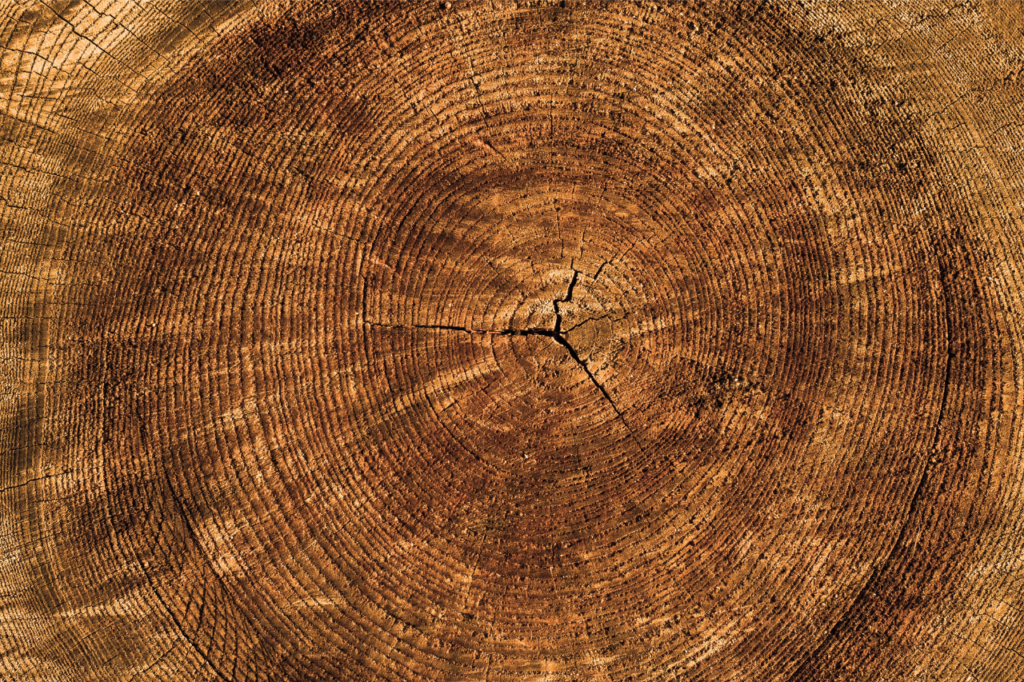
Cellulose helps to bind soil particles and retain moisture thanks to its absorptive capacity. At the same time, it makes the soil more porous, which allows the soil to drain and create air circulation. Plants with their root systems help prevent soil erosion, for example. Cellulose has various uses in industries such as paper, textiles and biofuels. For textiles, cellulose is a primary raw material for producing viscose, lyocell, cupro, acetate, and triacetate fibres.

Sources

Wikipedia – Cellulose Fiber  
Fashion Trendsetter – Fiber Dictionary  

December 2023, TÄNKOM | Revised May 2024 RETHINK

Footer

  • Blog
  • ABOUT
  • Global Goals
  • Collaborations
  • About Us
  • Press
  • Instagram
  • Facebook
  • Youtube
  • Linkedin

Partly financed by

© re-think.nu | 2026

Copyright © 2026 · Atmosphere Pro on Genesis Framework · WordPress · Log in