Biological diversity, or biodiversity, is the very foundation of life on Earth. It encompasses a variety of life forms, from plants and animals to fungi and micro-organisms, and all the genetic variations within each species.
This diversity creates the ecosystems in which these lives exist and interact. The more different species there are, the greater the biodiversity. And the greater the biodiversity, the more varied the life within the ecosystems.
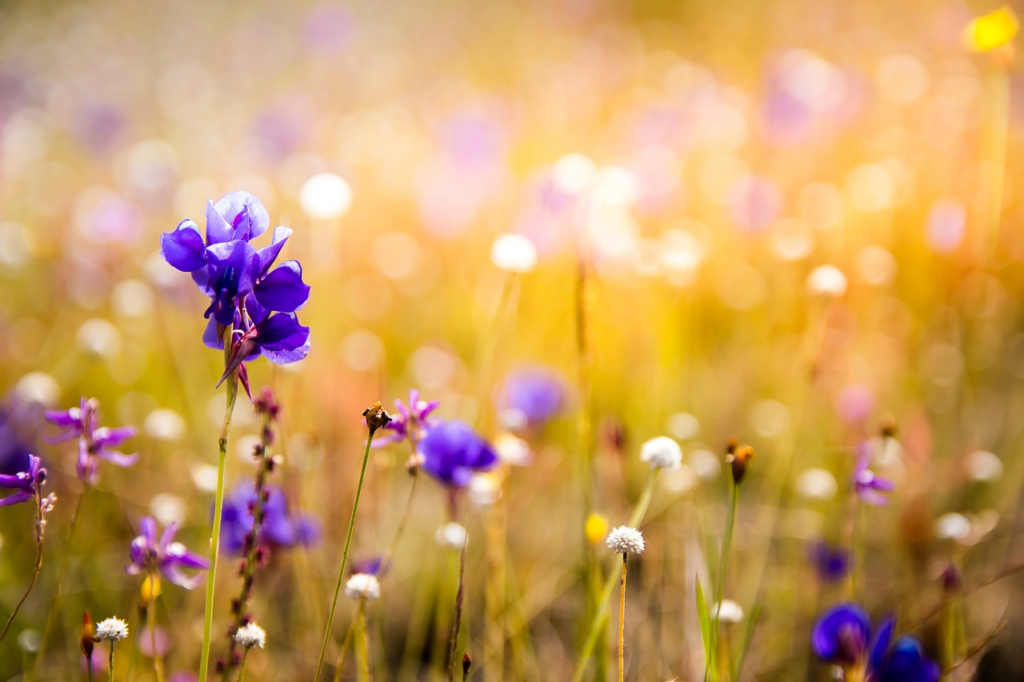
High biodiversity bolsters resilience, the backbone of an ecosystem’s ability to withstand and recover from adversity and disturbance. This resilience is crucial for the ecosystem to function over time, spreading risks and enhancing adaptability to new conditions. However, the ecosystem’s balance is at risk if a species disappears or declines. The ecosystem becomes vulnerable and easily disrupted, as its species depend on and influence each other through different food chains and webs.
Biodiversity is not just a concept, it’s a lifeline. It’s essential for ecosystem functions and services such as food supply, air and water purification processes, pollination, decomposition, climate regulation and medicines. In addition, nature and its diversity have a high value in terms of health, well-being, culture and science. It’s not just about preserving a variety of species, it’s about preserving our way of life.
Human activities, such as extinction, overexploitation of natural resources, monocultures, pollution, and climate change, threaten biodiversity. Understanding the intricate web of life and how our actions impact the environment is critical to preserving biodiversity and the future of life on Earth. Each of us has a role to play, making choices that contribute to the health and balance of our planet.
Sources
Britannica – Edward-O-Wilson – the biologist who coined the term “biodiversity” 
Naturalhistory.si.edu – What is Biodiversity?
Science – The biodiversity of species and their rates of extinction
Mars 2024, TÄNKOM | Revised April 2024 RETHINK


