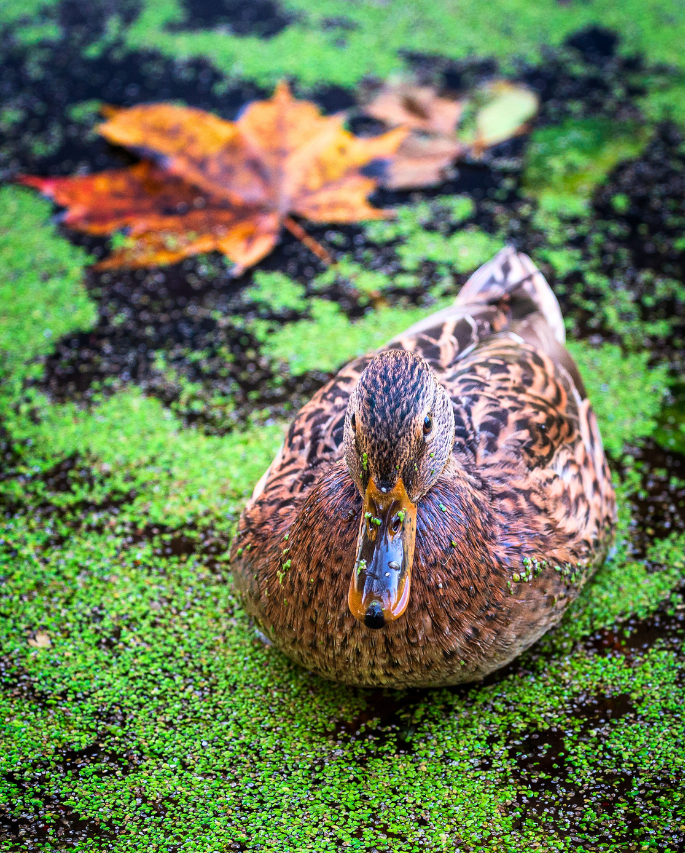
Vascular plants are the largest and most diverse group, or phylum, within the plant kingdom. These plants account for over 80 per cent of all living biomass on Earth. Most terrestrial animals, including humans, and fungi are directly or indirectly dependent on them for food, shelter or a substrate on which to grow. In addition, they form the mycorrhizal symbiosis with fungi, on which almost all these plants depend or from which they benefit to facilitate the uptake of water and nutrients.
Among vascular plants, we also find the origin of many textiles, including both plant fibres from agriculture – such as cotton, flax and hemp – and regenerated fibres from forestry, such as viscose and lyocell derived from, for example, bamboo, beech and pine.
A characteristic feature of vascular plants is that they have roots, stems and leaves containing vascular tissue that transports water and nutrients. There are three main groups:
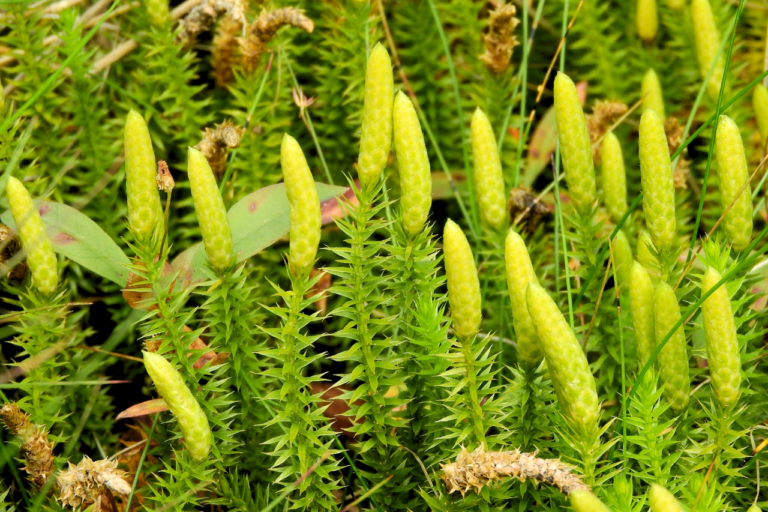
- Lycopods; small, spore-bearing plants dating back to prehistoric times.
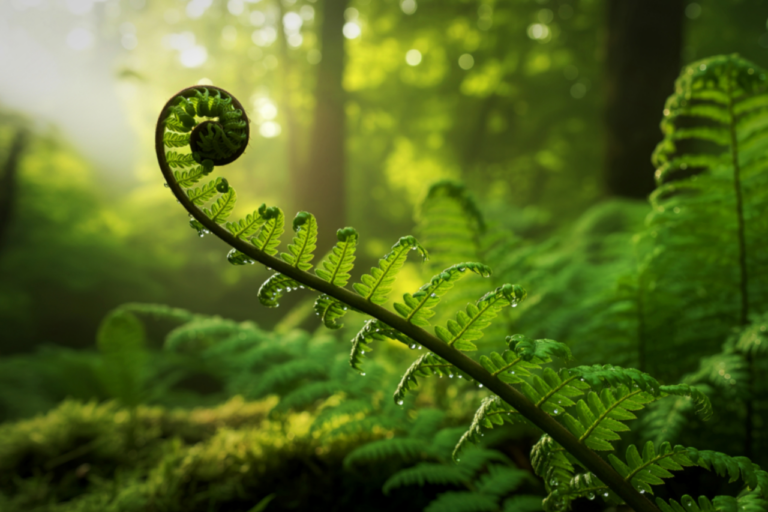
- Ferns; plants with leaves, roots and a stem that reproduce by spores.
- Seed plants; plants that reproduce by seed. These are in turn divided into:
- Gymnosperms; e.g. conifers such as pine and spruce.
- Flowering plants; plants that produce flowers, fruits and seeds.
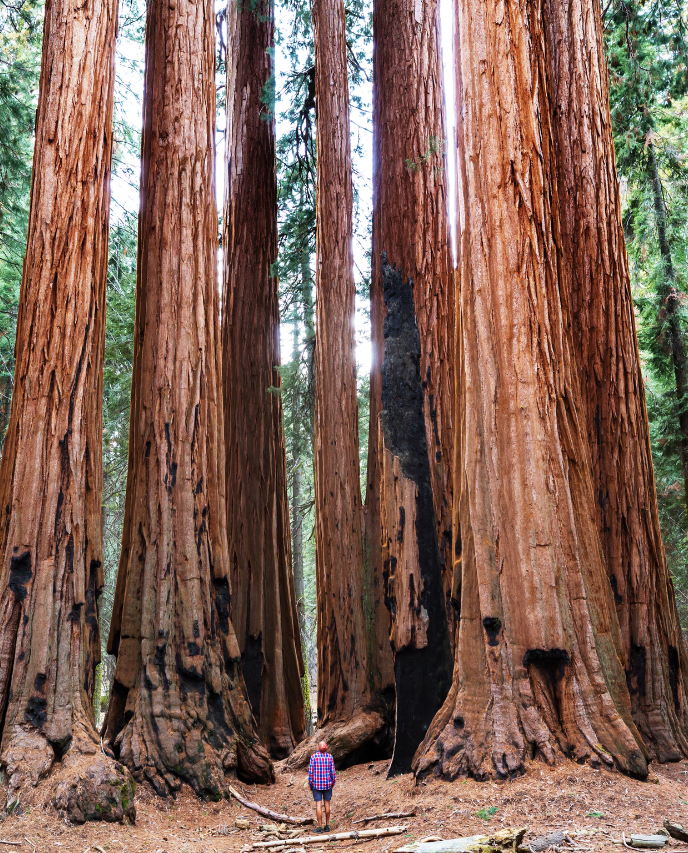
Vascular plants can look very different, ranging from the millimetre-sized aquatic plant duckweed to the mighty sequoia, the largest and tallest tree on Earth, which can grow to over a hundred metres in height. However, despite their differences, they are structured in much the same way. Most vascular plants have roots, stems or trunks, leaves and seeds. Flowering plants, which make up the majority of all vascular plants, also have flowers, as the name suggests. Each part has its own specific role in the plant’s life cycle.
Roots anchor the plant in the ground and absorb water and nutrients. In addition, they store energy in the form of starch, which the plant can use later, for example during the winter or in times of drought. This is where mycorrhiza, the important symbiotic relationship between roots and fungi, takes place. A symbiotic relationship in which the fungus’s hyphae grow together with the plant’s roots, helping it to access water and nutrients, and in return receiving sugars produced by the plant’s photosynthesis.
Stem acts as the plant’s transport system. It carries water and minerals up to the leaves and transports sugars and energy back down to the rest of the plant. At the same time, it supports the plant, enabling the leaves to capture sunlight. Inside the stem, there are two types of vascular tissue: xylem and phloem.
- The xylem consists of dead, hollow cells that form tubes. This is where water and minerals are transported from the roots up to the leaves; it is this tissue that forms the wood in trees and shrubs.
- The phloem consists of living cells and is sometimes referred to as sieve tissue. This is where sugars, amino acids and other organic substances flow to and from the leaves. In spring, starch is transported from the roots to the leaves and converted into sugar. In autumn, the flow of sugar goes in the opposite direction and is stored once again in the roots as starch.
Leaves are the plant’s powerhouses. This is where photosynthesis takes place: sunlight is captured, and carbon dioxide and water are converted into glucose and oxygen. On the underside of the leaves are small openings, known as the stomata, which regulate how much carbon dioxide is taken in and how much water vapour is released.
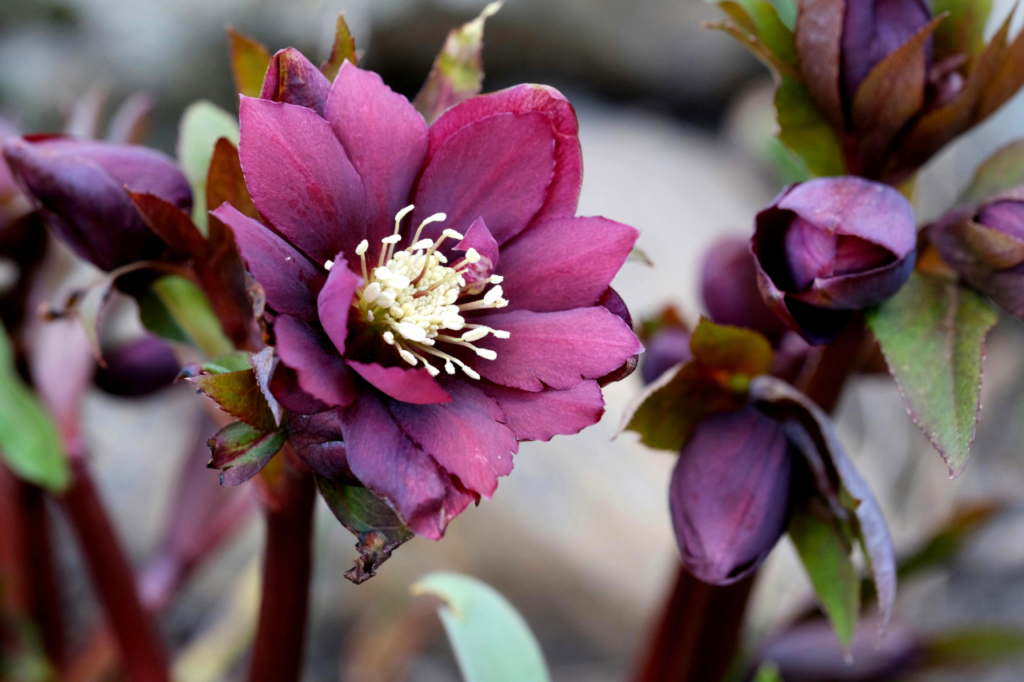
Flowers are the plant’s way of creating new life. They usually consist of petals, stamens, and a pistil. Using bright colours or scents, they attract insects and other pollinators that help to spread pollen. When pollen is transferred from the stamen to the pistil, pollination takes place. Seeds are then formed, which can germinate and grow into new plants.
Sources
Artdatabanken – Vascular plants – the basis for all land life 
Britannica – Plant-Gymnosperm
ReThink – Plant Knowledge
April 2026, TÄNKOM | Revised July, 2026 RETHINK


