• Skip to main content
  • Skip to footer

re-think.nu

  • About
    • Film
    • About Us
    • We are ReThink
    • Blog
      • Categories
        • Textile production
        • Textile consumption
        • Textile Recycling
        • Biodiversity & Ecosystem
        • Natural Resources
        • The Earth Spheres
        • Water
        • Organic
        • Chemicals
        • ReThink – Think Again
    • Tips
    • Links & Sources
      • Links
      • Textile Sources
      • Small Animals Sources
      • Plant Sources
      • Fungi Sources
  • TEXTILES
    • Textile Knowledge
    • Textile Recycling
    • Textile Dictionary
    • Rethink Fabric – Series
    • Fact Sheets
  • BIODIVERSITY
    • Small Animals
      • Small Animals Knowledge
      • Small Animals Dictionary
      • Small Animals Series
      • Small Animals Films
    • Plants
      • Plant Knowledge
      • Plant Dictionary
      • Think About Plants – The Spruce Tale
      • Films About Plants
    • Fungi
      • Fungi Knowledge
      • Fungi Dictionary
      • Fungi Film
      • ReThink Fungi
    • Microorganisms
  • Earth
    • Earth’s Spheres
    • Ecosystem – Biosphere
    • Resource Extraction – Industry
    • Earth Dictionary
  • DICTIONARY
  • CONTACT
    • Press
    • Support Us
    • Become a Member
    • Privacy policy
    • Donations & sponsorship
    • Collaborations
      • SIDA
      • Nature Conservation Society
      • Fabric to Fabric
      • Keep Sweden Clean
      • University of Linköping
  • Swedish
  • Instagram
  • Facebook
  • Youtube
  • Linkedin

Fungal Restoration

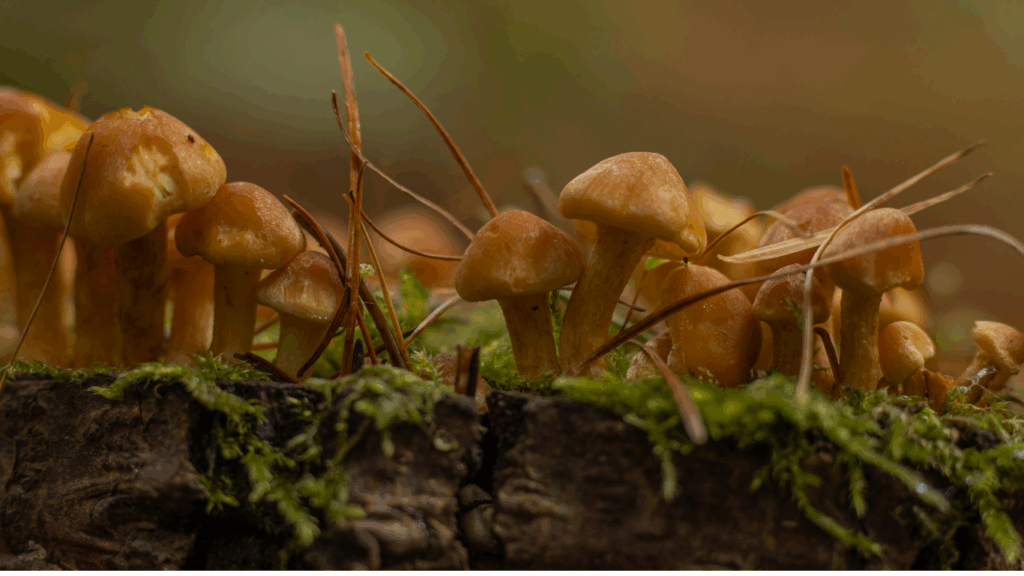
Fungi provide many ecosystem services from which all living organisms can benefit. Mycorrhizal fungi are key drivers in vegetation succession, as they deliver the essential nutrients a plant needs. They can help plants absorb water and nutrients, increase drought tolerance, and even help plants withstand heavy metal toxicity.
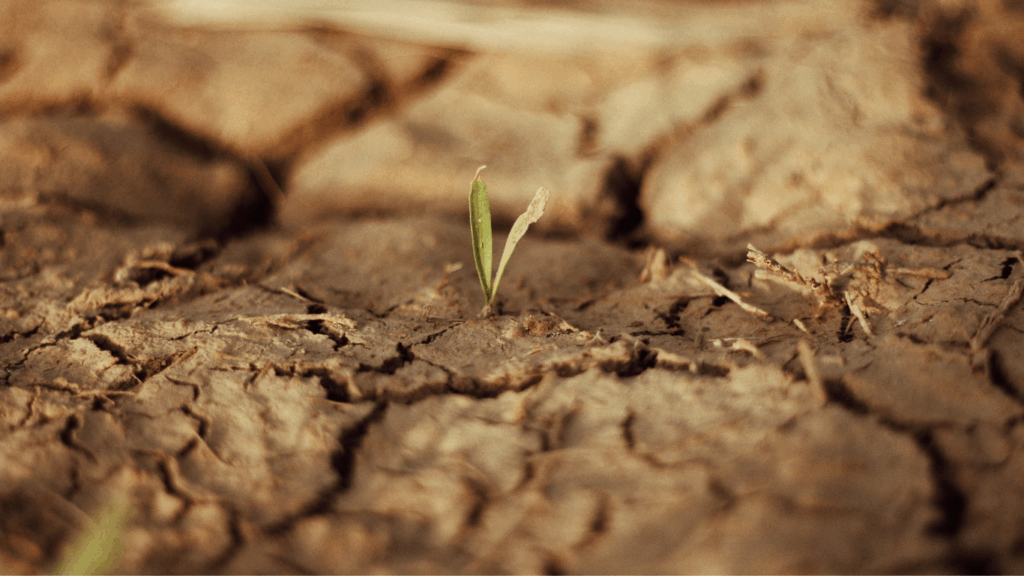
Fungal restoration(also called soil microbe restoration) is a principle of restoration ecology aimed at restoring the soil as we see the result of biodiversity loss and soil degradation. The fungal restoration can take many forms, but first of all, the goal is to protect and conserve the fungal population and threatened species. An additional benefit is supporting the numerous ecosystem services that fungi provide. 

With the mycorrhizal fungus ability to regulate weather and their adaptive mechanisms, they serve as keystone organisms in dynamic environments. They can restore, rejuvenate, and heal ecosystems by accelerating tree growth, helping with reforestation, and even acting as a natural firebreak by retaining moisture in the soil. 

Sources:

Mongabay.com – Mycoremediation brings the fungi to waste disposal-ecosystem estoration
Rewilding.Academy – Fungi Restoring Ecosystems

May 2025 RETHINK

Footer

  • Blog
  • ABOUT
  • Global Goals
  • Collaborations
  • About Us
  • Press
  • Instagram
  • Facebook
  • Youtube
  • Linkedin

Partly financed by

© re-think.nu | 2025

Copyright © 2025 · Atmosphere Pro on Genesis Framework · WordPress · Log in